
HUNTINGTON, NY – May 18, 2026
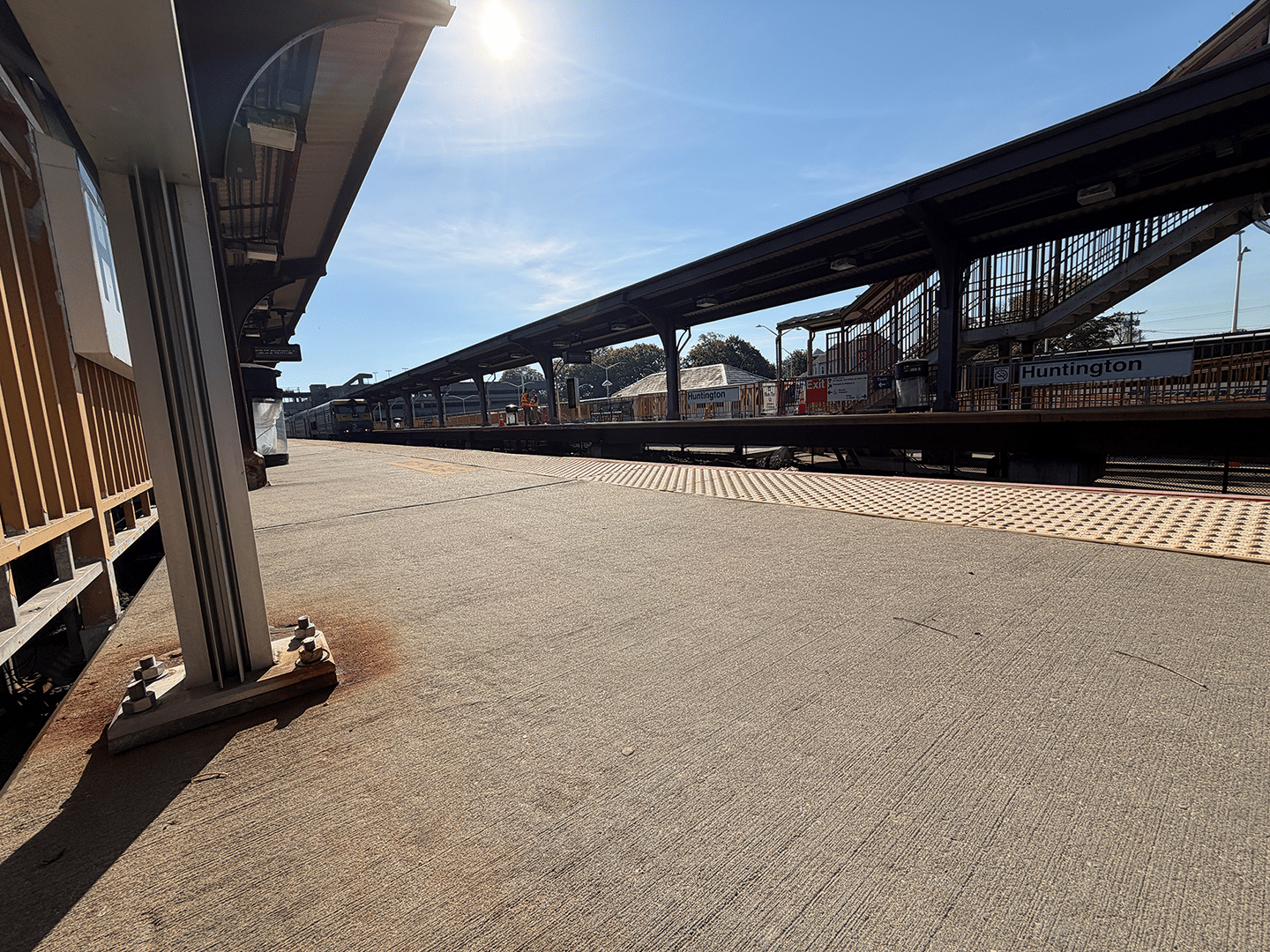
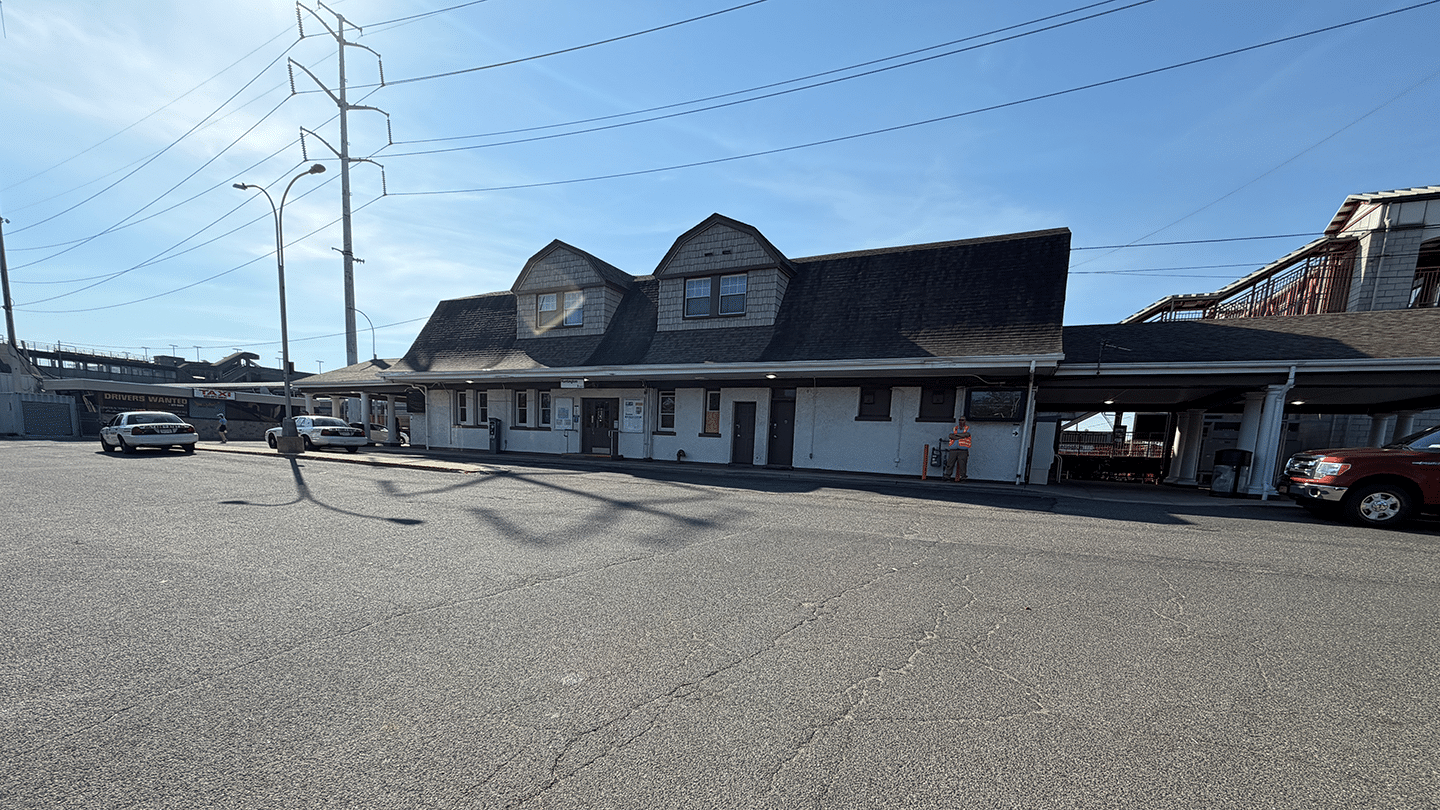
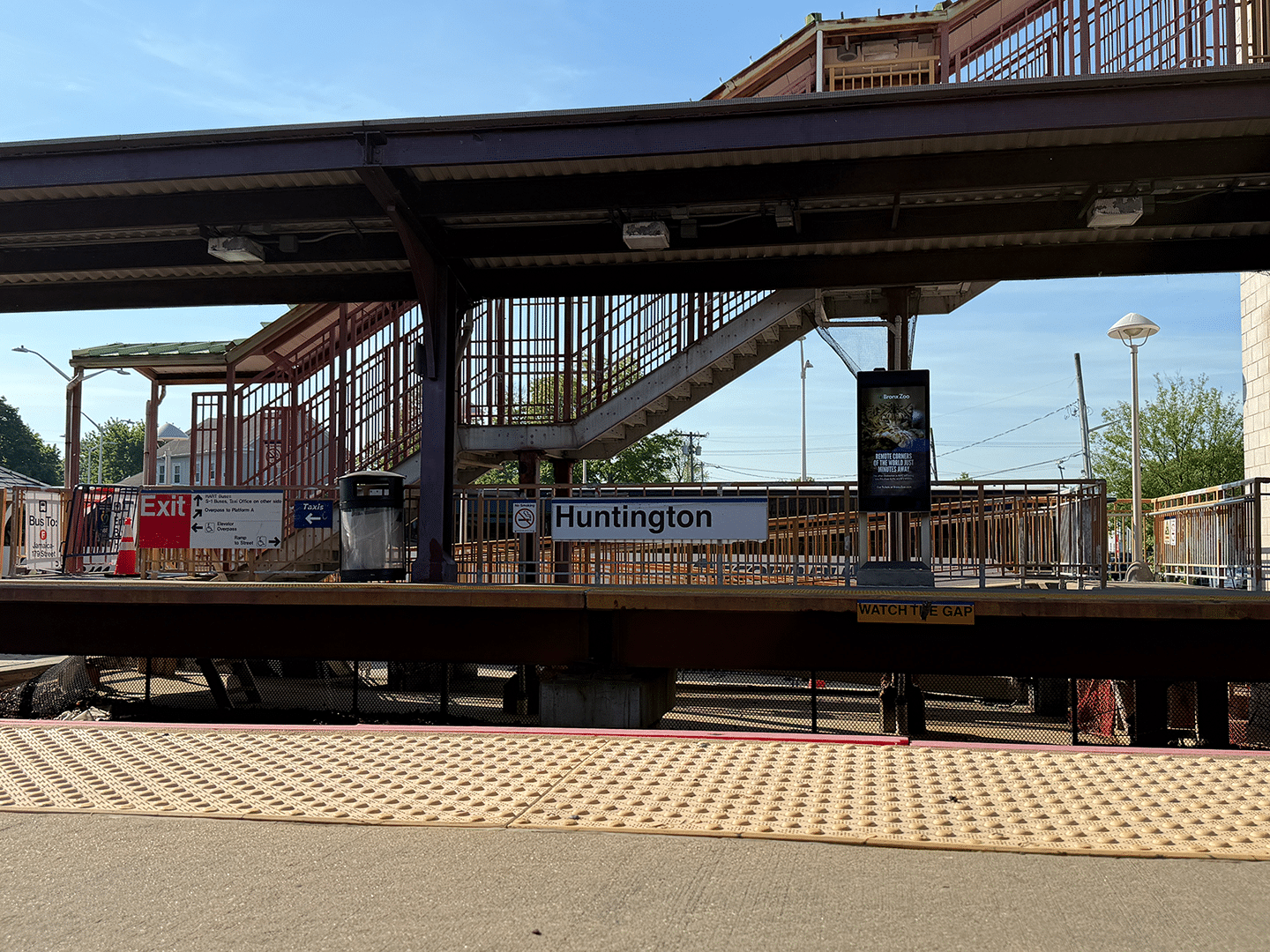
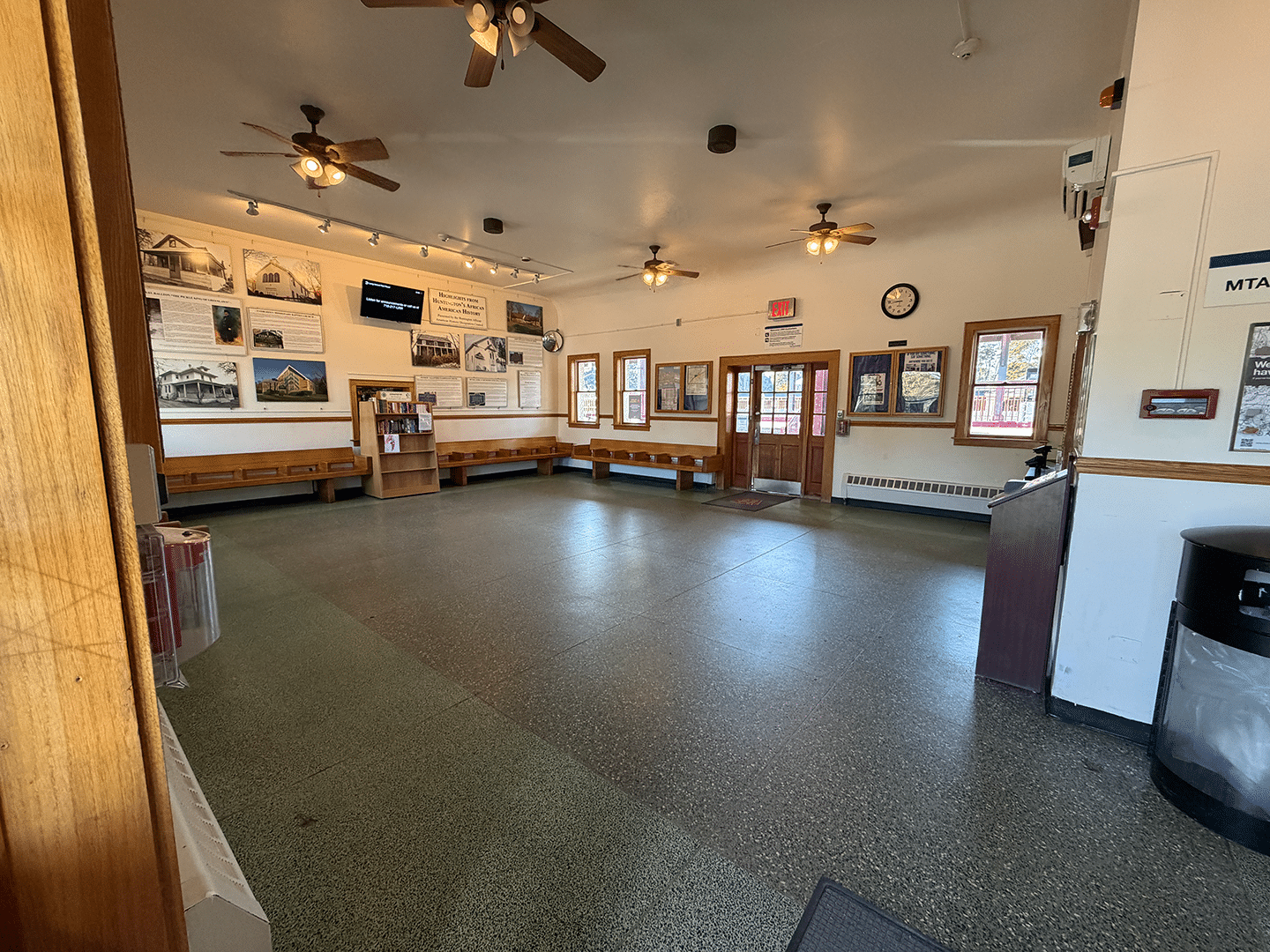
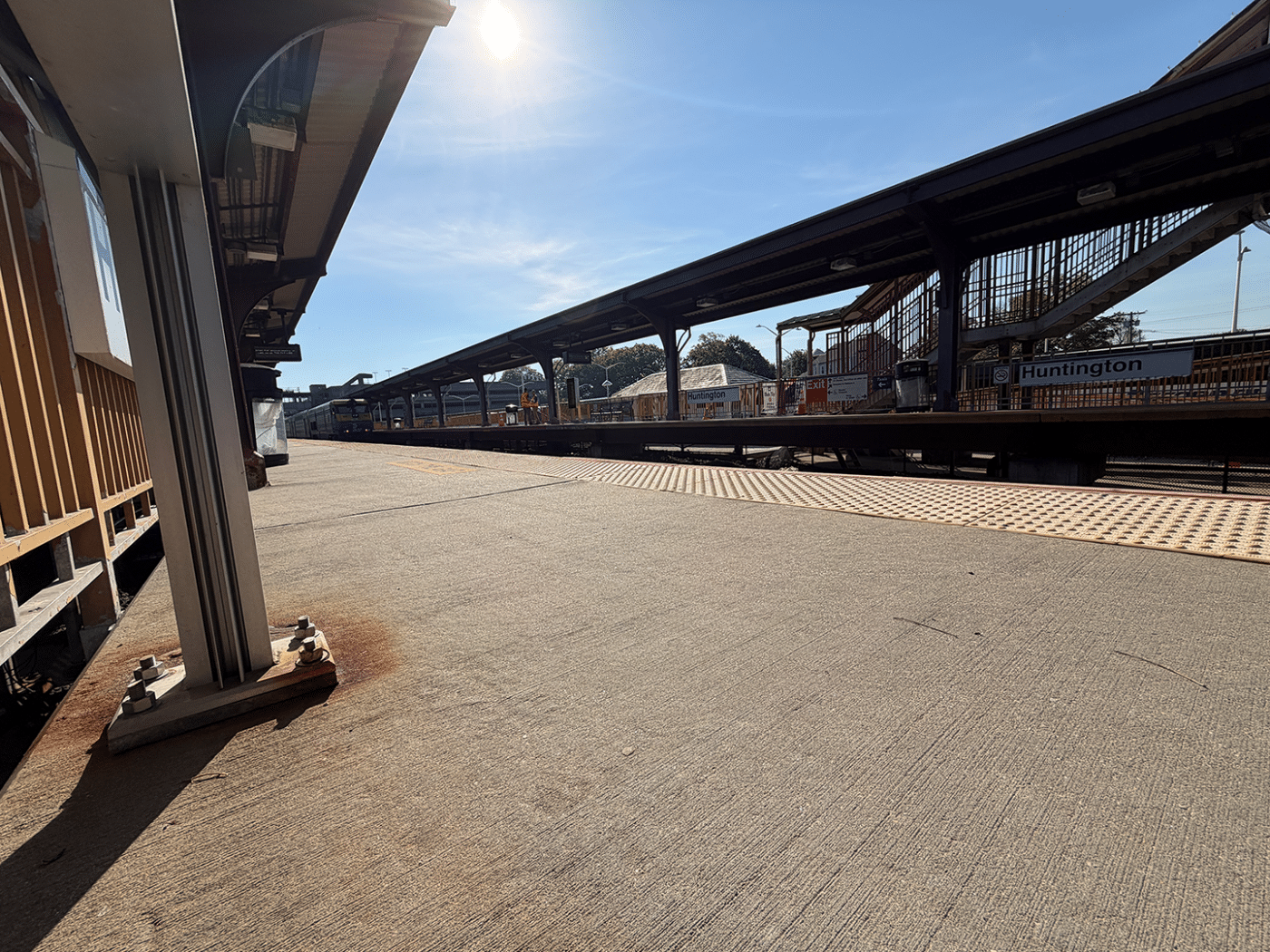
For many commuters, the normally busy platforms at the Huntington LIRR Station looked almost unrecognizable this week as the MTA strike brought train service to a halt.
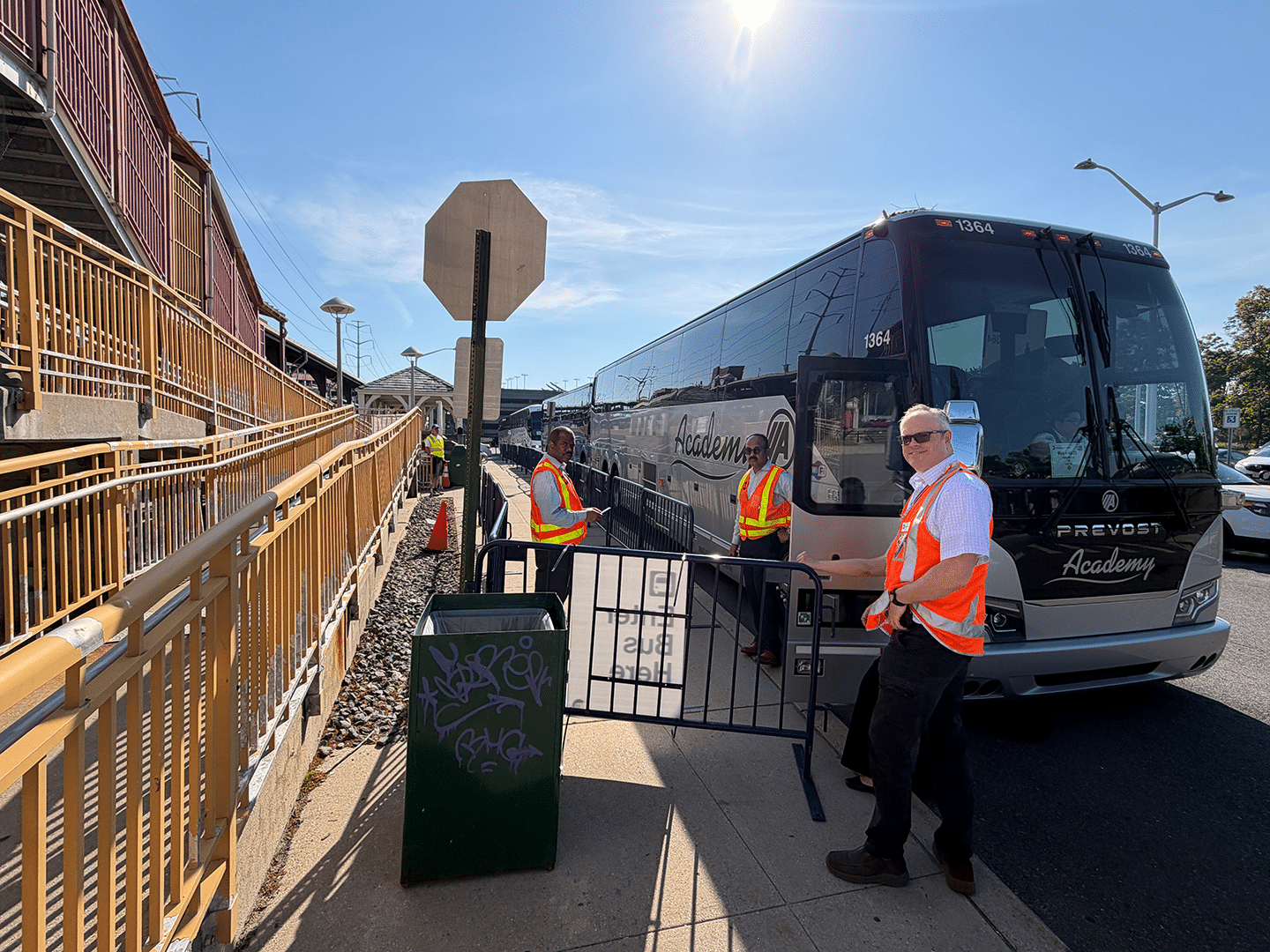
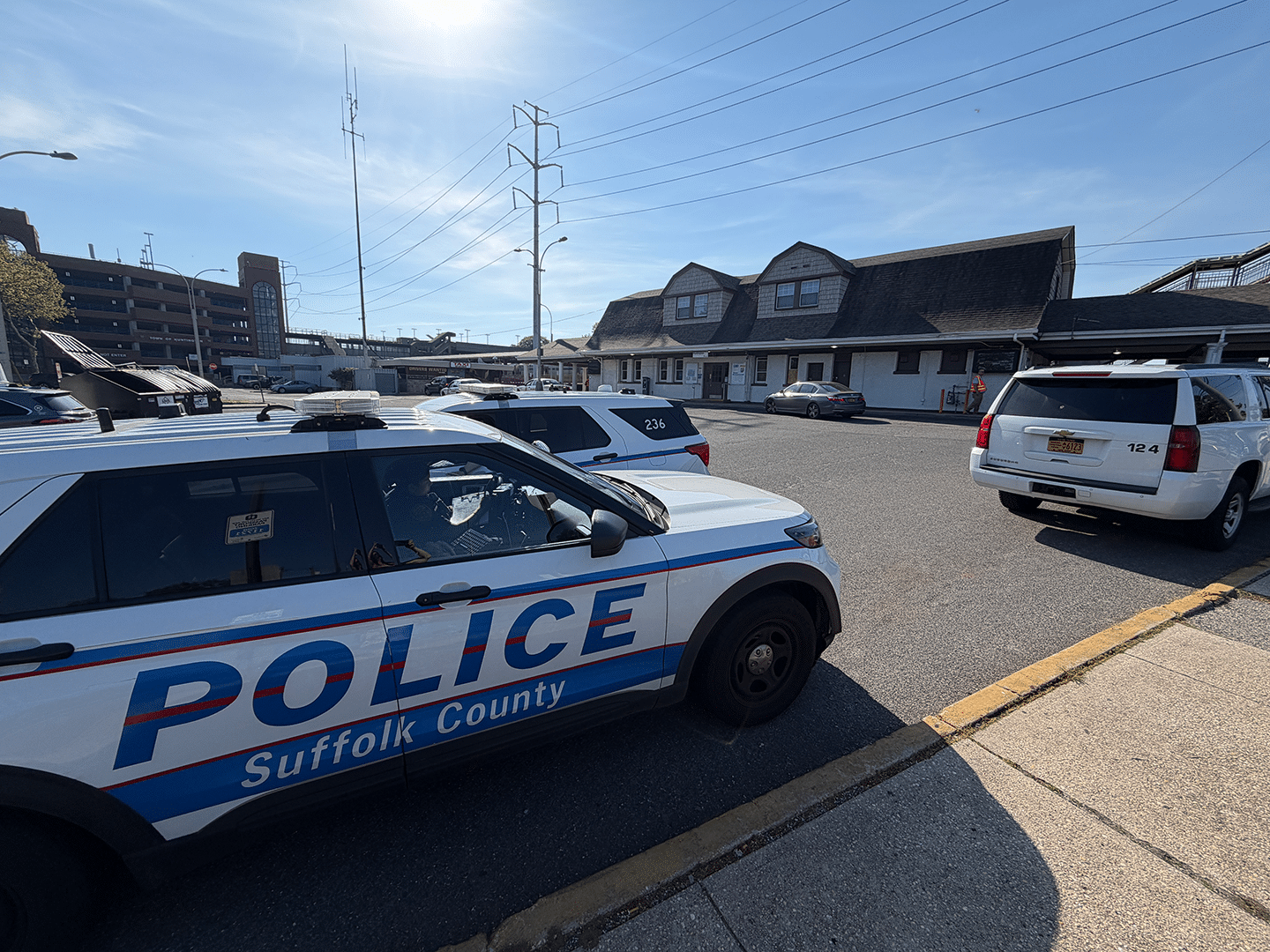
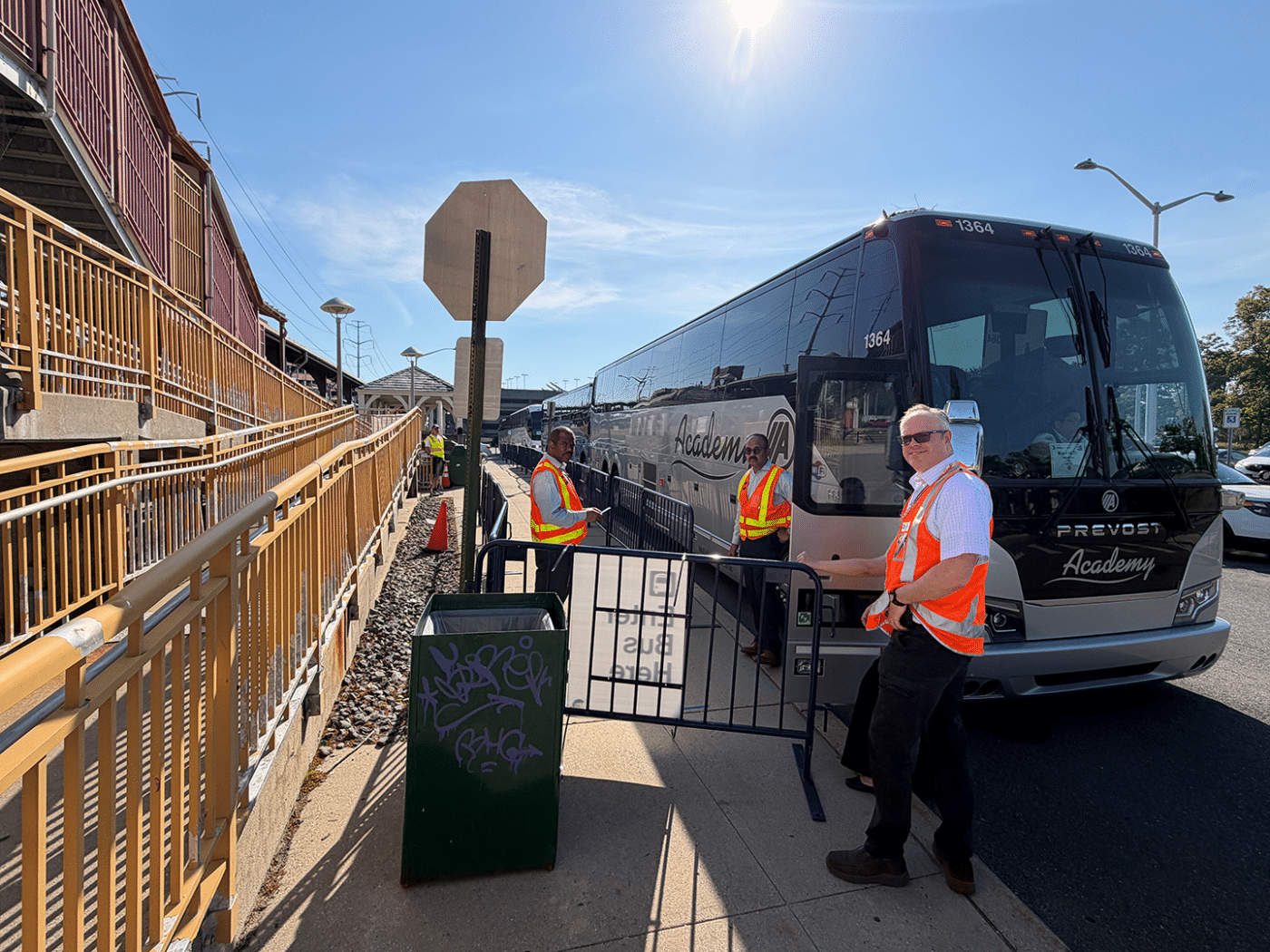
The station, usually packed with riders rushing to Manhattan and points east, was eerily quiet. Even the replacement buses appeared lightly used throughout the morning.
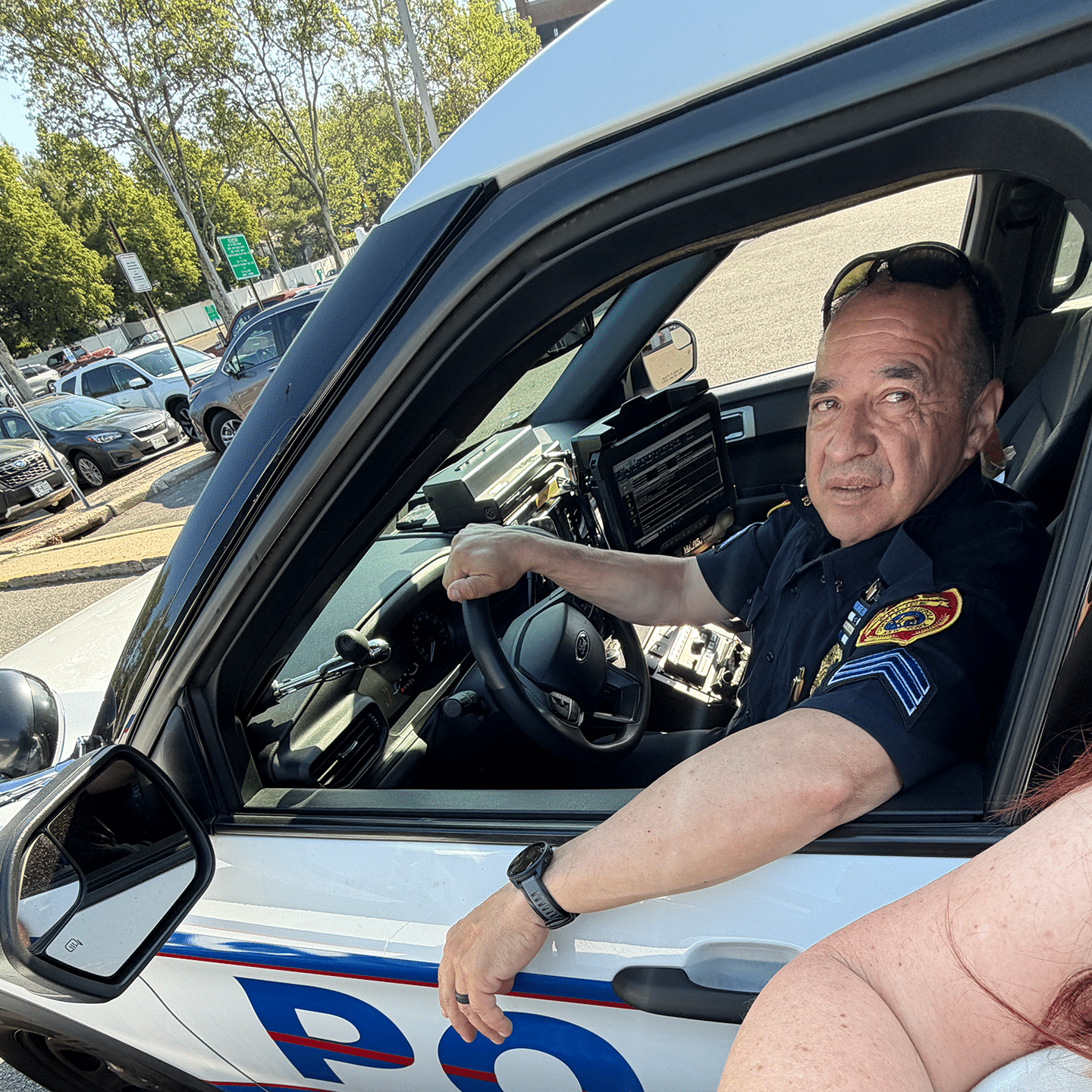
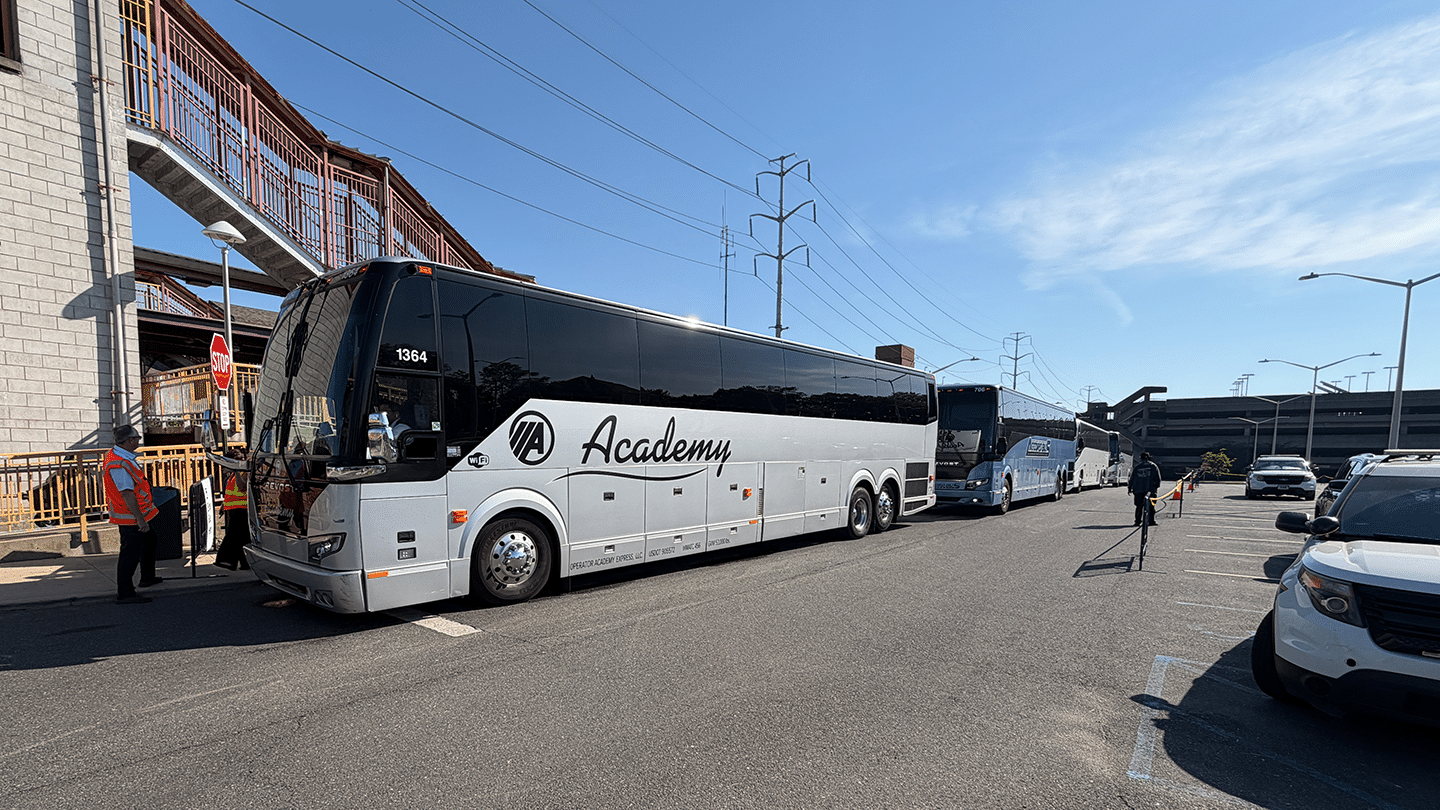
According to Suffolk County Police Department Second Precinct Officer Oakley, he had “never seen the Huntington LIRR station this inactive.” He noted that even the buses replacing train service were “barely used,” with many leaving only half full during peak commuting hours.
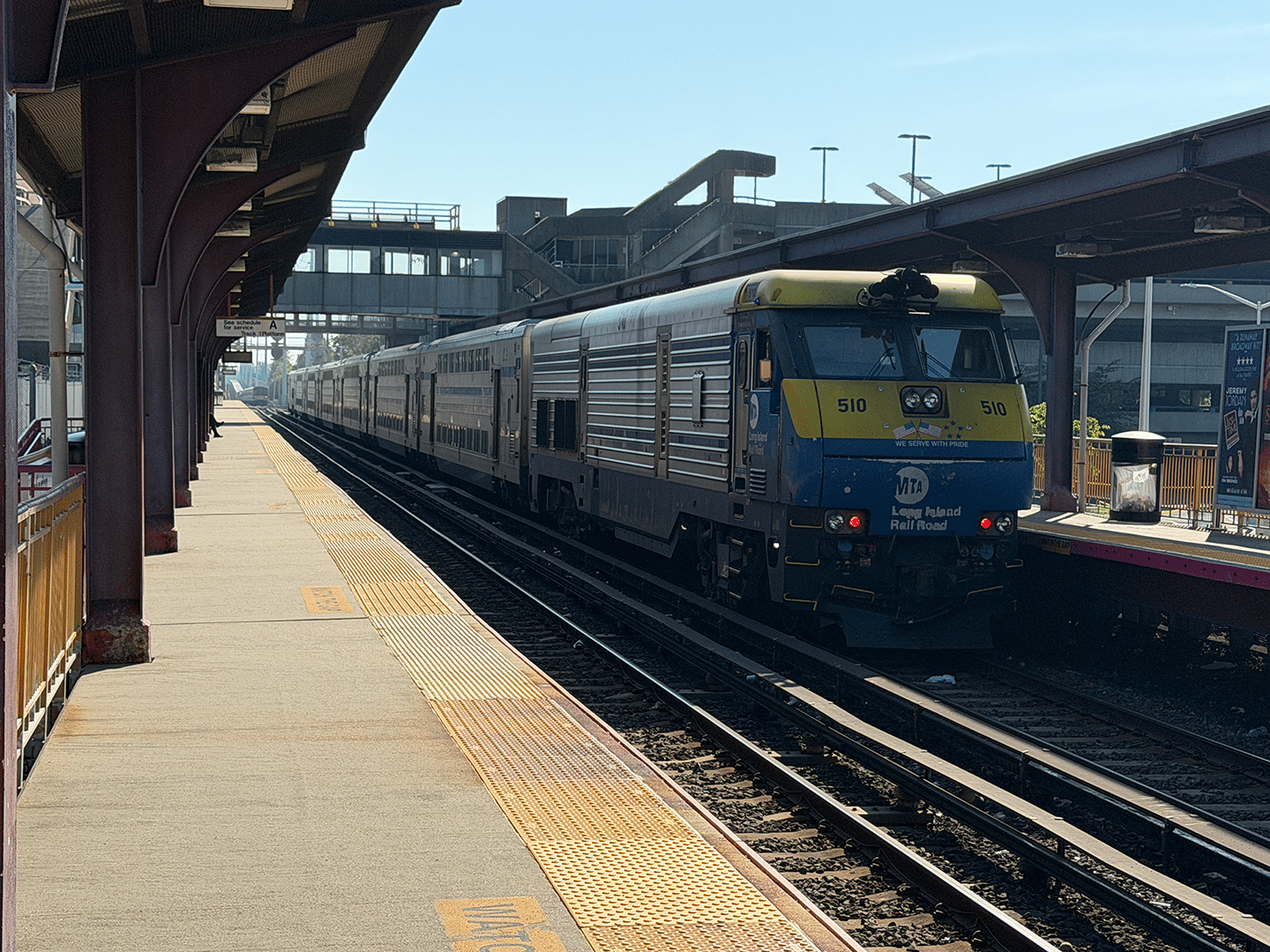
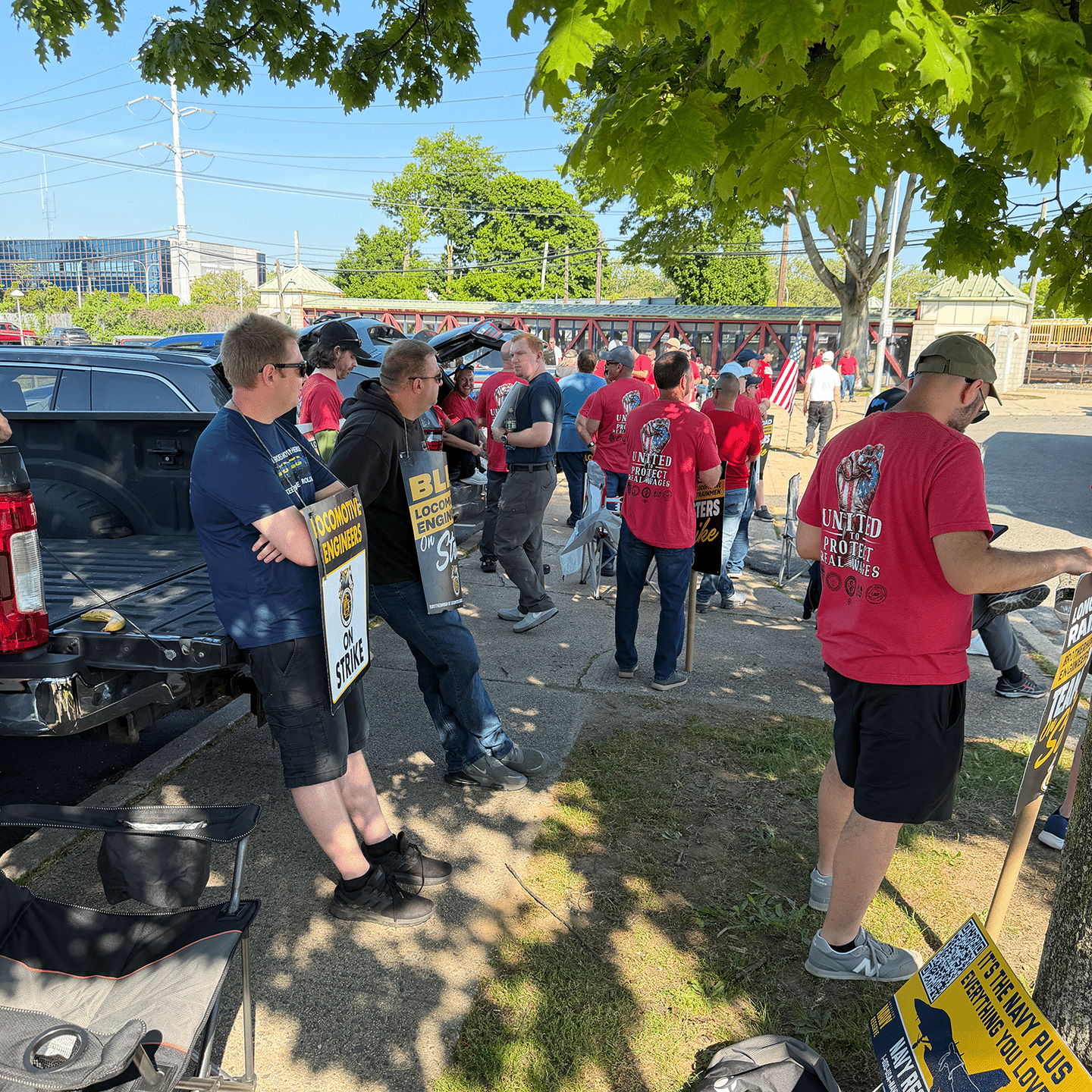
A train sat idle on the tracks while a handful of MTA employees directed confused passengers to buses waiting on the south side of the station. Four MTA workers remained on the north side helping with traffic and answering questions from arriving commuters. More workers assisting with south side buses said they had been there since 4 a.m.
Those employees, however, were not part of the unions participating in the strike.
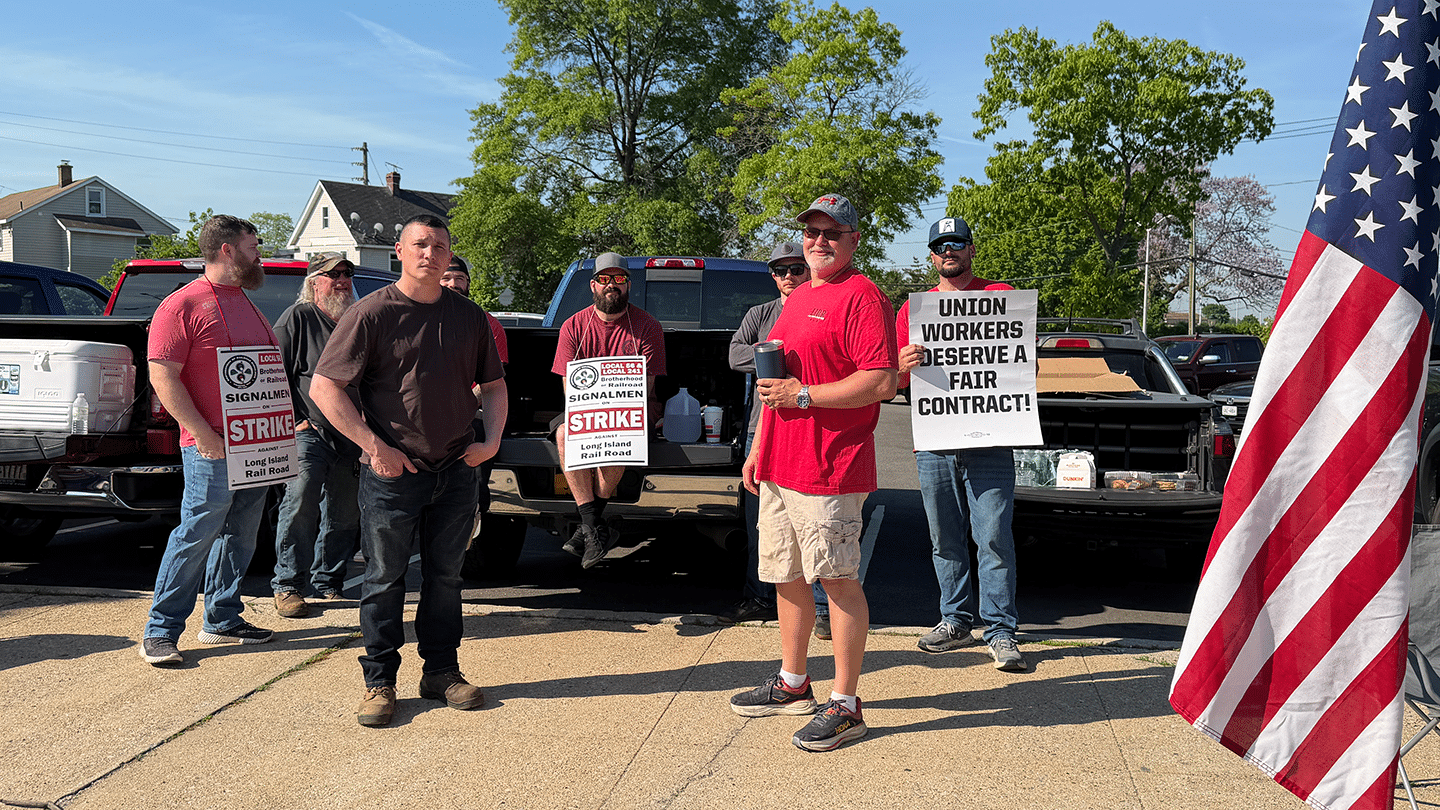
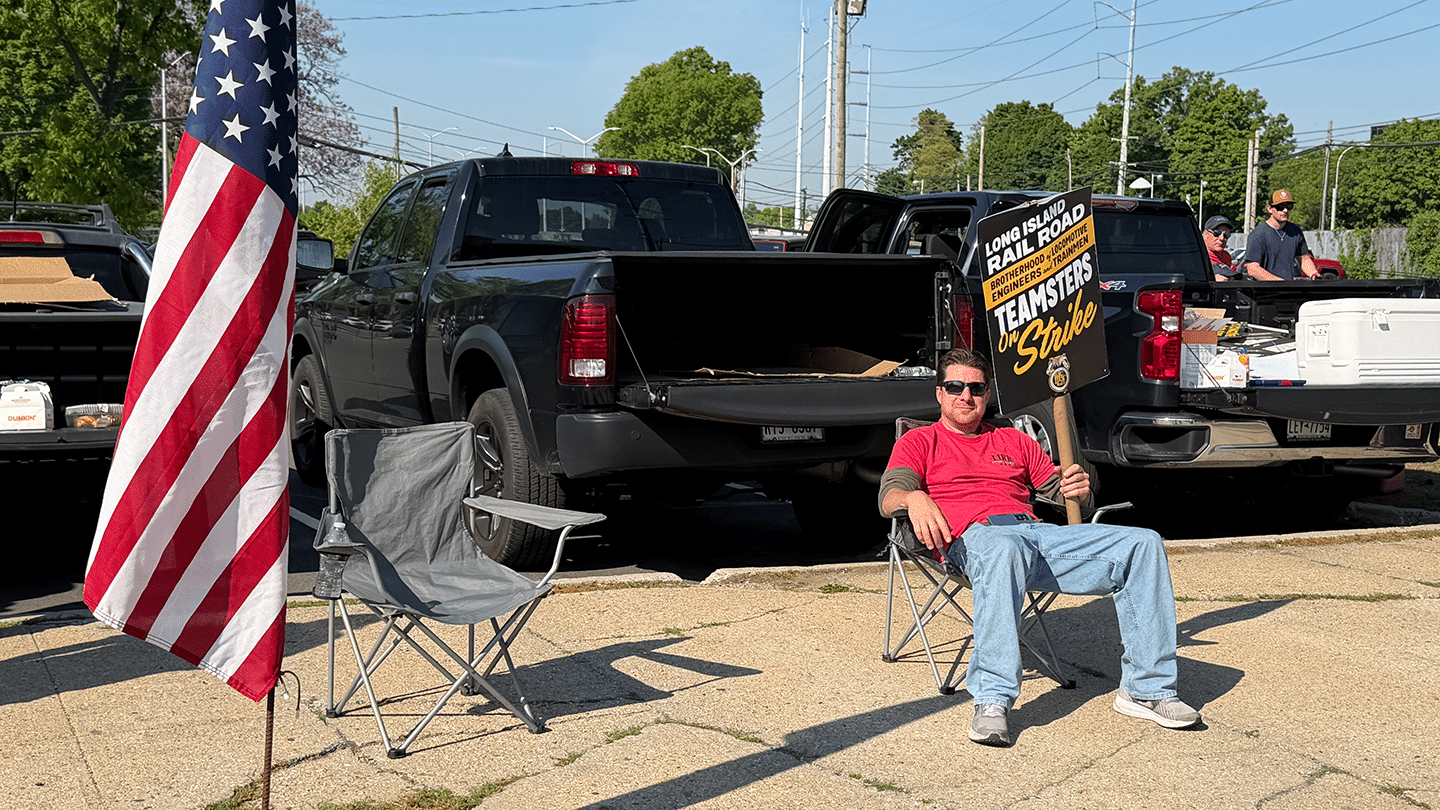
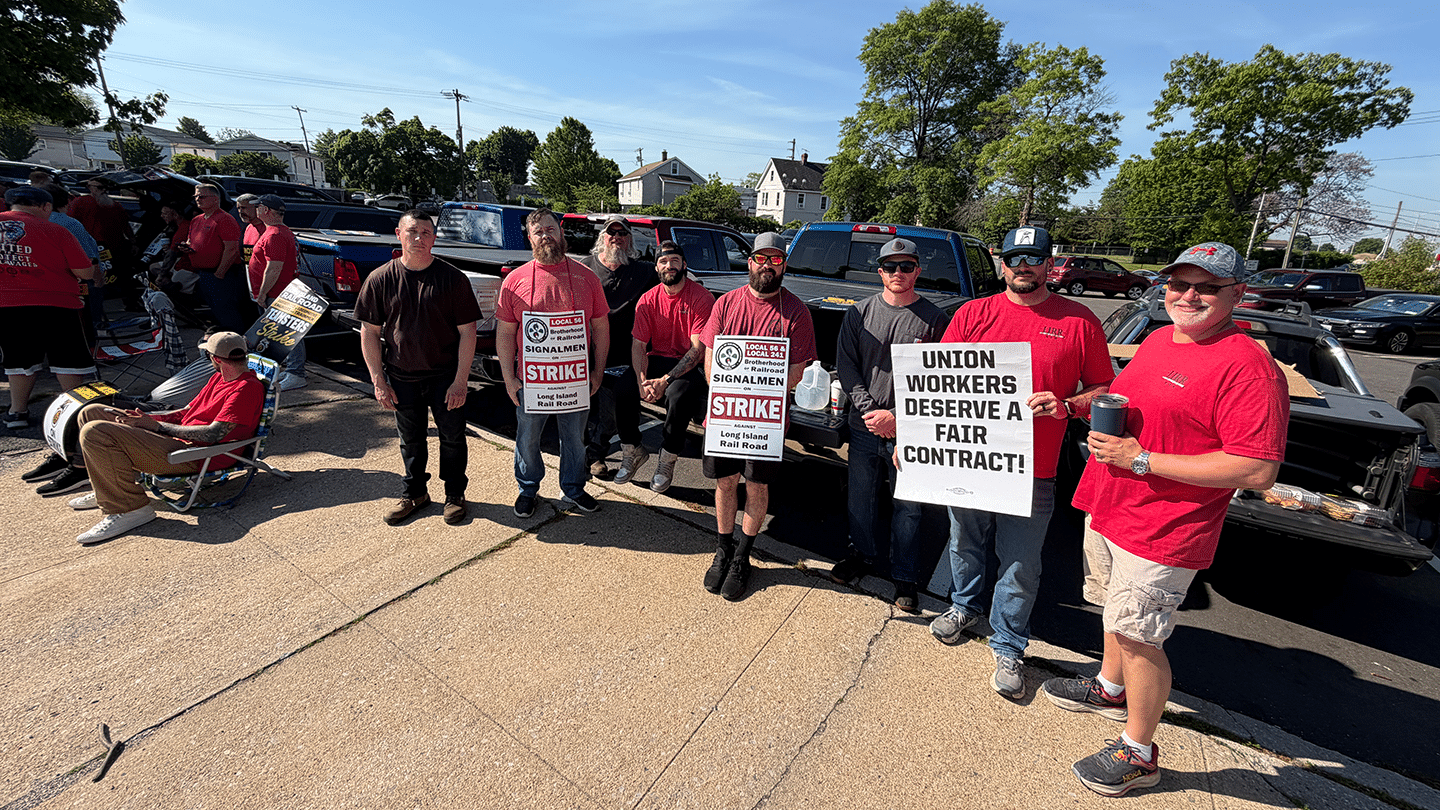
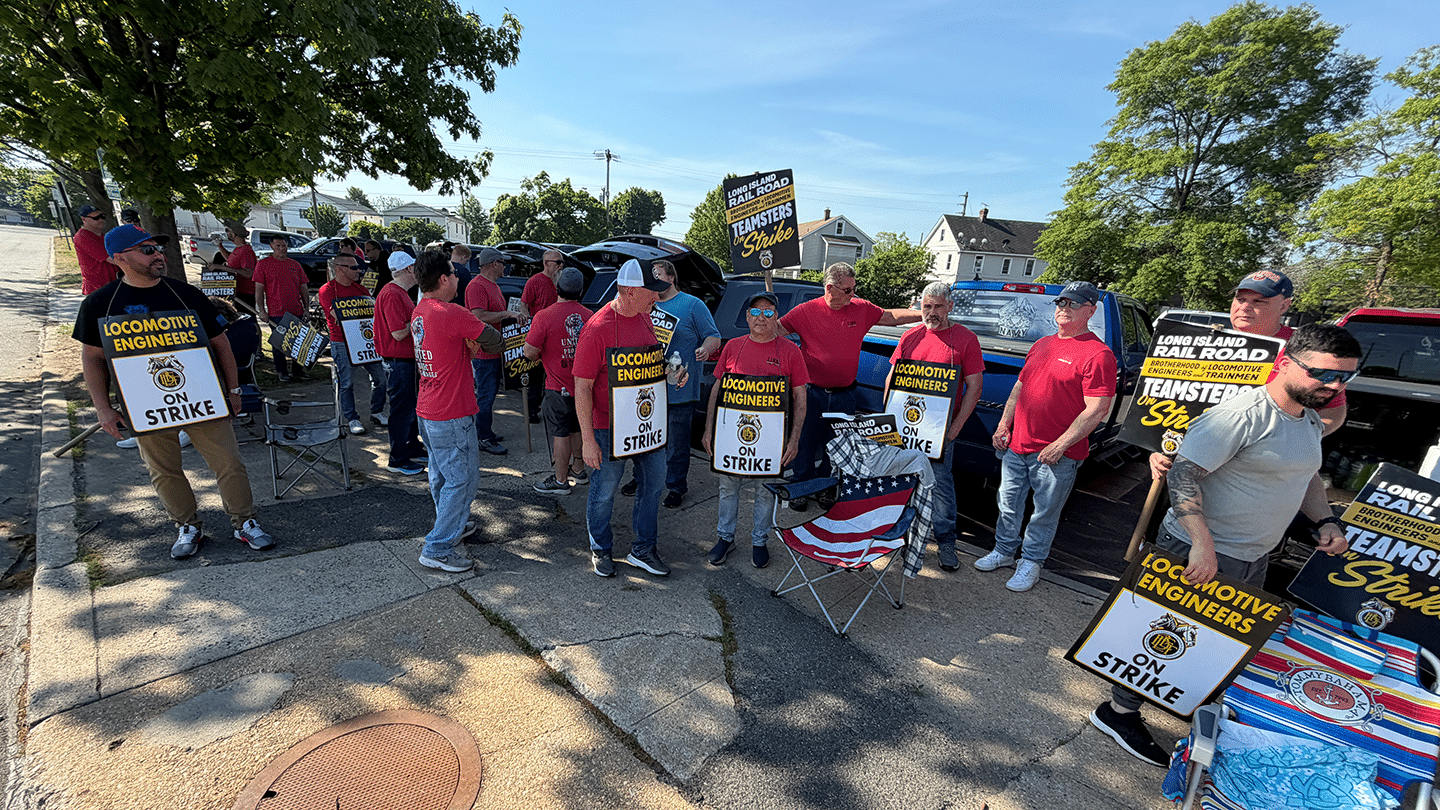
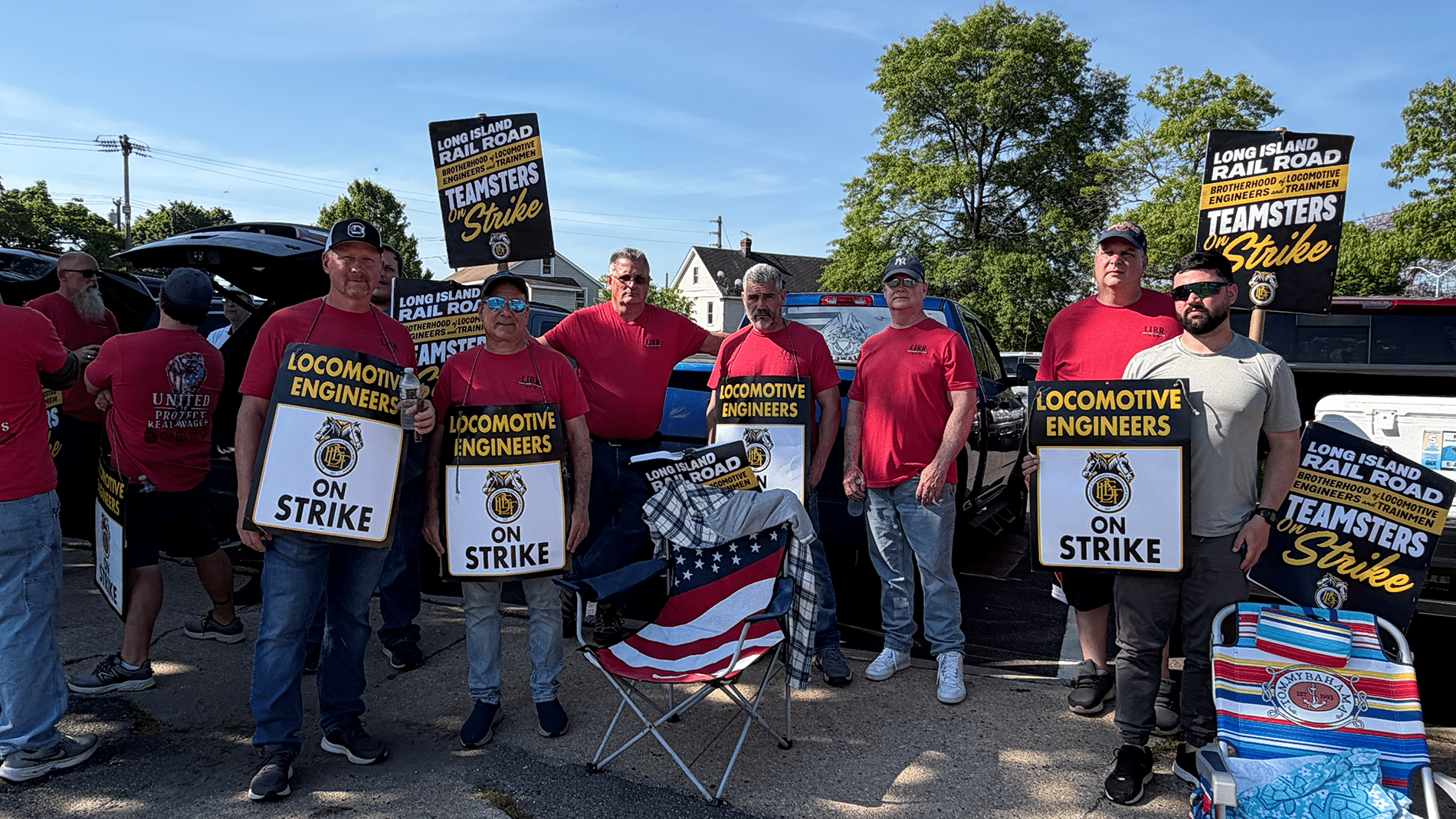
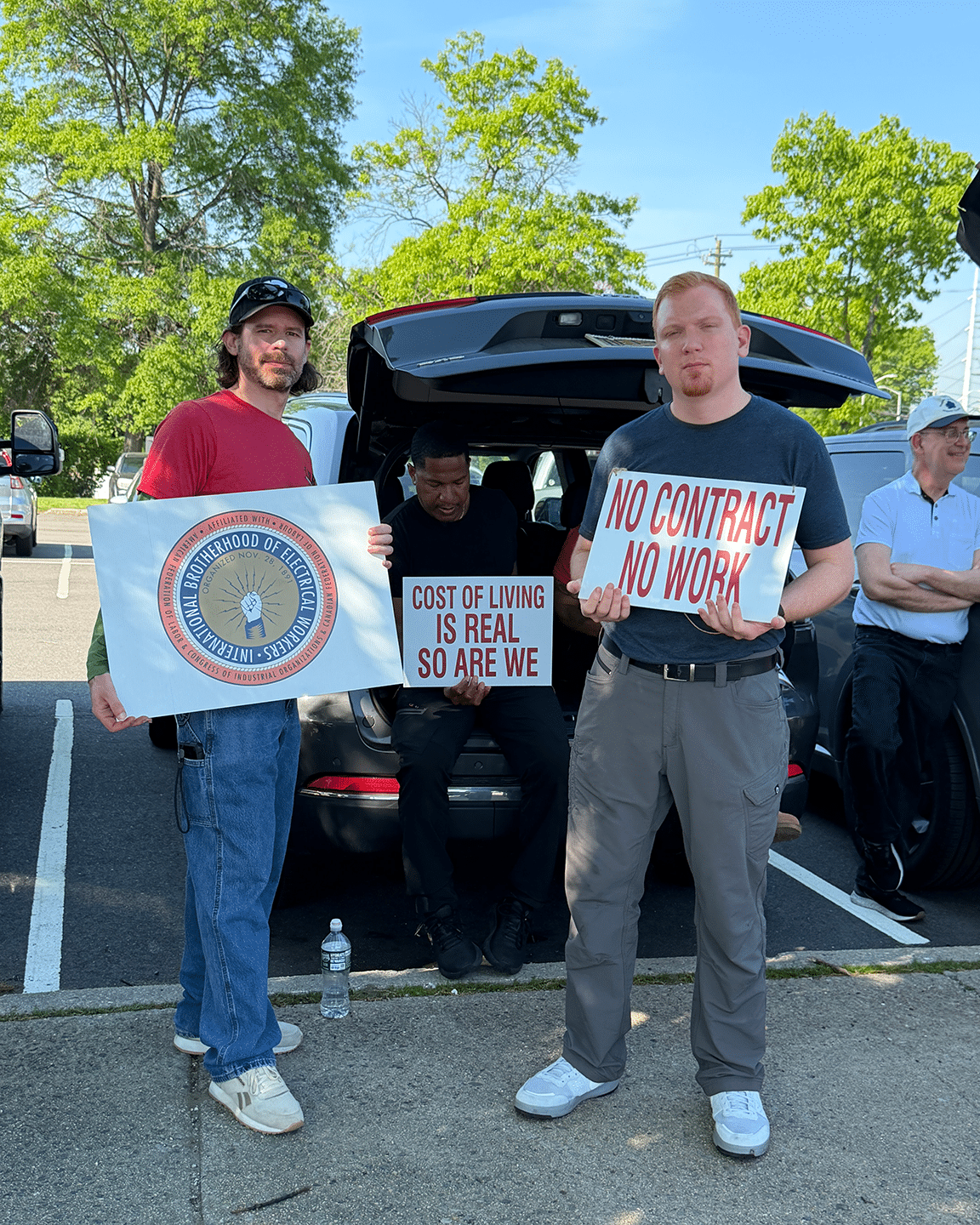
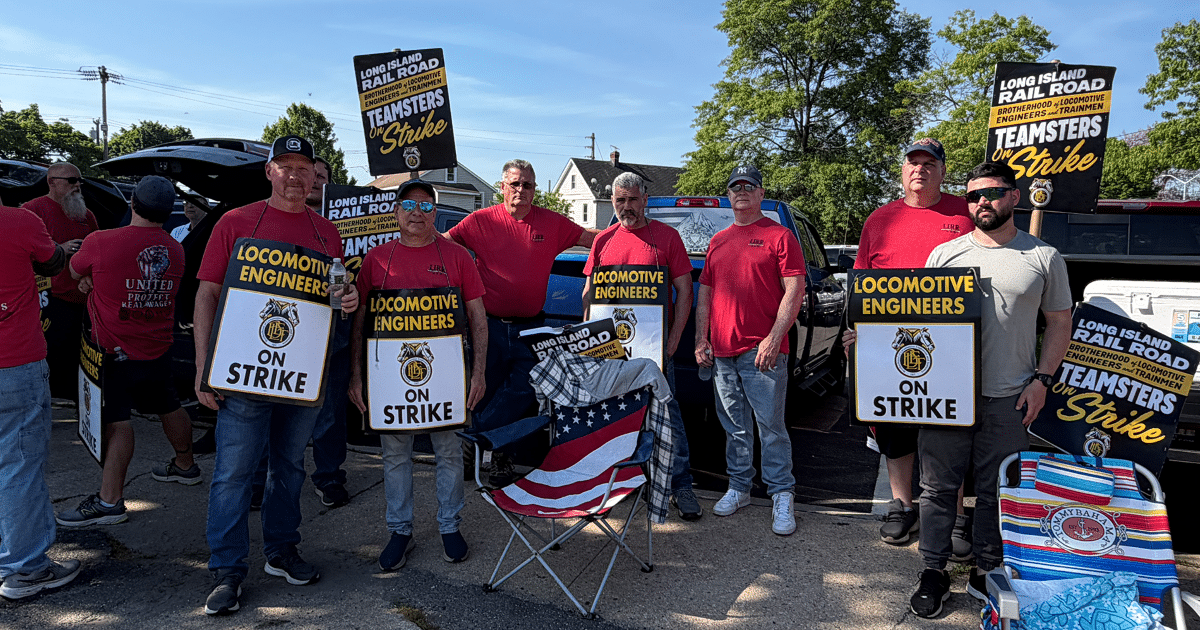
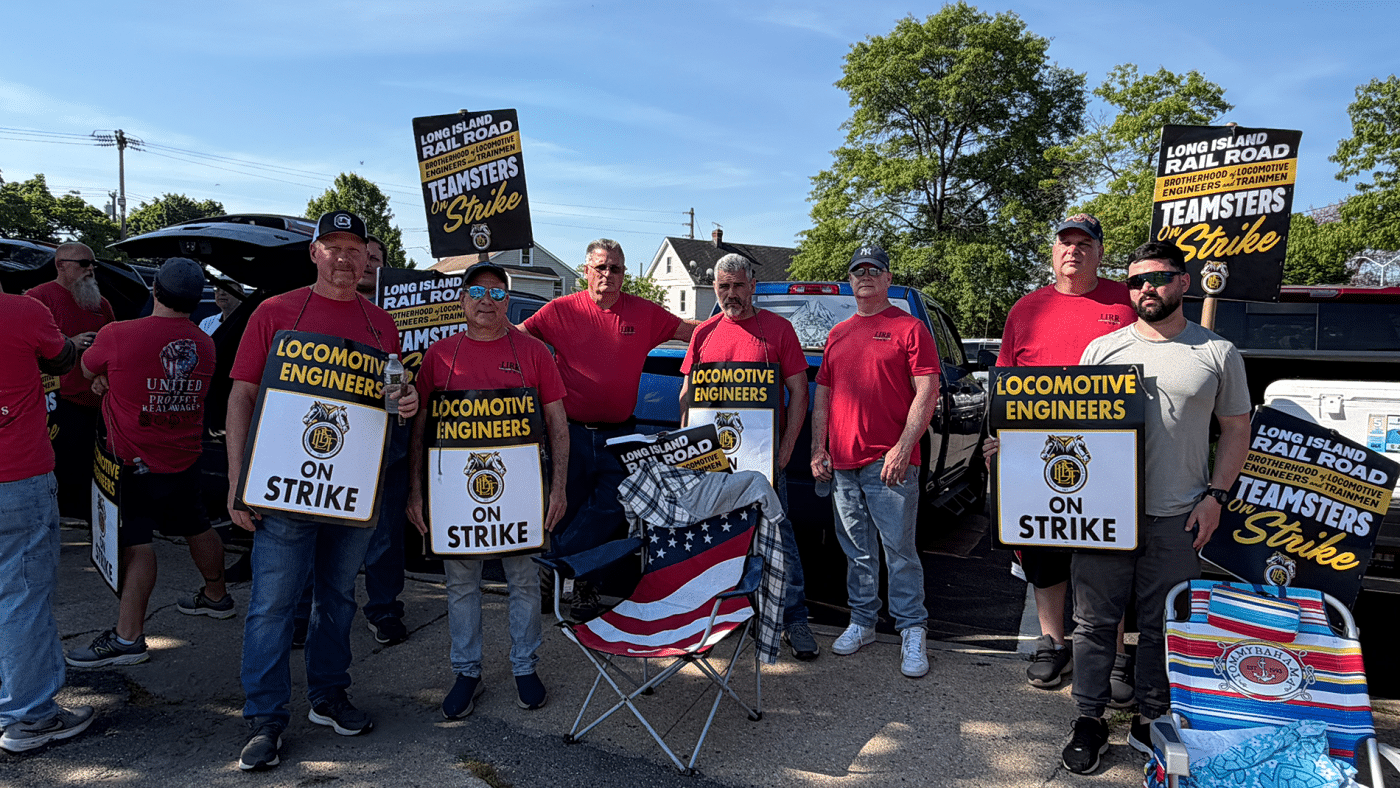
Among the striking workers were members of the Brotherhood of Locomotive Engineers and Trainmen, Railroad Signalmen and the International Brotherhood of Electrical Workers. The unions represent employees responsible for operating the trains, servicing the 3rd rail and maintaining railroad signaling and communication systems that help keep rail crossings and train operations safe.
“We maintain the crossing gates,” one worker explained. “When you drive over a crossing and those gates come down because a train is coming, that’s because of what we do.”
The union’s work includes maintaining signal systems, communication lines, platform emergency call boxes, fiber optic systems, and railroad infrastructure that allows different rail locations to communicate with one another safely.
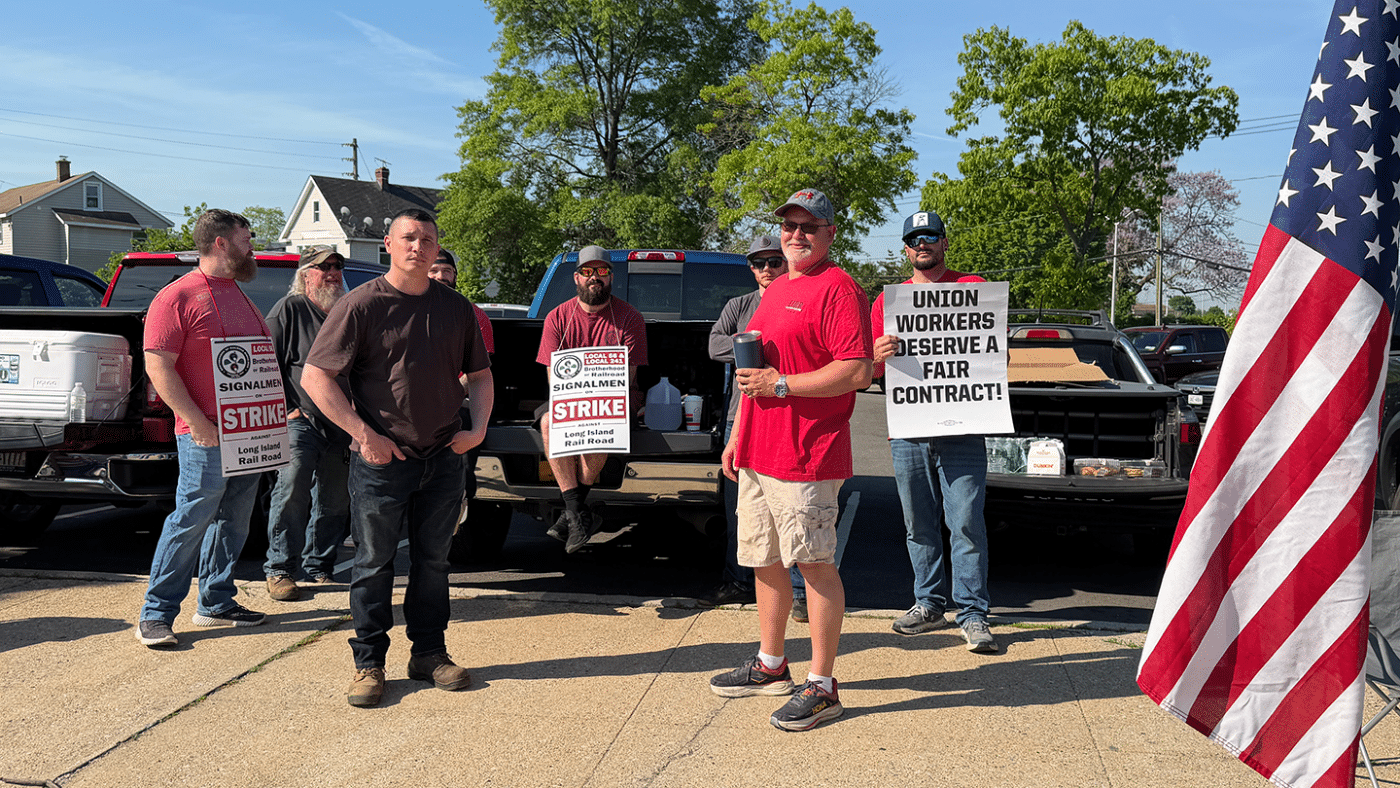
“Basically, we keep it safe for the public,” the worker said.
The striking employees stressed that the labor dispute did not happen overnight. According to workers on the picket line, negotiations over a new contract have stretched on for more than three years.
“They act like it came out of nowhere and it was a surprise,” one worker said. “But we started this process three and a half years ago.”
Workers explained that under the railway labor process, negotiations often begin before an existing contract expires. In this case, they said they had already been working for years under an expired agreement while talks continued.
“There’s always this delay,” one worker said. “By the time the contract gets passed, it’s almost up again.”
The workers also discussed retroactive pay, explaining that whether employees receive back pay for years worked without a contract depends on the final agreement reached between the union and the MTA.
Some workers questioned why contracts routinely become retroactive instead of being settled on time.
“It should have never come to this,” one employee said. “Everybody lost.”
The strike has also sparked concern among riders about the possibility of future fare hikes. Workers acknowledged commuters’ frustrations but argued that they are not responsible for MTA budgeting decisions.
“We feel bad for the neighbors and the riders,” one worker said. “But we don’t do the budgeting. We just work here.”
Union members also pointed to recent fare increases and other MTA revenue sources, including congestion pricing, saying they believe funding exists to address worker demands without increasing fares again.
Still, many on the picket line said they expect public frustration to ultimately fall on the workers.
“I think they’re going to pin it on us,” one striker said.
As negotiations continue, Huntington residents are left navigating an unusually quiet station, uncertain how long the disruption will last.
Photography by June Margolin.