
HUNTINGTON, NY – September 3, 2026
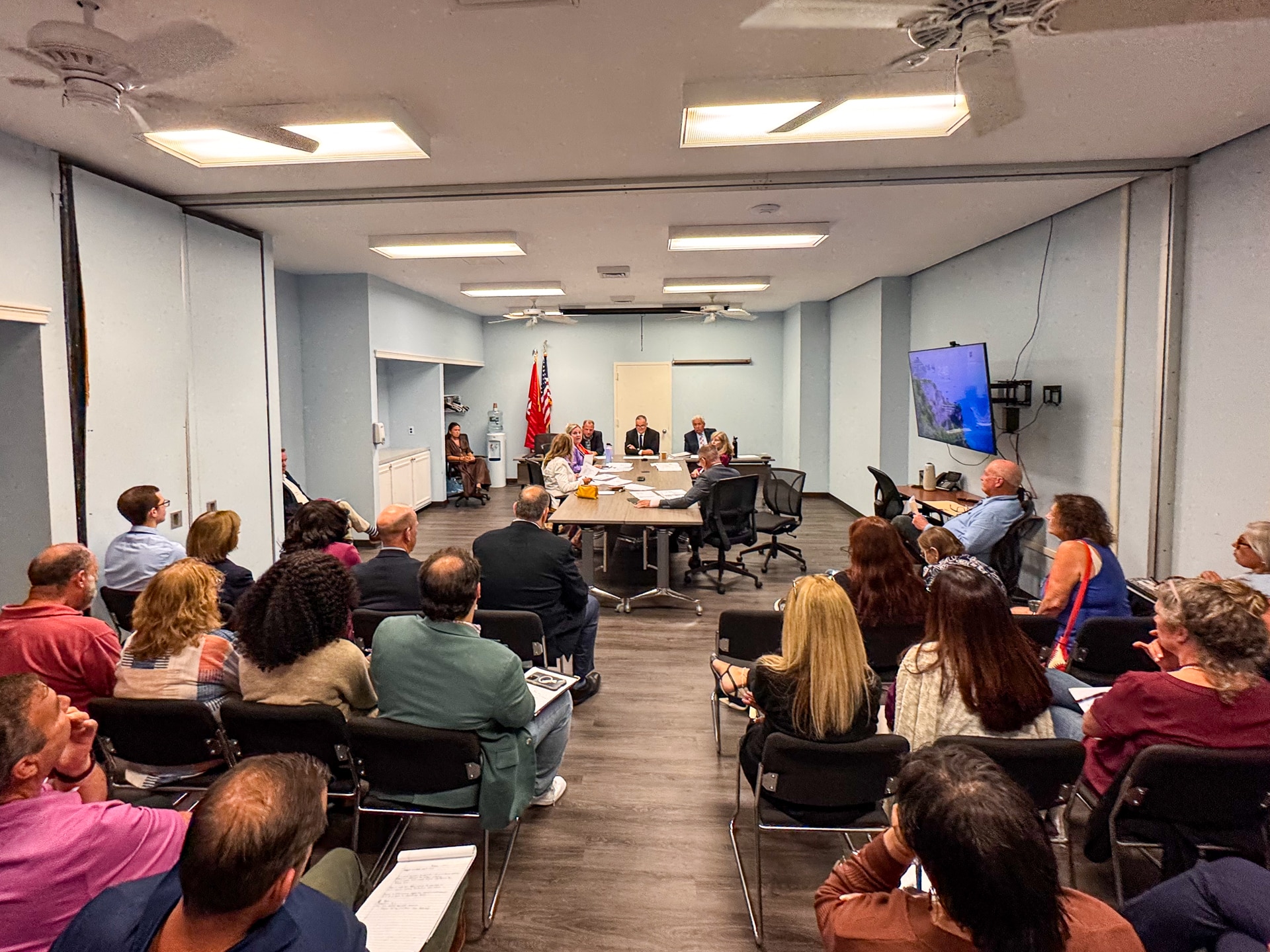
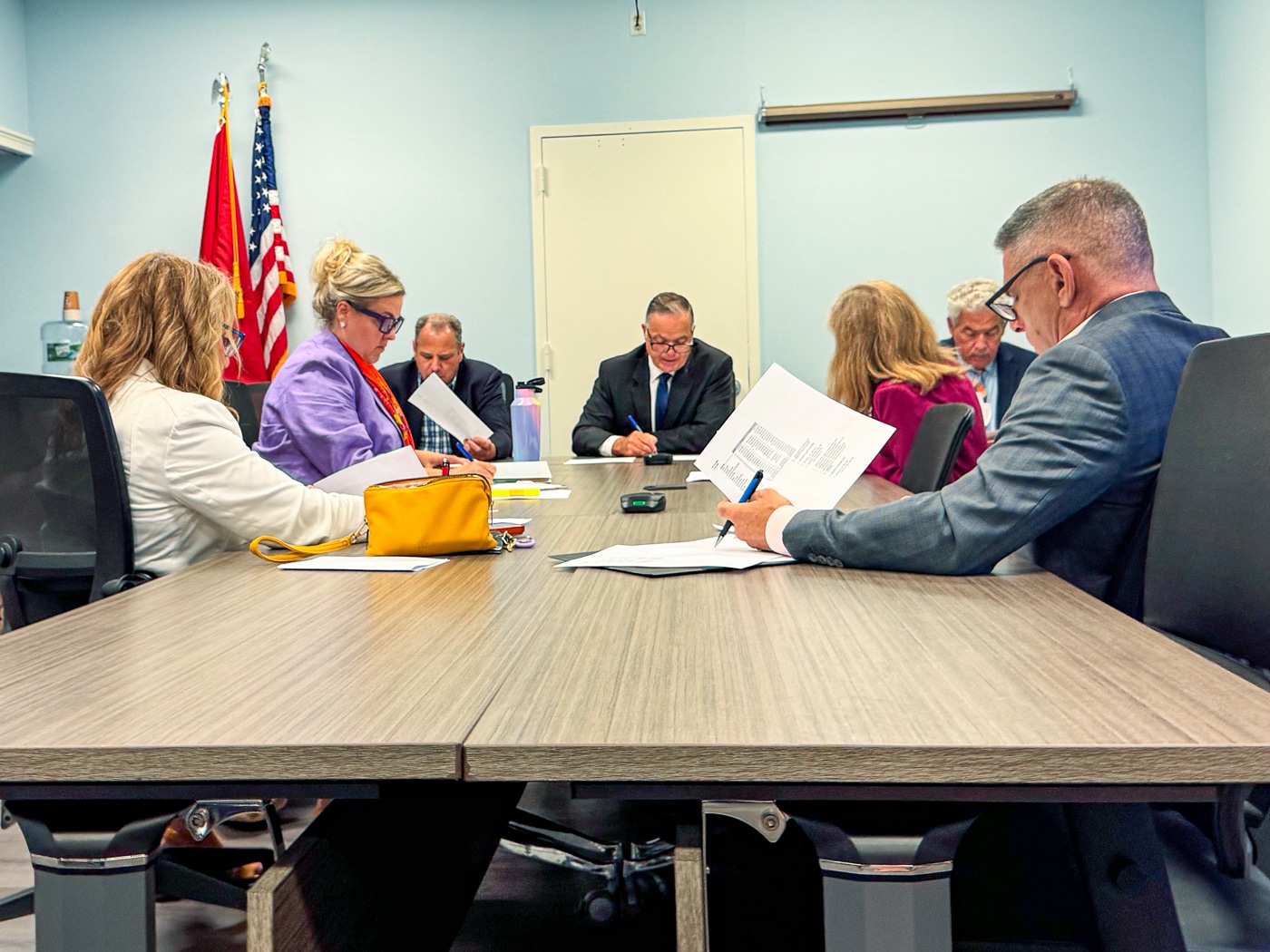
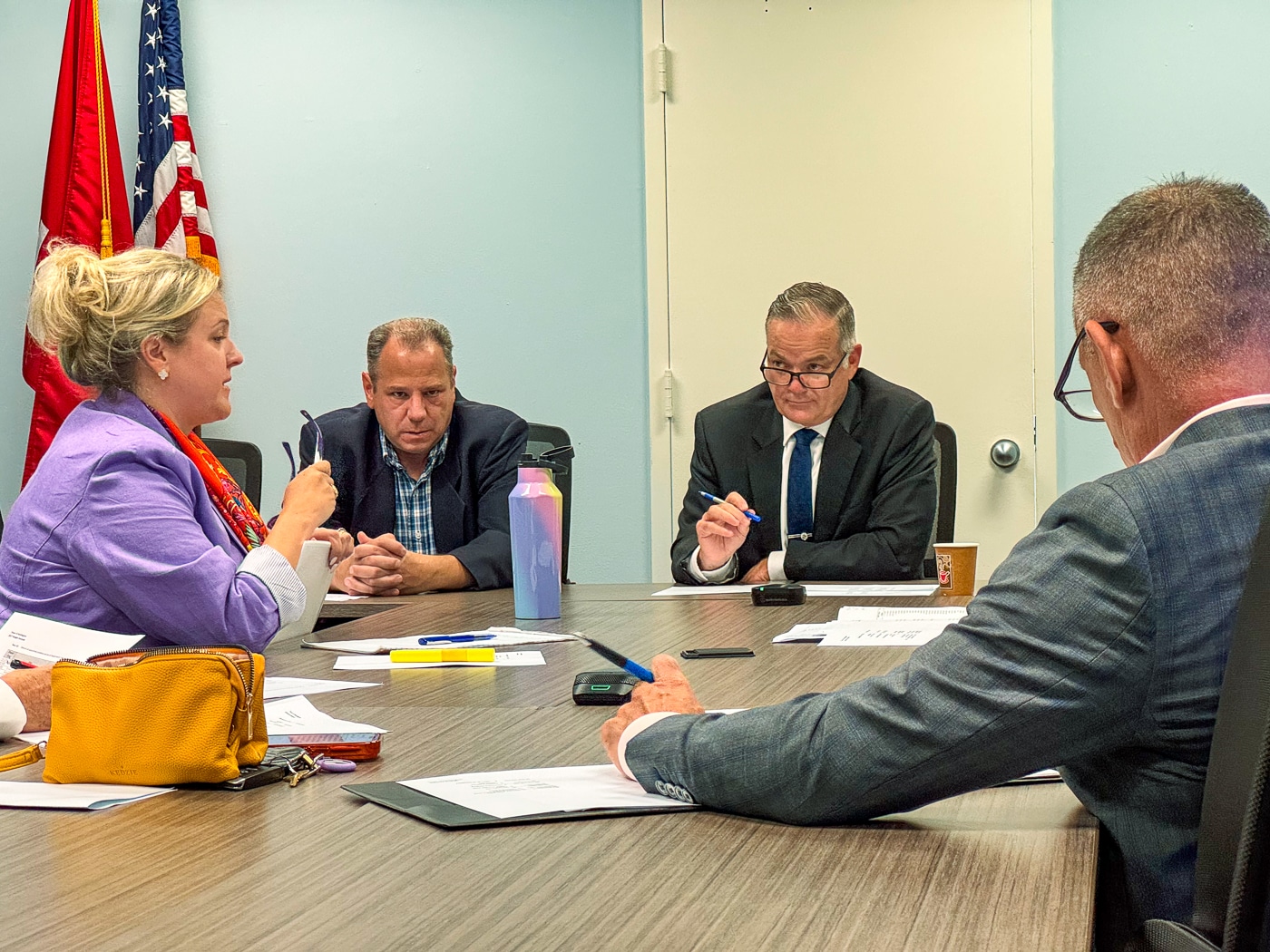
The Huntington Town Board returned to the 2027 budget Thursday with the first real number attached to a potential tax increase: 19%. The figure has not been proposed or approved, but emerged as officials weighed the cost of maintaining Town services against possible cuts and New York State’s property tax cap.
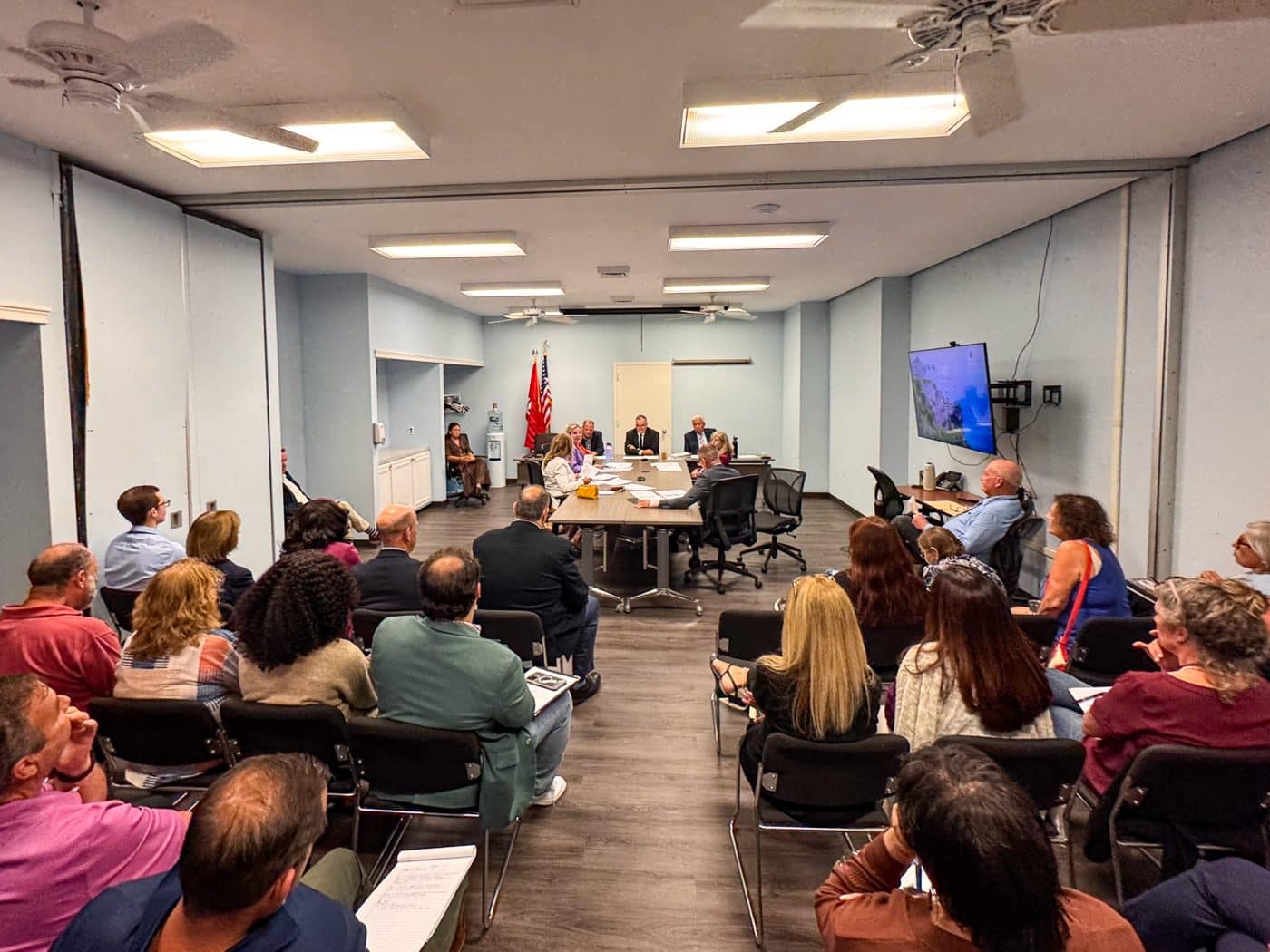
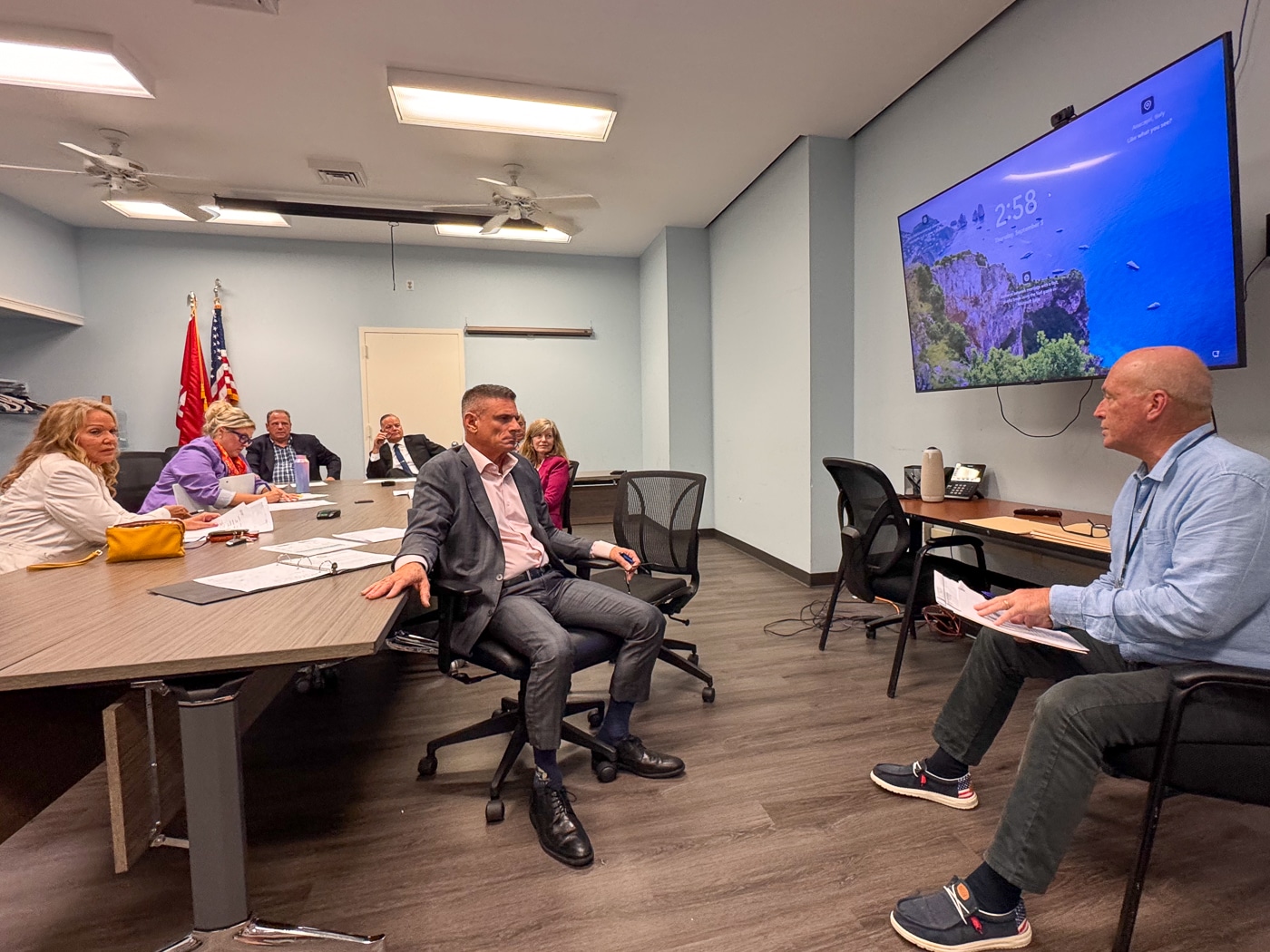
The second public budget workshop followed last week’s discussion of an approximately $16 million gap. Thursday’s working numbers moved the 2027 budget closer to $269 million as officials discussed vacant positions, garbage collection, services and other spending priorities.
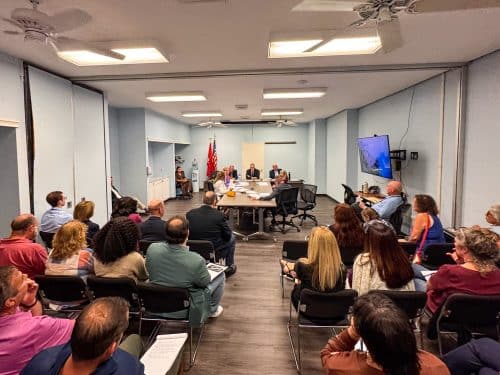
Watch the full September 3 Budget Workshop Meeting.
What Could the Tax Increase Mean for a Homeowner?
Comptroller Jonas Wagner used an actual Huntington property tax bill to show what a potential increase could mean. On a sample property with a total tax bill of about $14,400, roughly $1,600 represented taxes controlled by the Town Board. Wagner calculated that a 19% increase to that portion would equal about $307 more per year, or $25.63 per month.
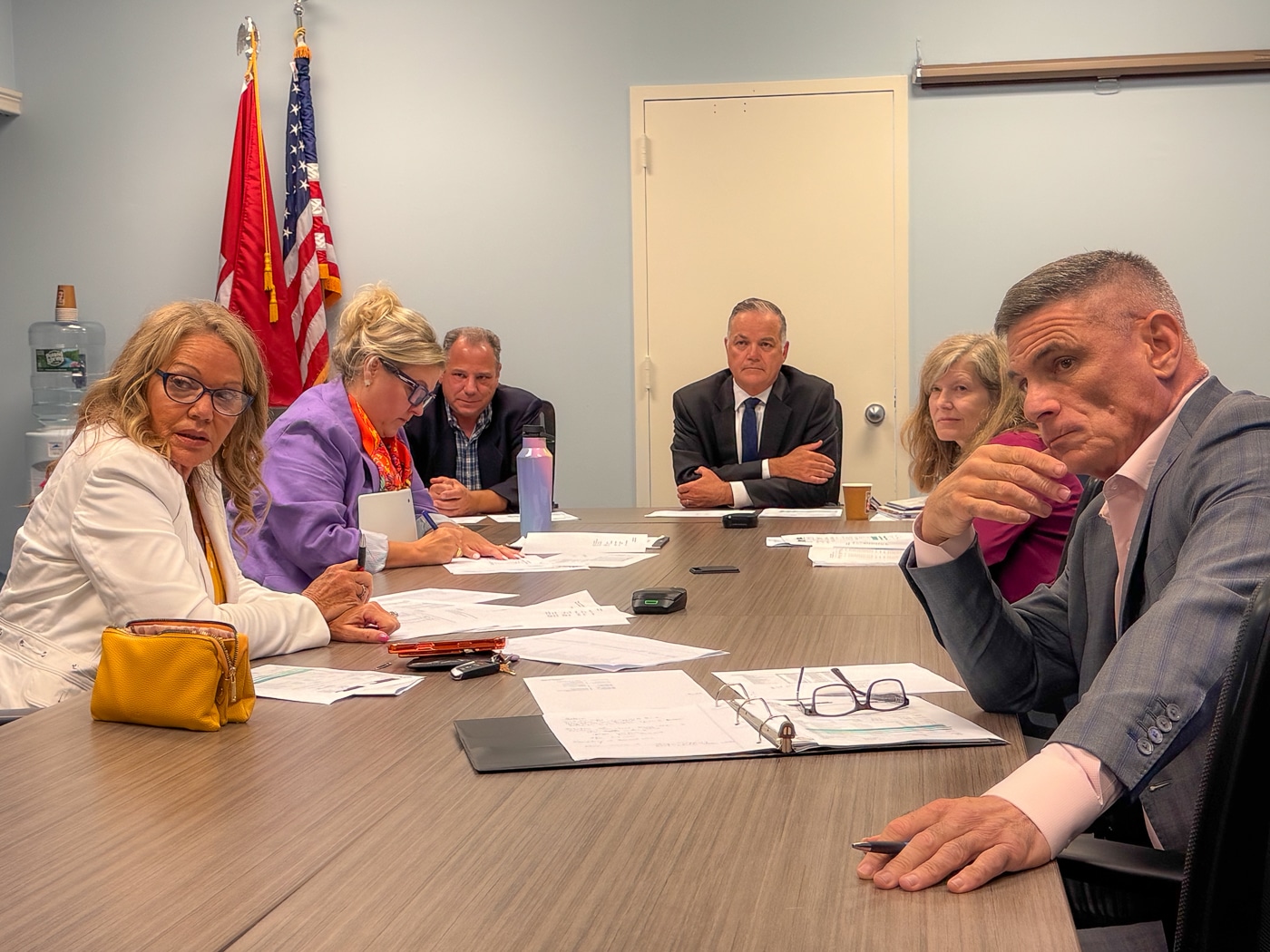
“I don’t know that most people understand that that’s the only portion of the bill that we’re talking about,” Councilwoman Theresa Mari said. “The only portion of the bill that’s affected is the sixteen hundred. Not saying I’m not trying to minimize. I just want to make sure that everybody understands that.”
Smyth Pushes for a Fully Funded Budget
Supervisor Smyth laid out his preferred approach to the 2027 spending plan:
“What I’m advocating for right now is to take this year’s budget, roll it forward to ’27, and add whatever the projected increase in cost is,” Smyth said.
Budgeting the money does not require the Town to spend all of it, he said, and the Board can still decide which individual items should be reduced or removed.
One major issue is staffing. The current working budget includes 57 vacant positions totaling approximately $3.36 million, including 14 appointed positions and 43 civil service positions. Three civil service jobs are already expected to be filled: two entry-level IT positions and one Fire Marshal position.
Councilwoman Jen Hebert said “If it means that we cut three million dollars out of our budget without losing any staff, that seems to me like a good place to start.”
Smyth cautioned that some vacancies, including the Director of Personnel and several deputy-level positions, are jobs the Town genuinely needs. He said the number of vacancies reflects years of leaving positions unfilled as employees left or retired.
Rising Costs and Difficult Cuts
Solid waste remains one of the biggest budget pressures. Smyth recommended adding another $1 million to garbage collection, while Environmental Waste Management Director John Clark said his department faces contract increases that far exceed the ~2% tax-cap rate.
“When you try and manage a budget at two percent and two and a half percent, and you have escalation clauses – and those renewals come in at four and a half or five percent – you have to have operating expenses that increase,” Clark said.
Several possible reductions were reviewed, but Thursday’s discussion showed how quickly a simple budget cut can create another problem.
One proposal would reduce outside-agency funding by half, saving approximately $388,000. The funding supports organizations including museums, arts organizations and historic institutions.
Hebert opposed cutting outside-agency funding in half. “Those are the things that make Huntington special and what it is,” she said.
Town Clerk Andrew Raia offered one example of how a cut could cost more than it saves: a $22,000 part-time Bingo [game] inspector generates approximately $47,000 in Town revenue while enabling seven community organizations to collectively raise about $1 million.
Another proposal would eliminate approximately $300,000 for Town-provided leaf bags. Smyth warned that the leaves would still have to go somewhere. Without the bags, more could enter the regular household waste stream or be pushed into roadways, potentially shifting rather than eliminating the cost. Clark acknowledged the environmental concern surrounding the plastic bags as well.
The Board also discussed reducing the Town’s annual contribution to its open space and park improvement program. Hebert questioned whether a contribution could be reduced or paused for one year while millions already remain in the fund. Town officials cautioned that much of the accumulated money is intended for expensive future land acquisitions and park projects.
Lifetime Health Benefits Come Back Up
The recently expanded retiree health benefit for elected and certain appointed officials again became part of the debate. The policy adopted in December 2025 reduced eligibility requirements from 12 years of service to six and lowered the qualifying age. Hebert raised the issue during last week’s workshop, and Huntington Matters requested additional information from the Town about its long-term cost but has not yet received a response.
Councilwoman Brooke Lupinacci called revisiting the policy a “prudent first step,” while Smyth emphasized that reversing the change would have “zero fiscal impact” on the 2027 budget.
The discussion led Lupinacci to a broader question: “What structural reforms are going to be put in place to ensure that we’re not sitting in these seats having the same type of a discussion in the near future again?”

Reserves Remain Healthy, But There Is a Limit
Smyth said the Town still has healthy reserves but has intentionally drawn on them in recent years to pay cash for capital projects rather than borrowing.
“We’ve got to the point now where our reserve funds are about as low as they want to see them,” Smyth said, while noting Huntington continues to hold a AAA bond rating.
Smyth rejected the characterization that Huntington is in a fiscal crisis, instead pointing to years in which operating costs rose faster than the tax cap allowed revenue to grow.
After years of absorbing the difference through savings and cuts, he said, “The math doesn’t add up any longer.”
A Young Resident’s View
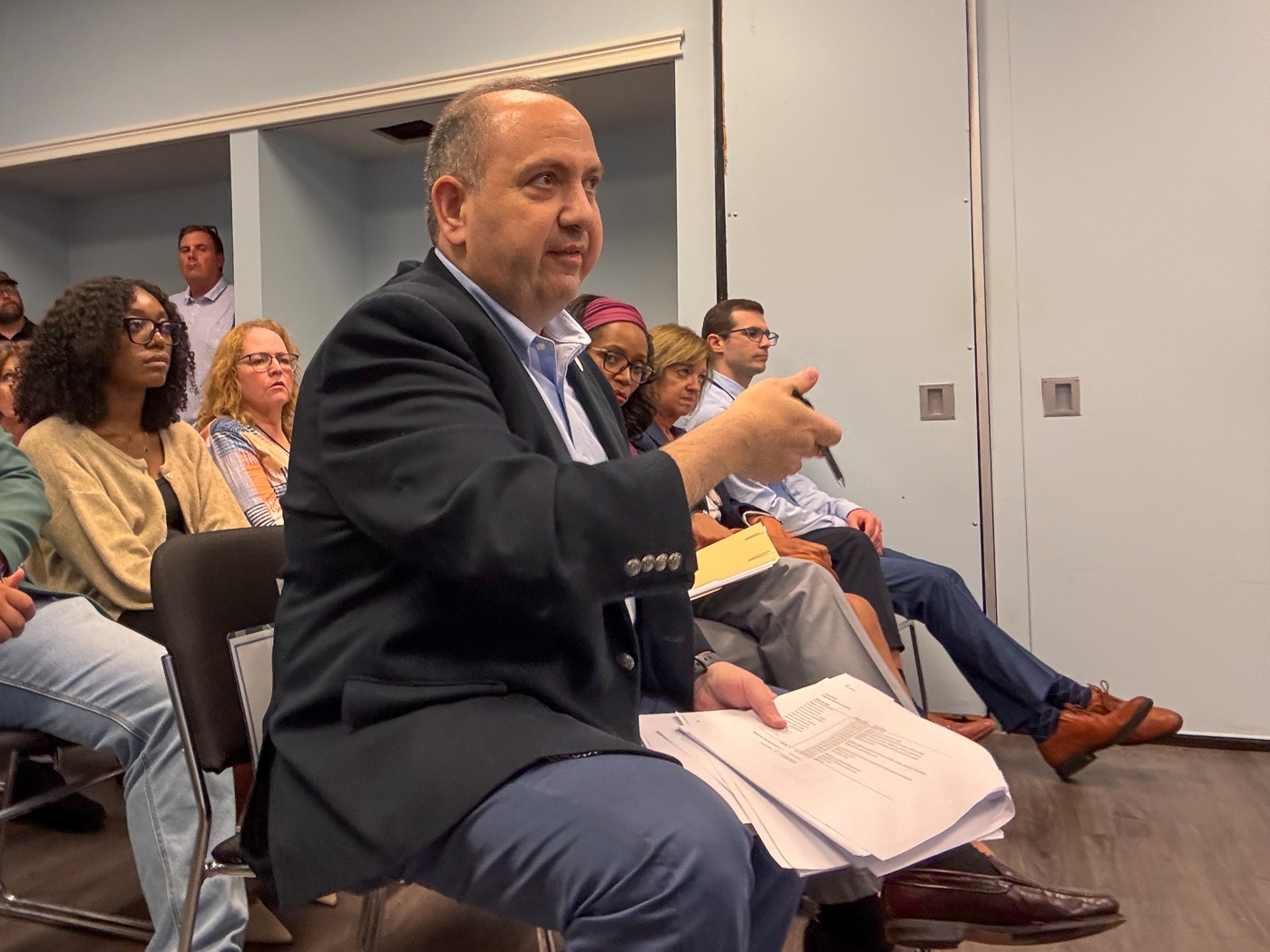
After the workshop, Huntington Matters spoke with resident Anthony Caciato, who is studying to become a land-use attorney. Caciato connected the budget discussion to the challenge younger Long Islanders face trying to remain in Huntington.
“We need to worry about how we protect the suburban character of our community and our environment, while also looking at opportunities where we can make options available for young people and seniors on fixed income,” Caciato said.
He also praised the openness of the workshop. “Personally, I think it’s valuable for us to learn, because we all need to learn what’s going on.”
September 15 Is the Next Major Decision
The Board has not yet voted to pierce the tax cap or adopted a final 2027 budget. Smyth must submit his preliminary spending plan by September 30, but the Board is expected to address authorization to exceed the cap at its September 15 Town Board meeting.
That vote would not adopt the budget itself. The Board will continue reviewing and amending the spending plan before the final budget must be adopted by November 20.
Thursday’s workshop moved the discussion beyond the question raised last week of what Huntington would lose if it stayed under the tax cap. The question now is how much the Board is willing to restore, what it is willing to cut, and what Huntington taxpayers are willing to pay to maintain the services they expect.
Tune in LIVE to the Huntington Matters Weekly Update Friday, September 4 at 6:30 PM as we continue the conversation about Huntington’s 2027 budget during our Hot Topic.
Photography by Dana E. Richter.