
HUNTINGTON, NY – July 19, 2026
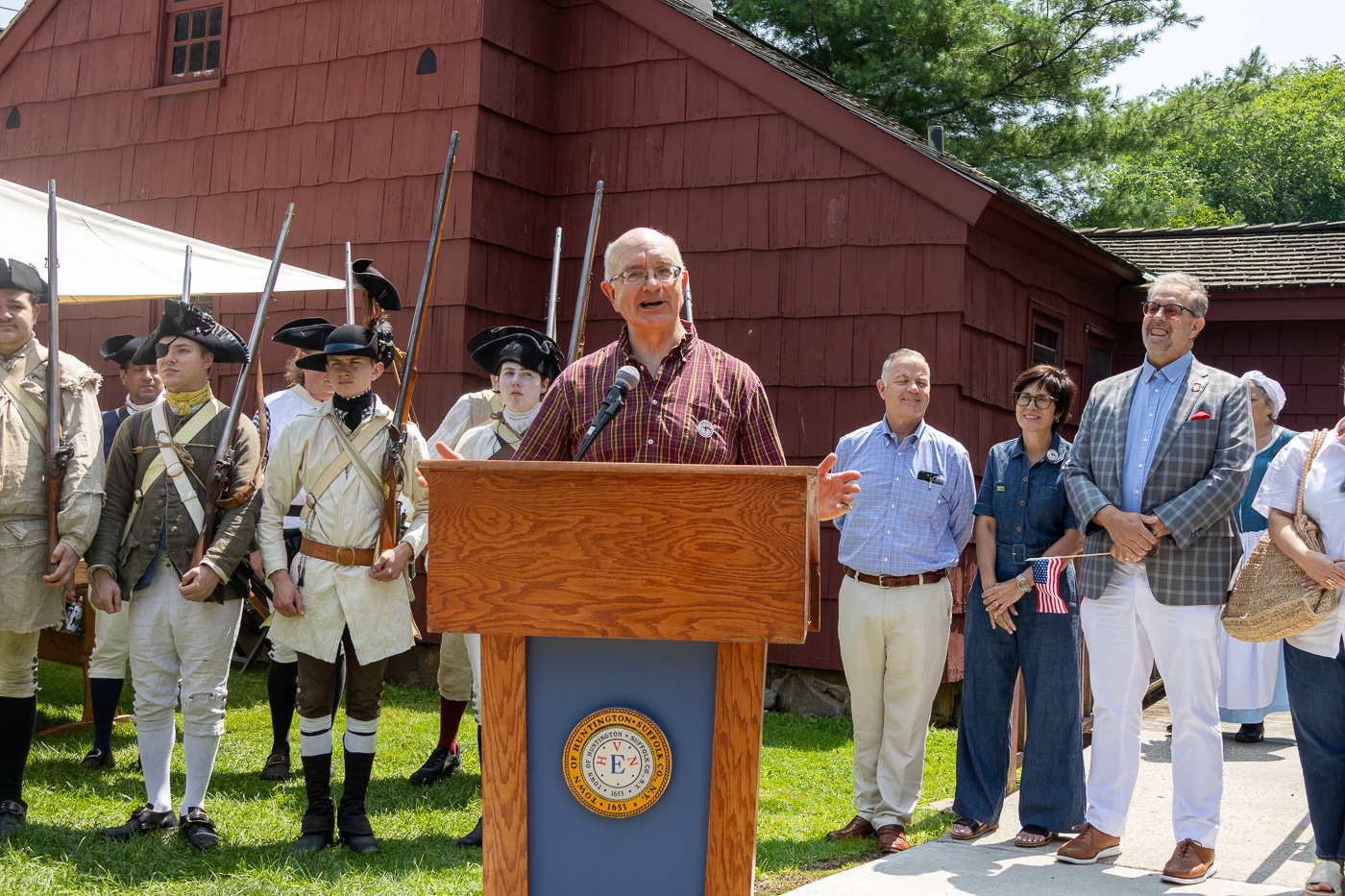
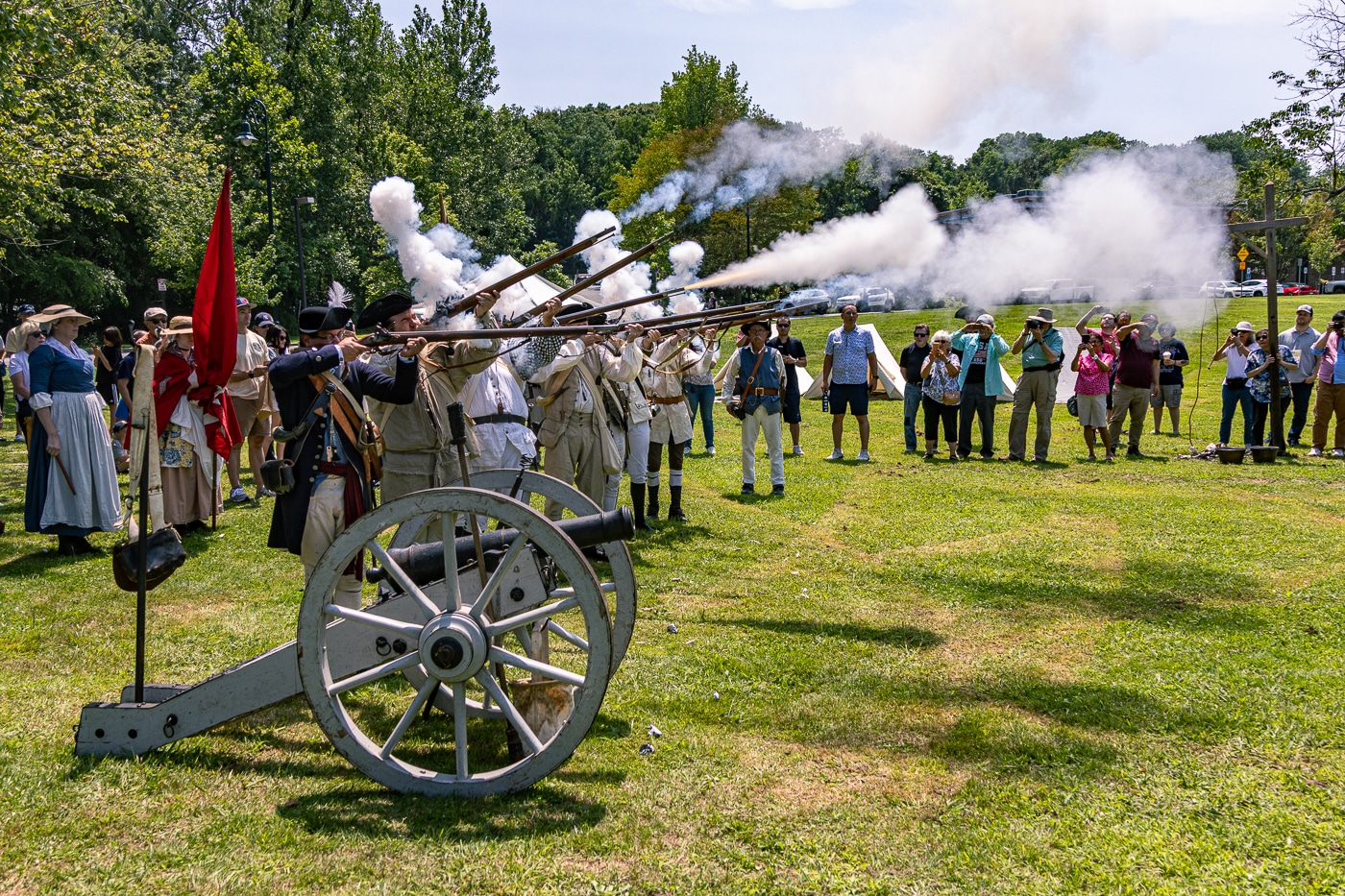
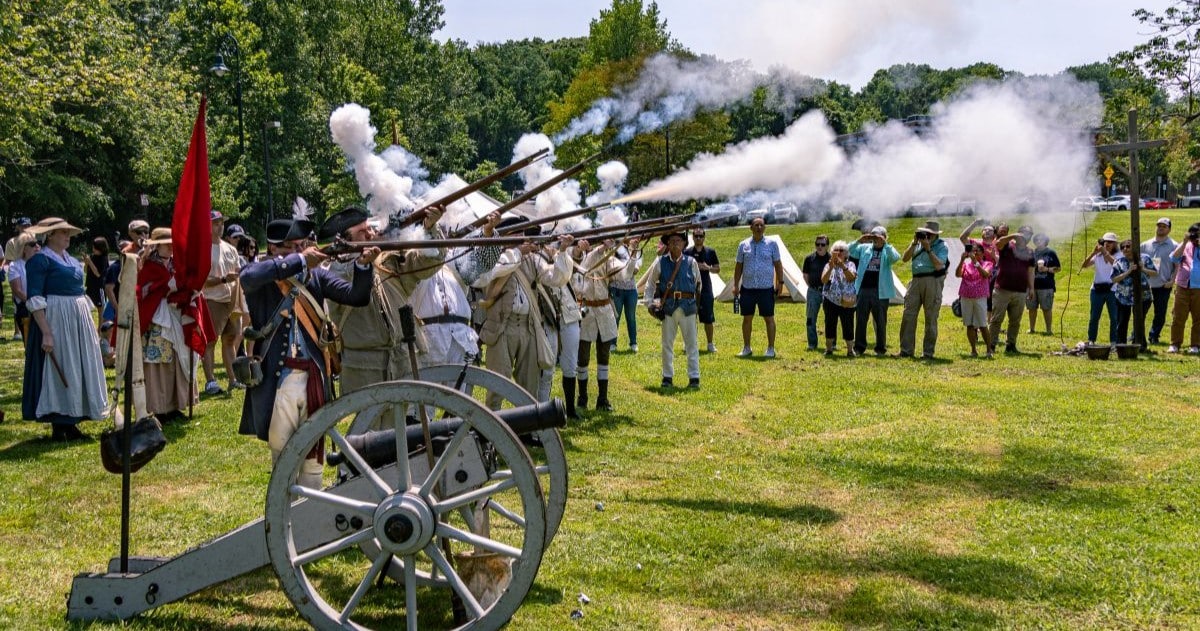
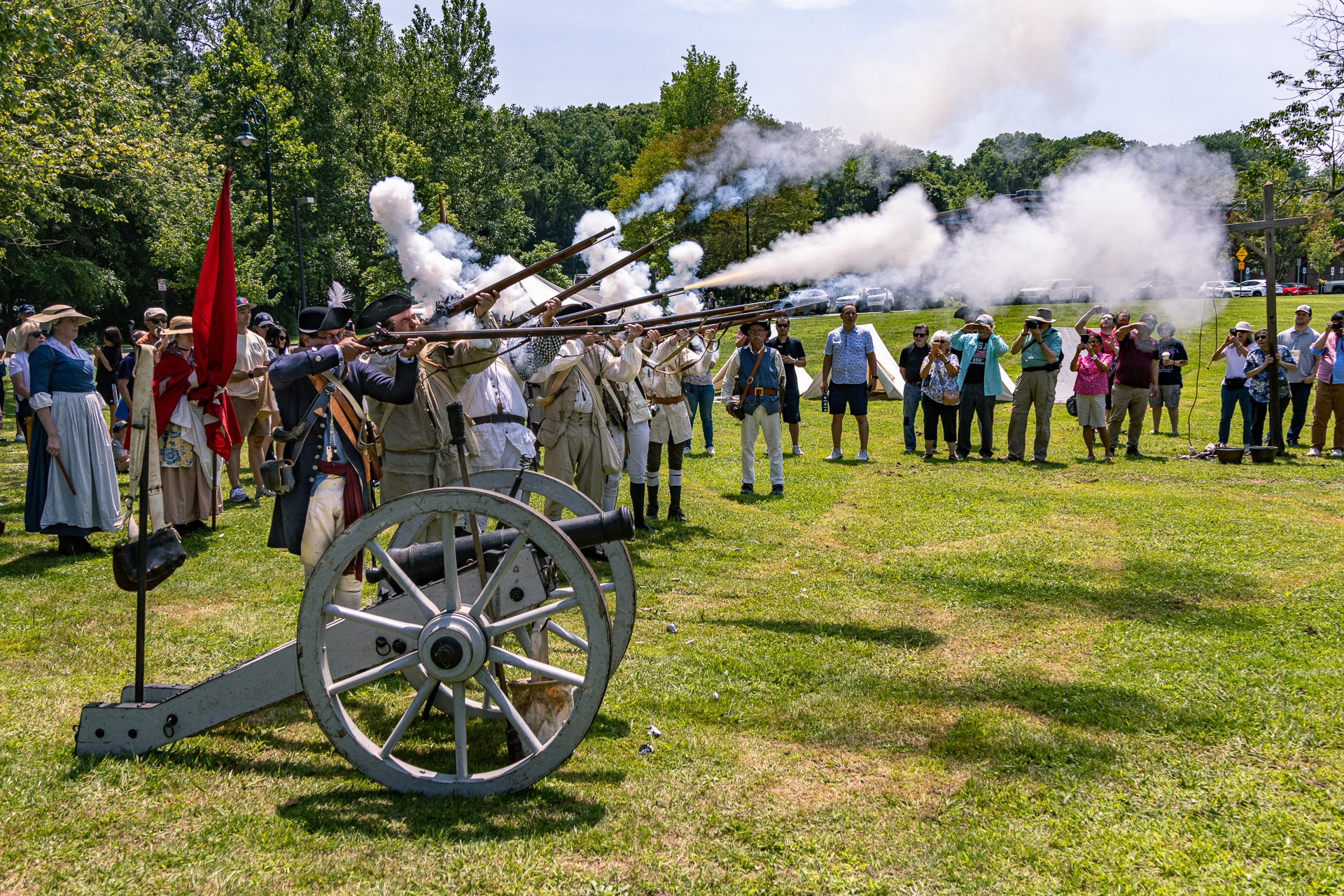
The sharp crack of muskets, the thunder of a cannon, and cries announcing the arrival of news from the Continental Congress transported visitors back nearly 250 years as Huntington recreated one of the most significant days in its history: the arrival of the Declaration of Independence in the Town of Huntington.
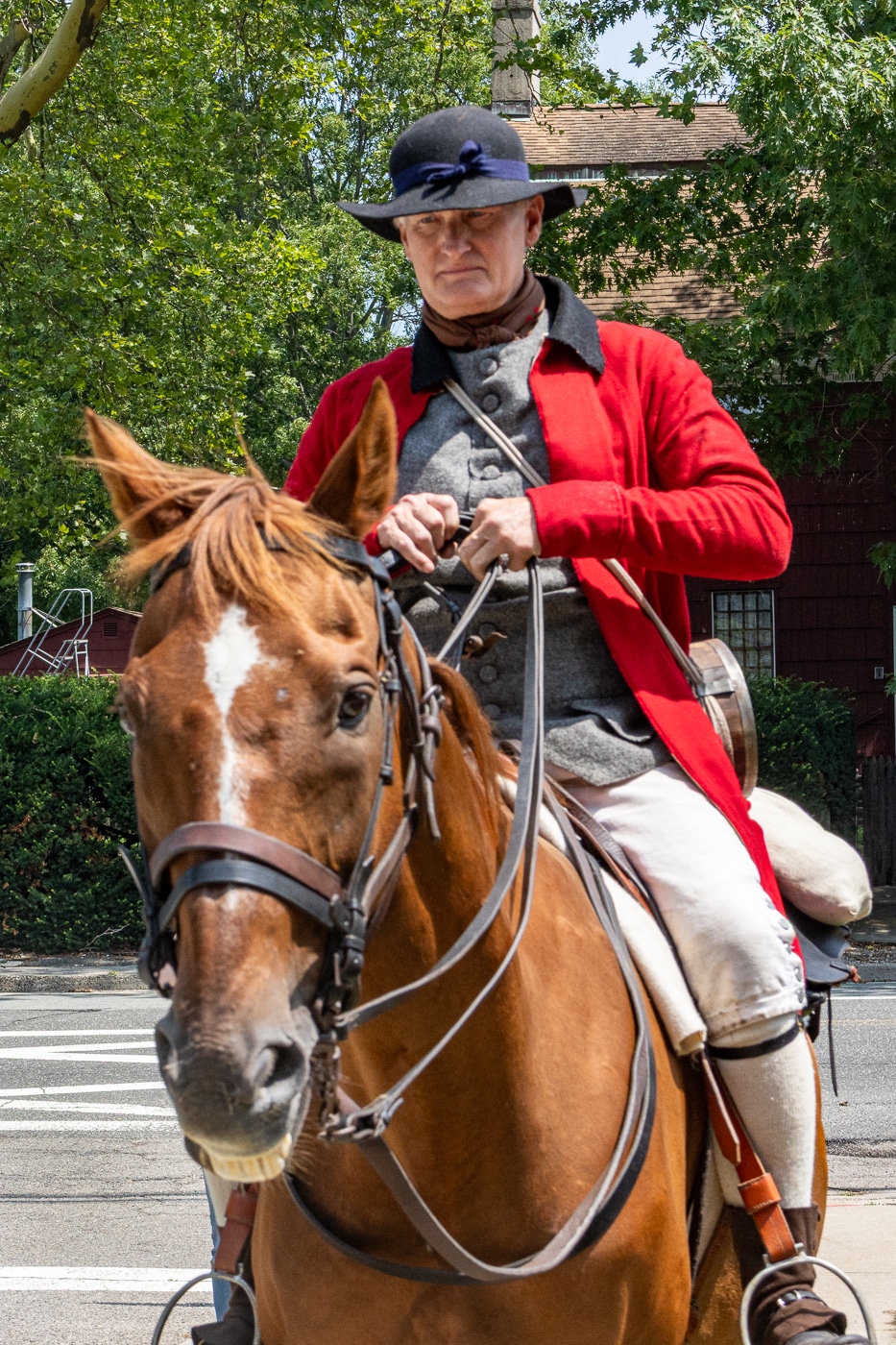
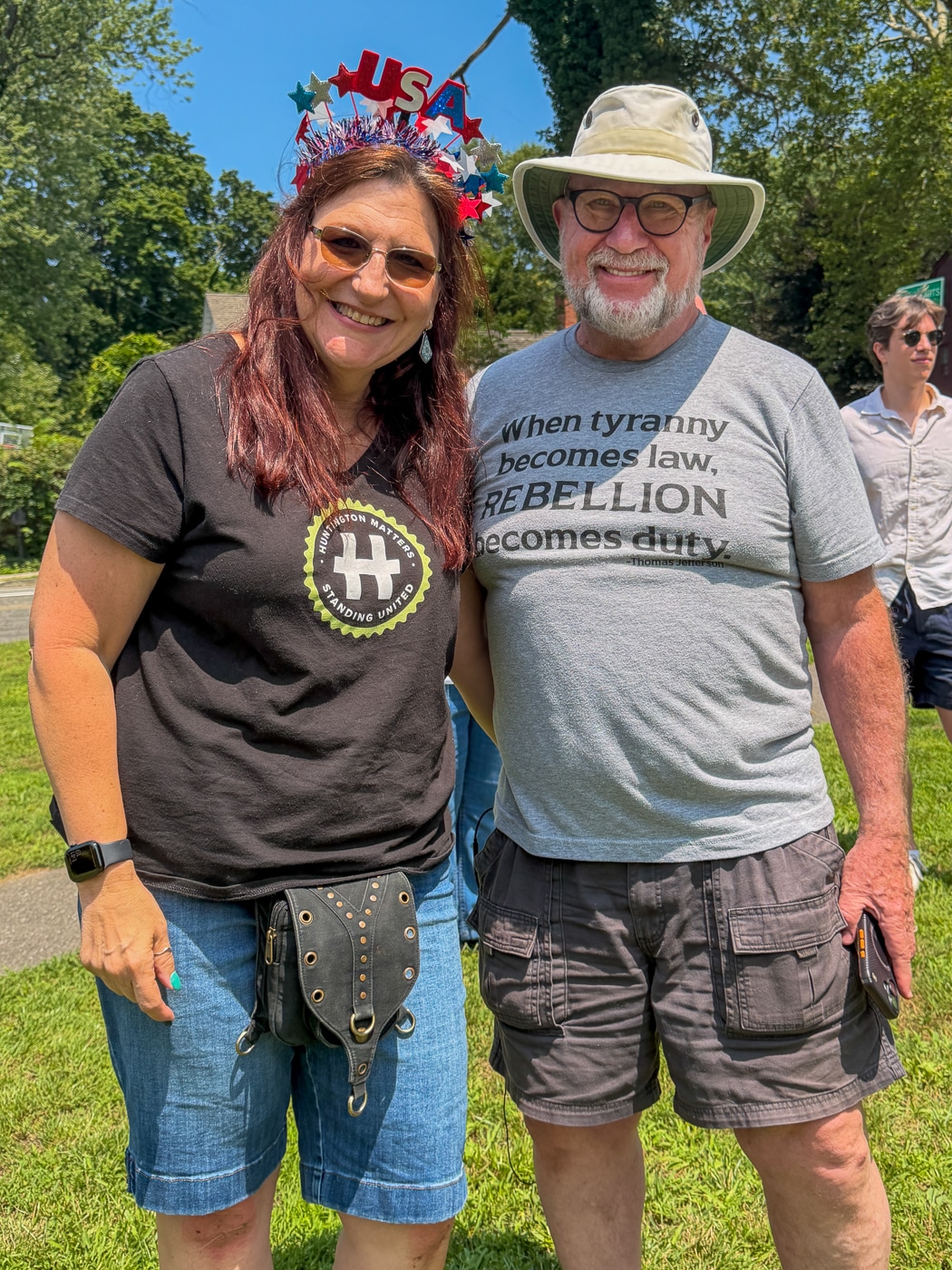
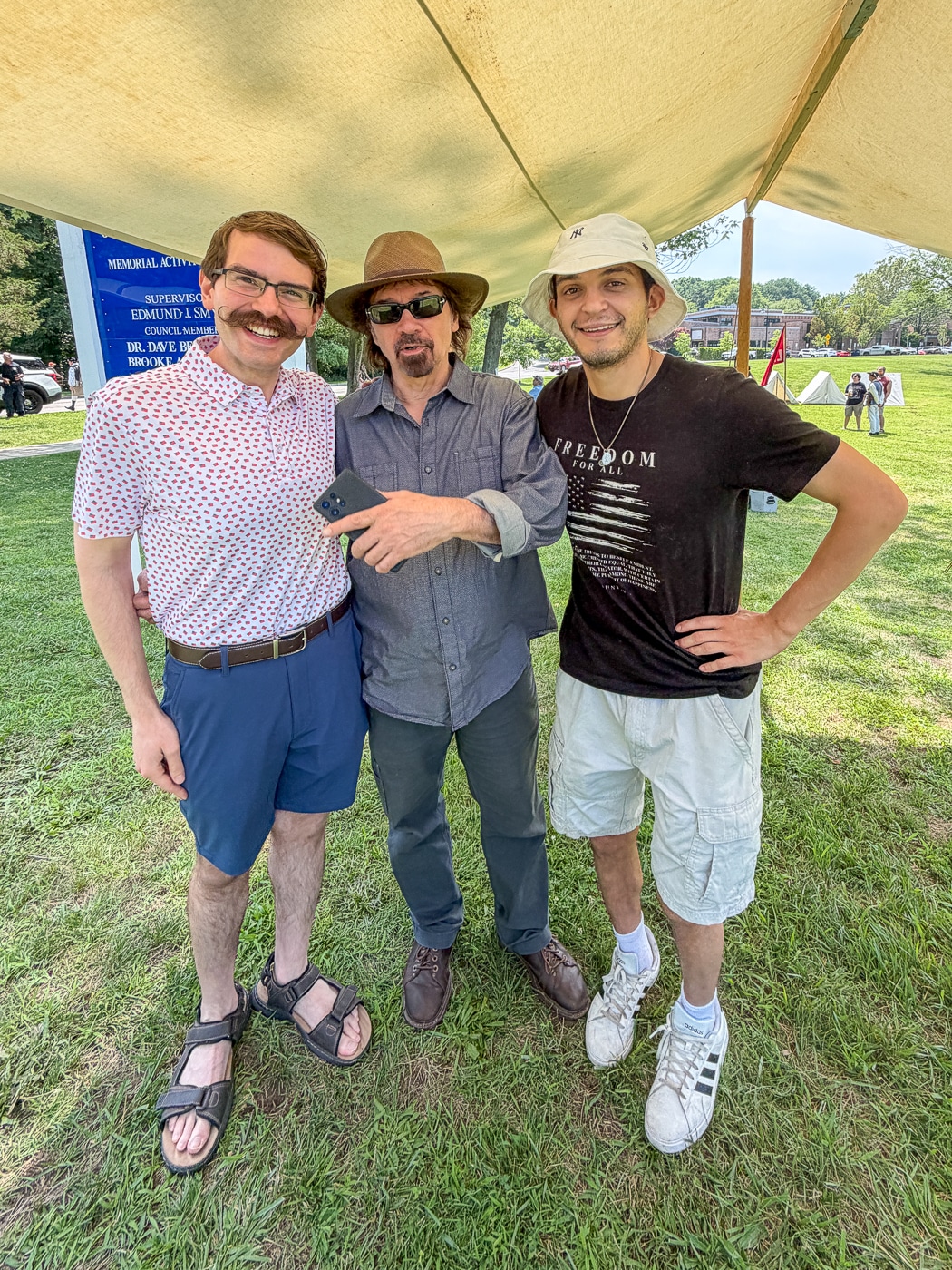
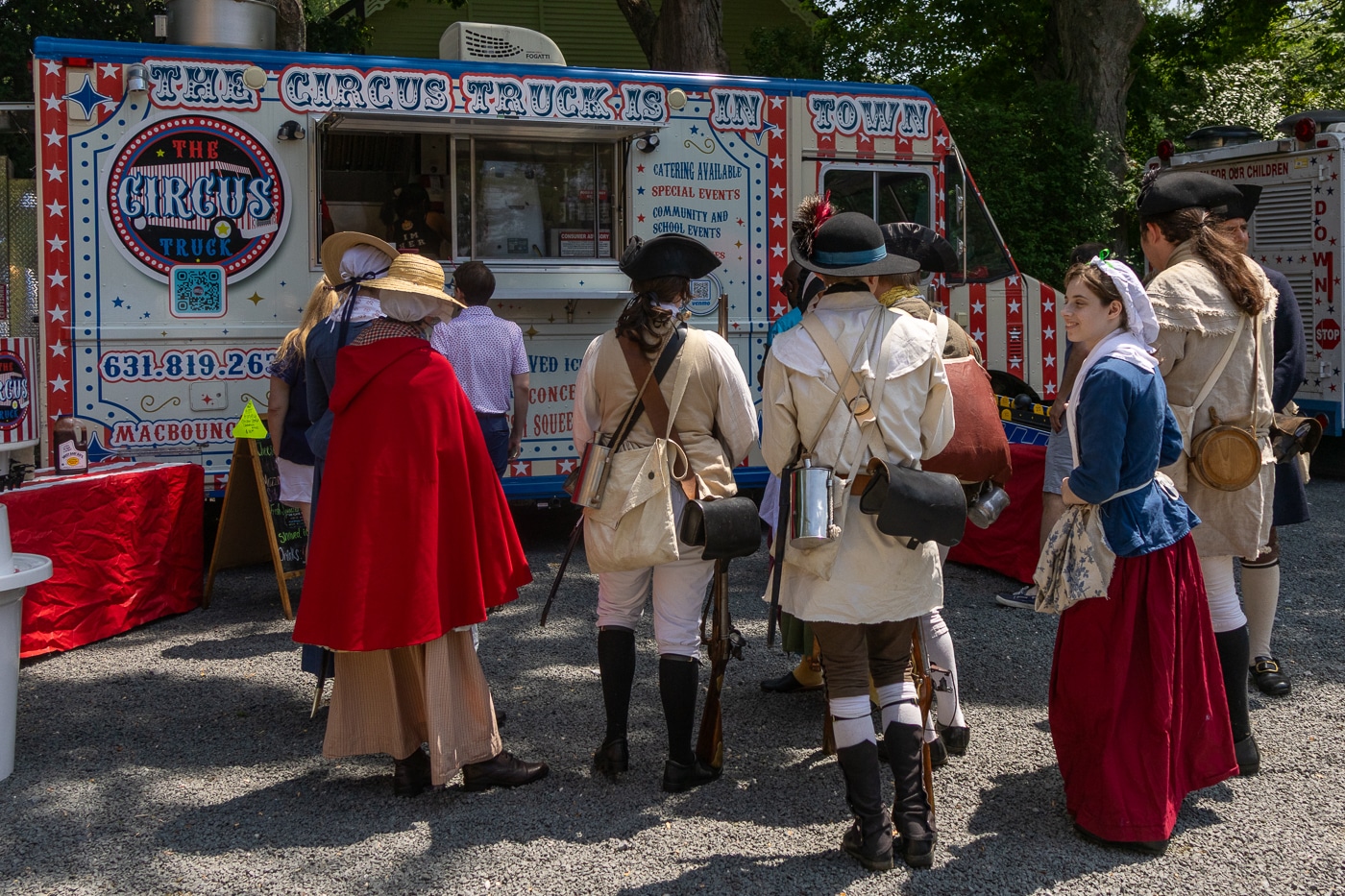
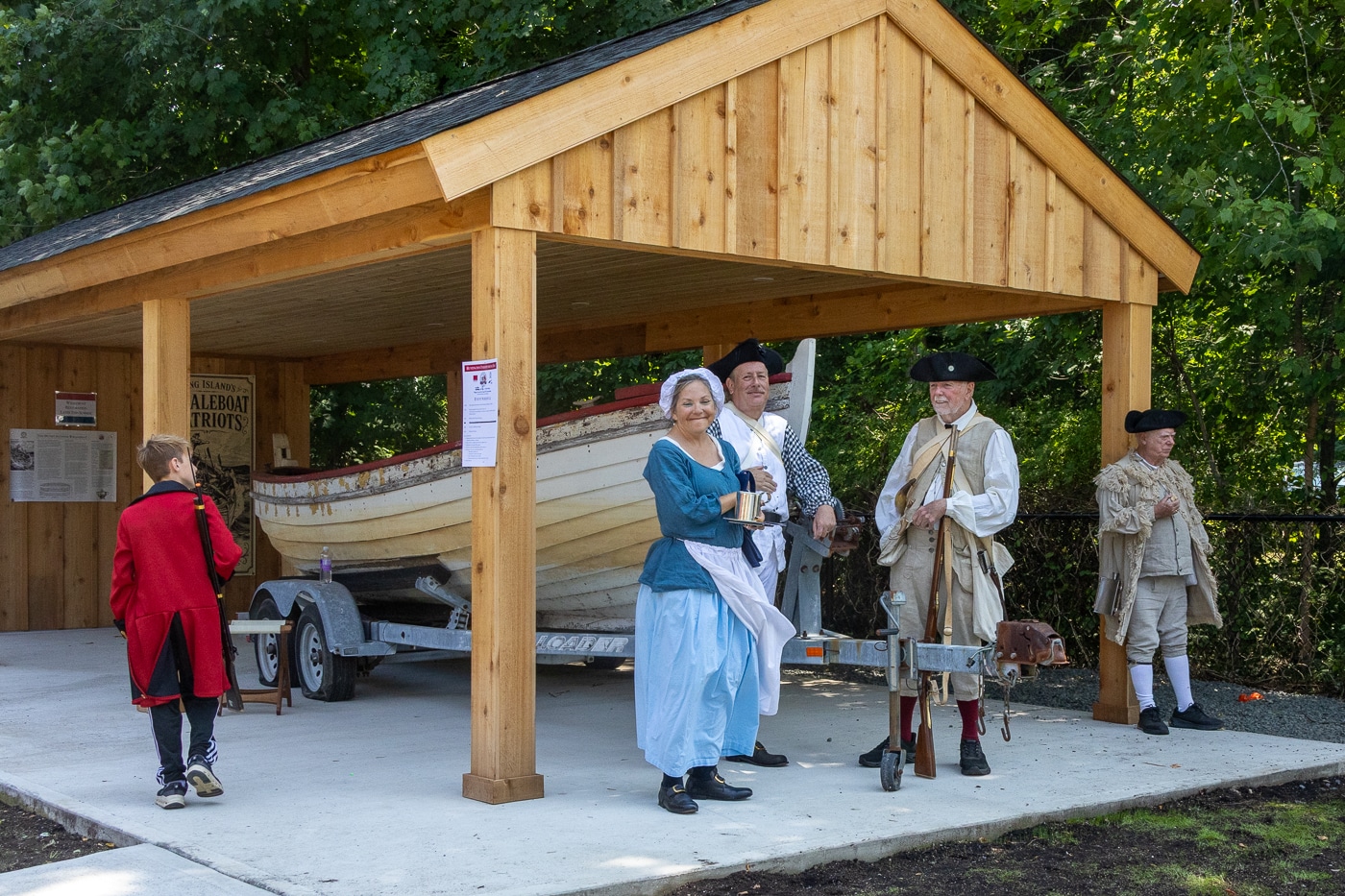
Families filled the Village Green as members of the Ancient and Honorable Order of the Huntington Militia, historical organizations, community volunteers, and the Montaukett Indian Nation joined the Town of Huntington in commemorating the only documented public reading of the Declaration of Independence on Long Island in 1776.
For one afternoon, history wasn’t confined to museum exhibits or textbooks. It was read aloud, acted out, explained, questioned, and experienced.
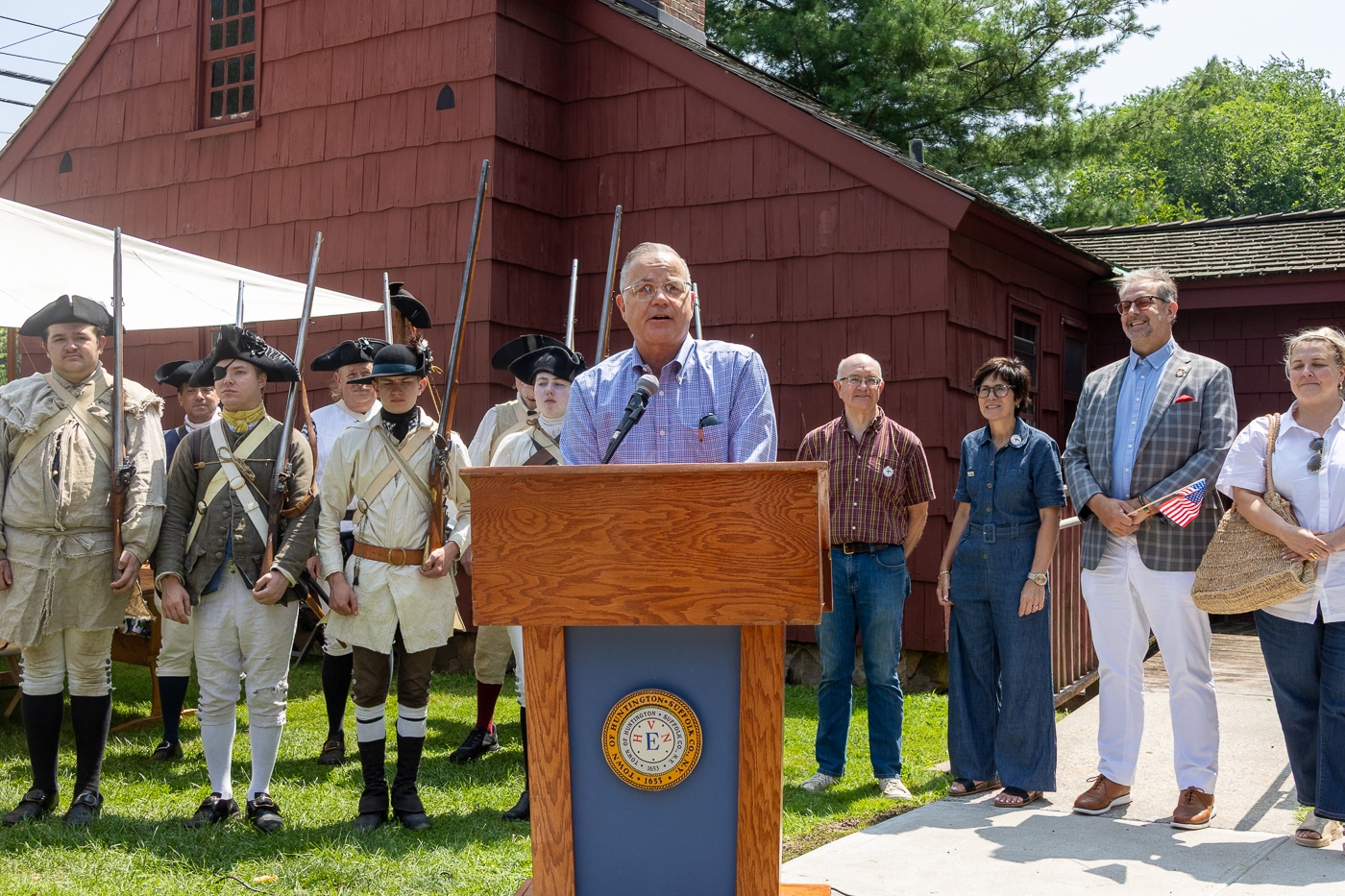
Town Supervisor Ed Smyth welcomed the crowd by explaining why Huntington celebrates later than the traditional Fourth of July observance.
“Today, we celebrate the Declaration of Independence as it arrived here in the Town of Huntington,” Smyth said. “News spread to the Town of Huntington on July 22, 1776, which is why we’re here today.”
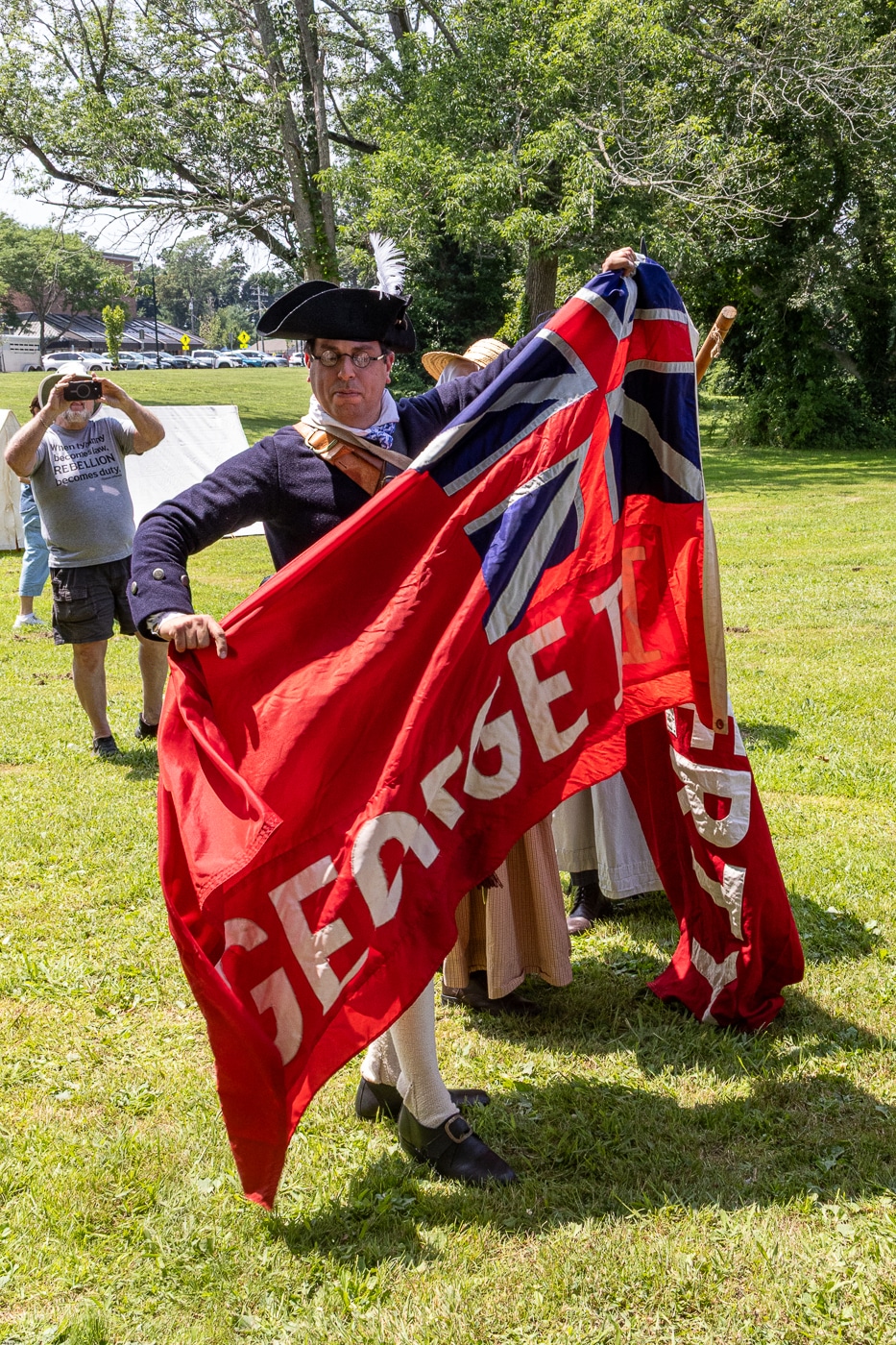
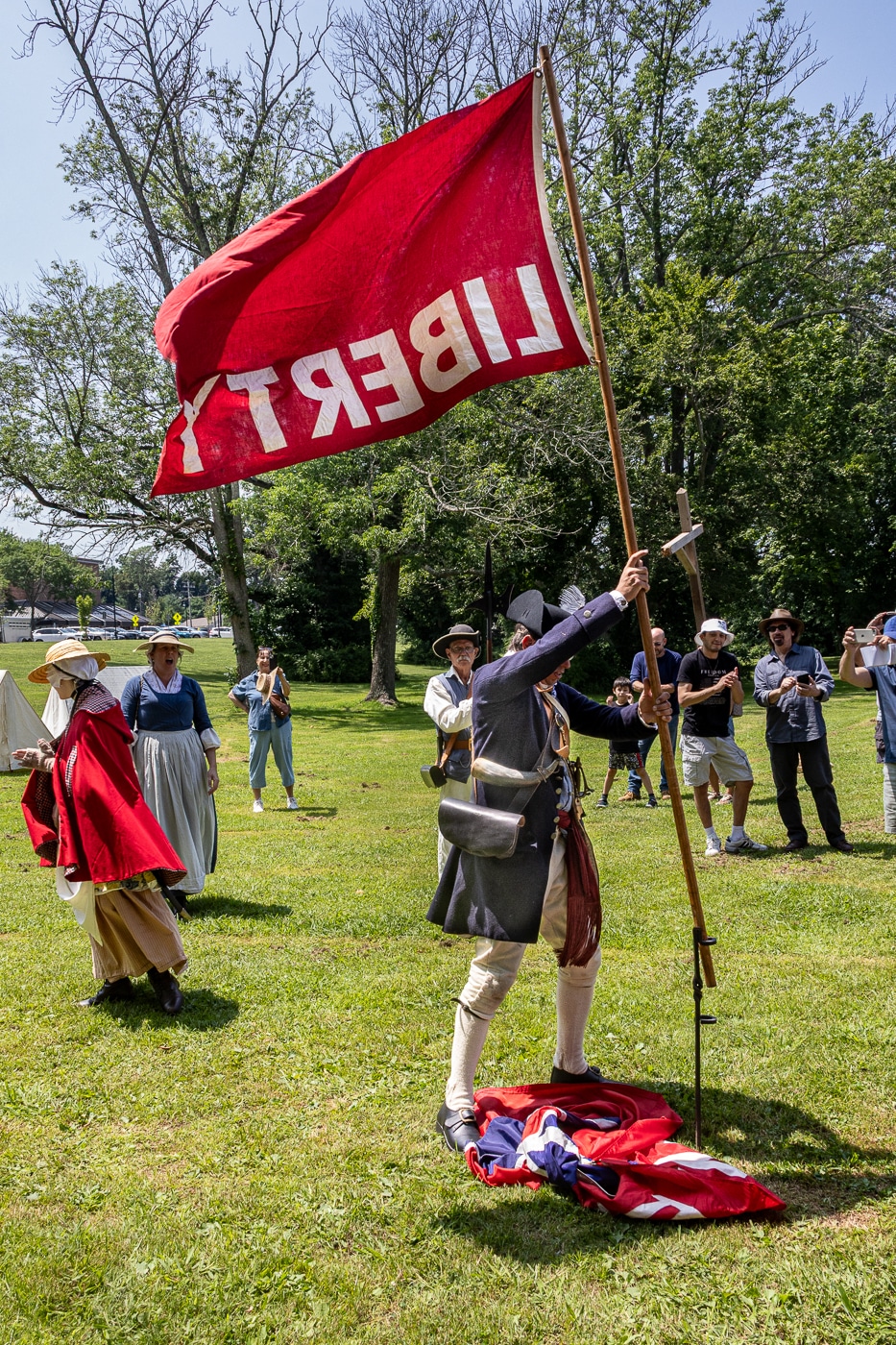
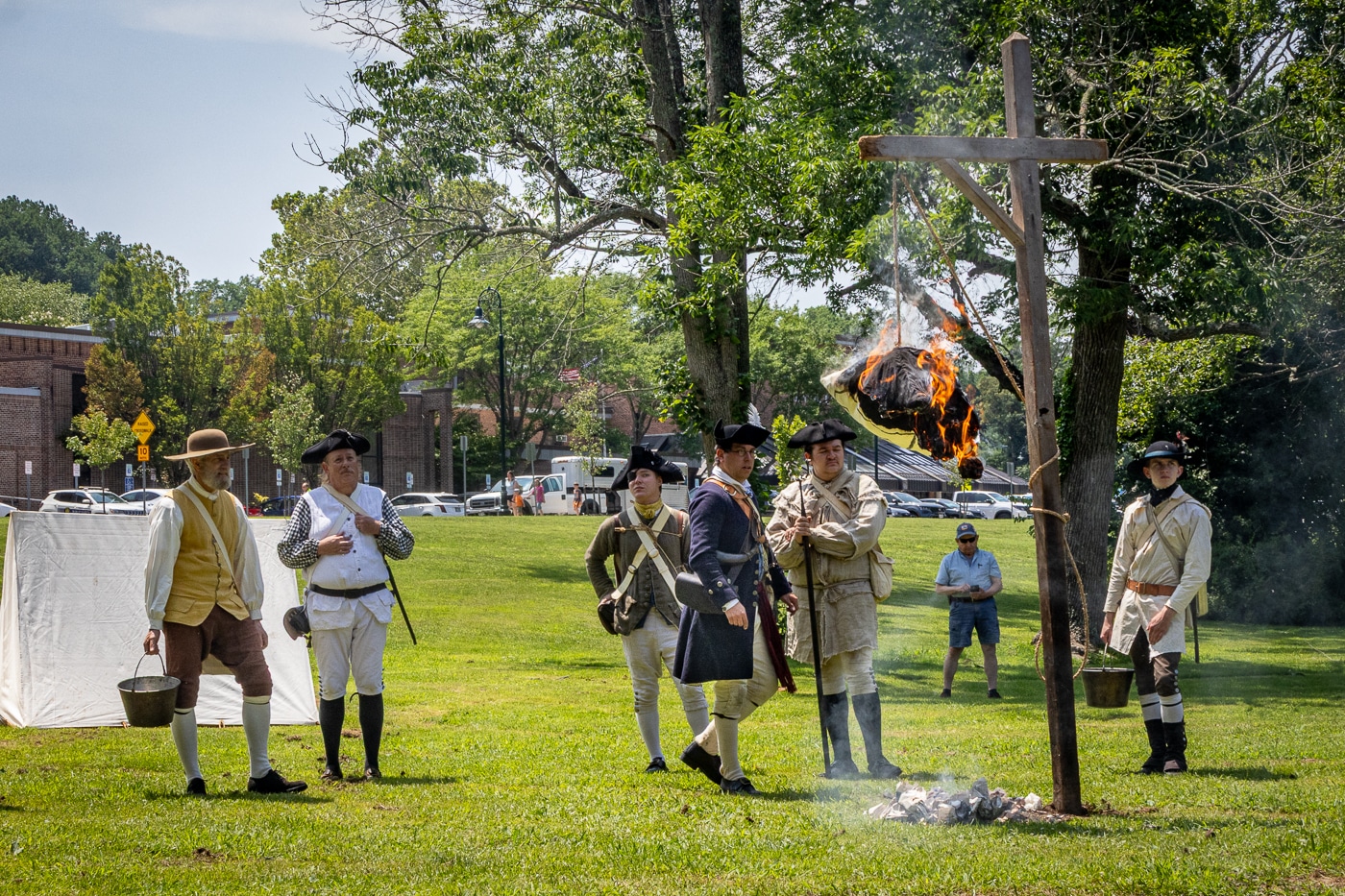
He reminded visitors that Huntington’s celebration didn’t end with the arrival of the news. Residents modified the flag flying over the liberty pole, creating what is now known as the Huntington Liberty Flag, burned an effigy of King George III, and raised thirteen patriotic toasts in honor of the colonies.
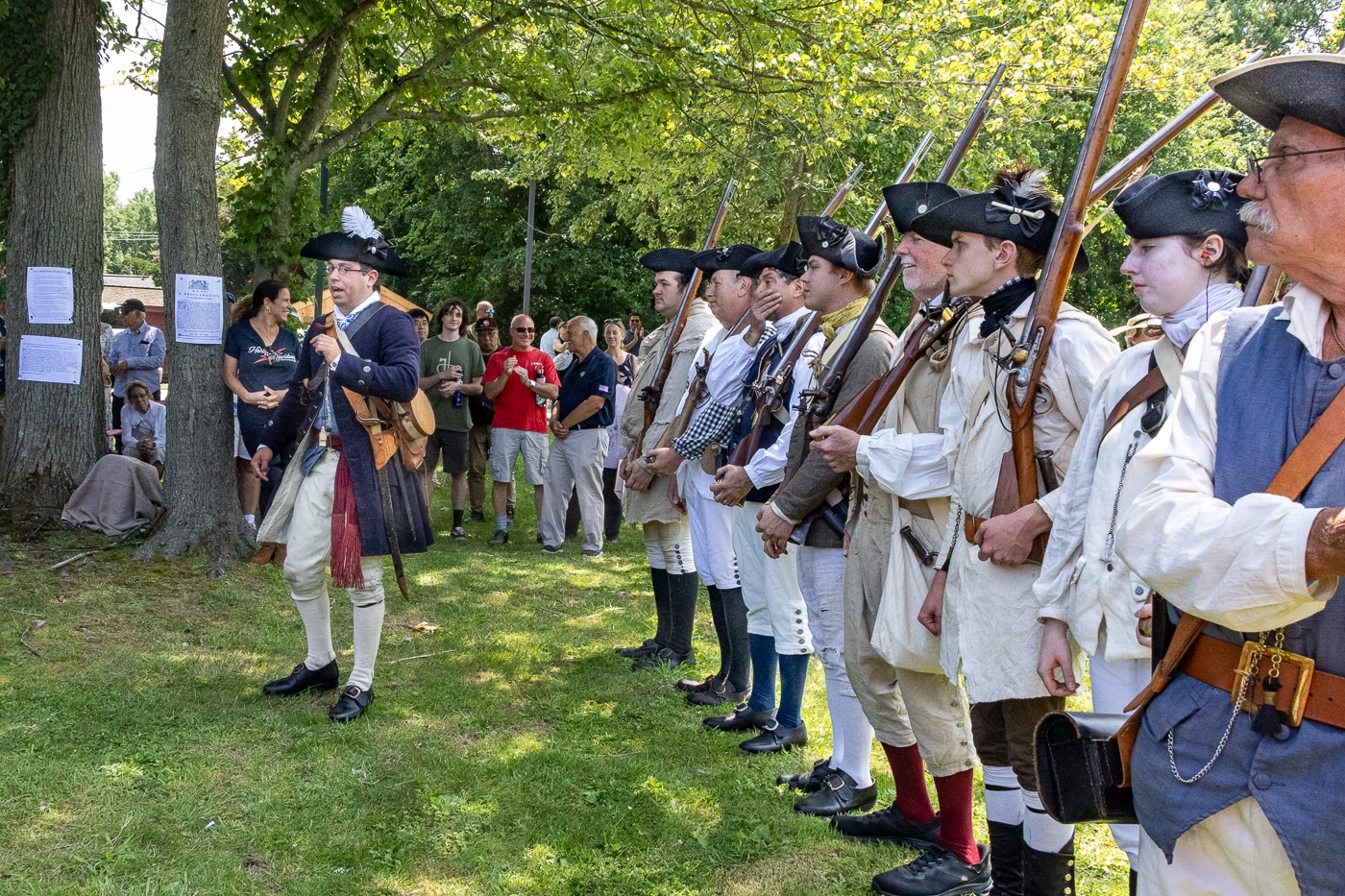
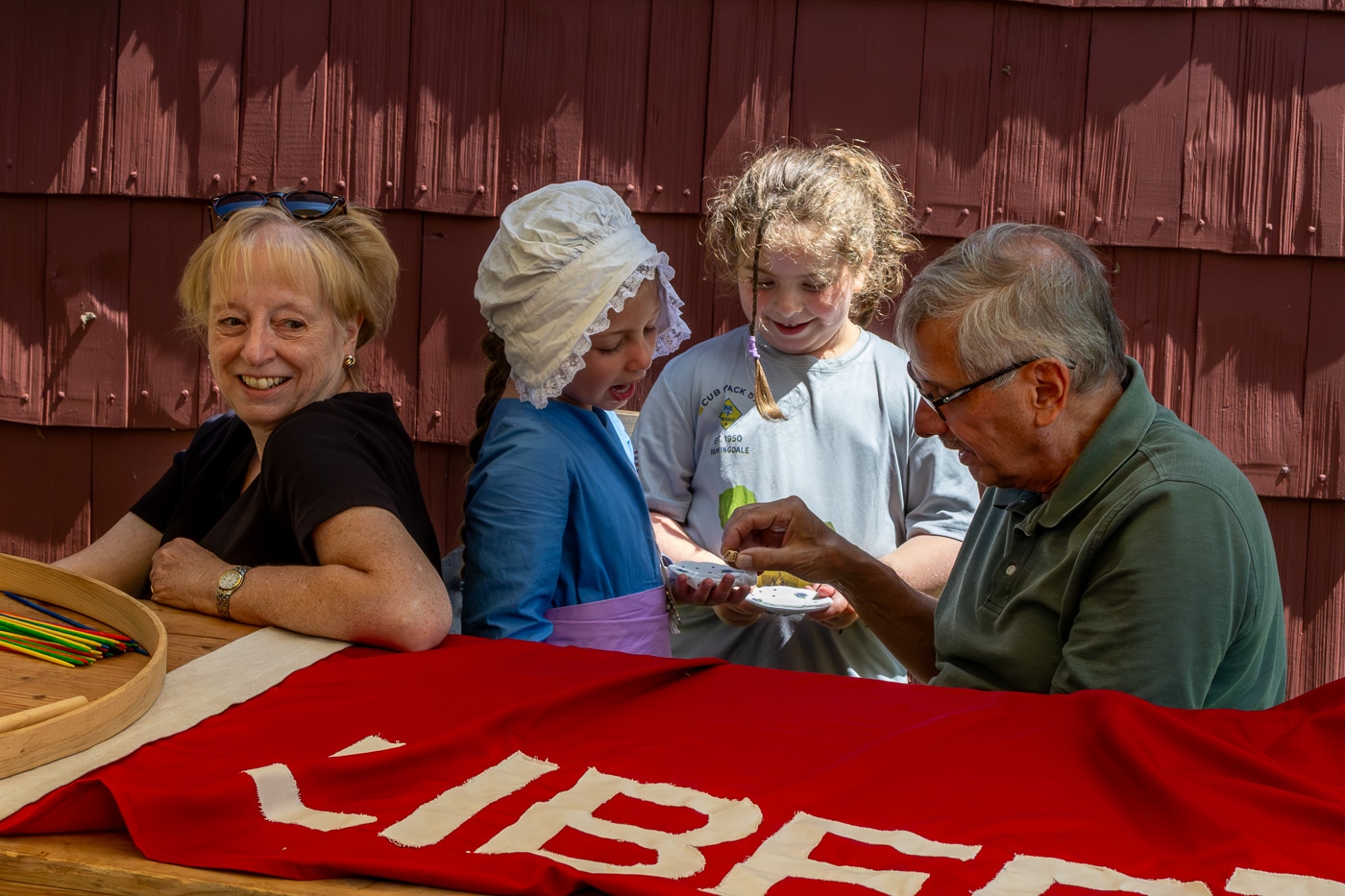
Those moments were recreated throughout the afternoon by the Huntington Militia, while visitors were invited to help sew a commemorative Liberty Flag marking America’s 250th anniversary.
A Day 250 Years in the Making
Town Historian Robert Hughes explained why Huntington’s annual commemoration holds a unique place in Revolutionary War history.
“This is an event 250 years in the making,” Hughes told the crowd.
He explained that while most Americans celebrate Independence Day on July 4, Huntington marks July 22 because that was the day news of the Declaration reached the Town and was publicly shared with residents on the Village Green.
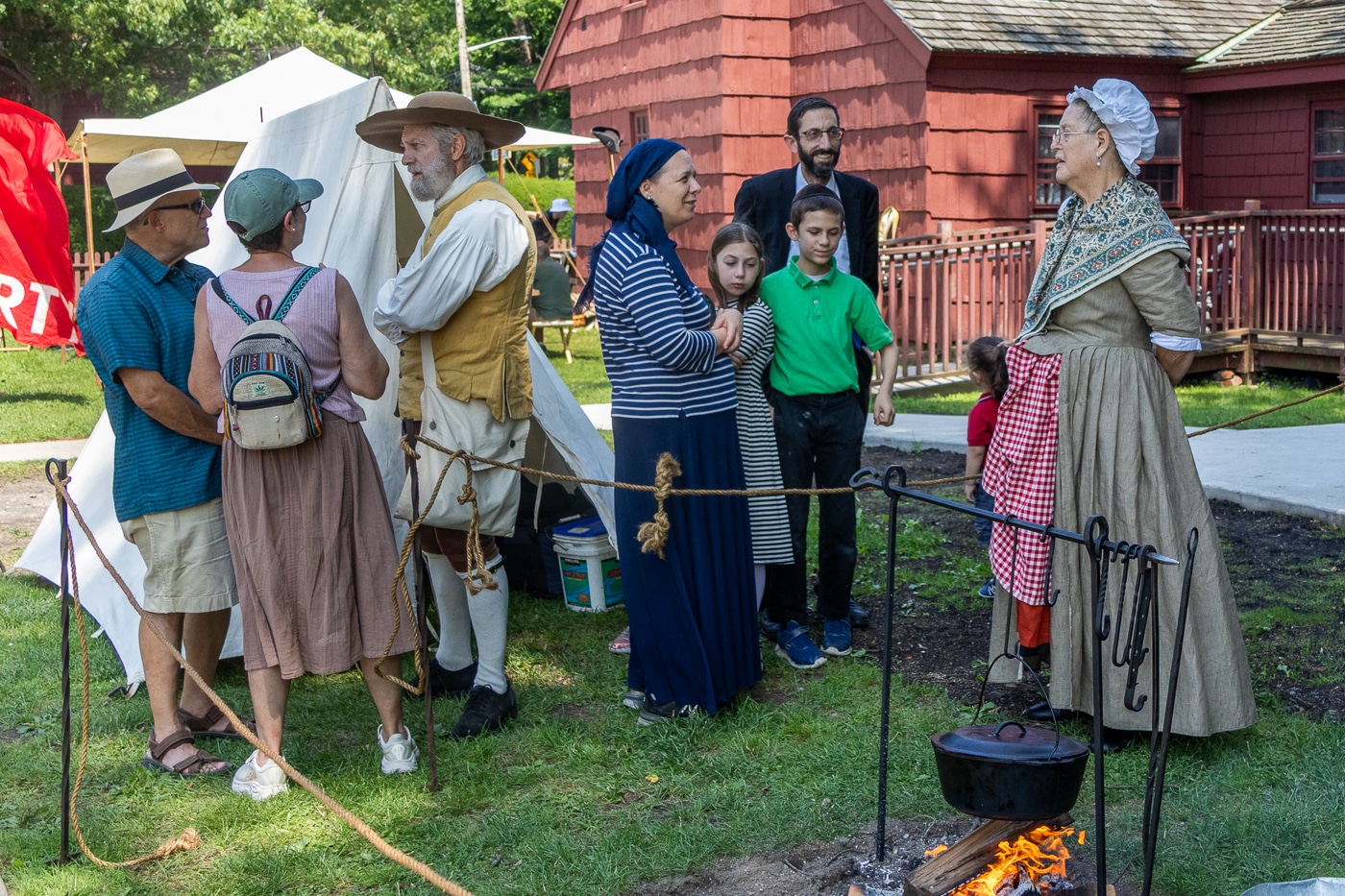
Hughes encouraged visitors to spend time with the reenactors.
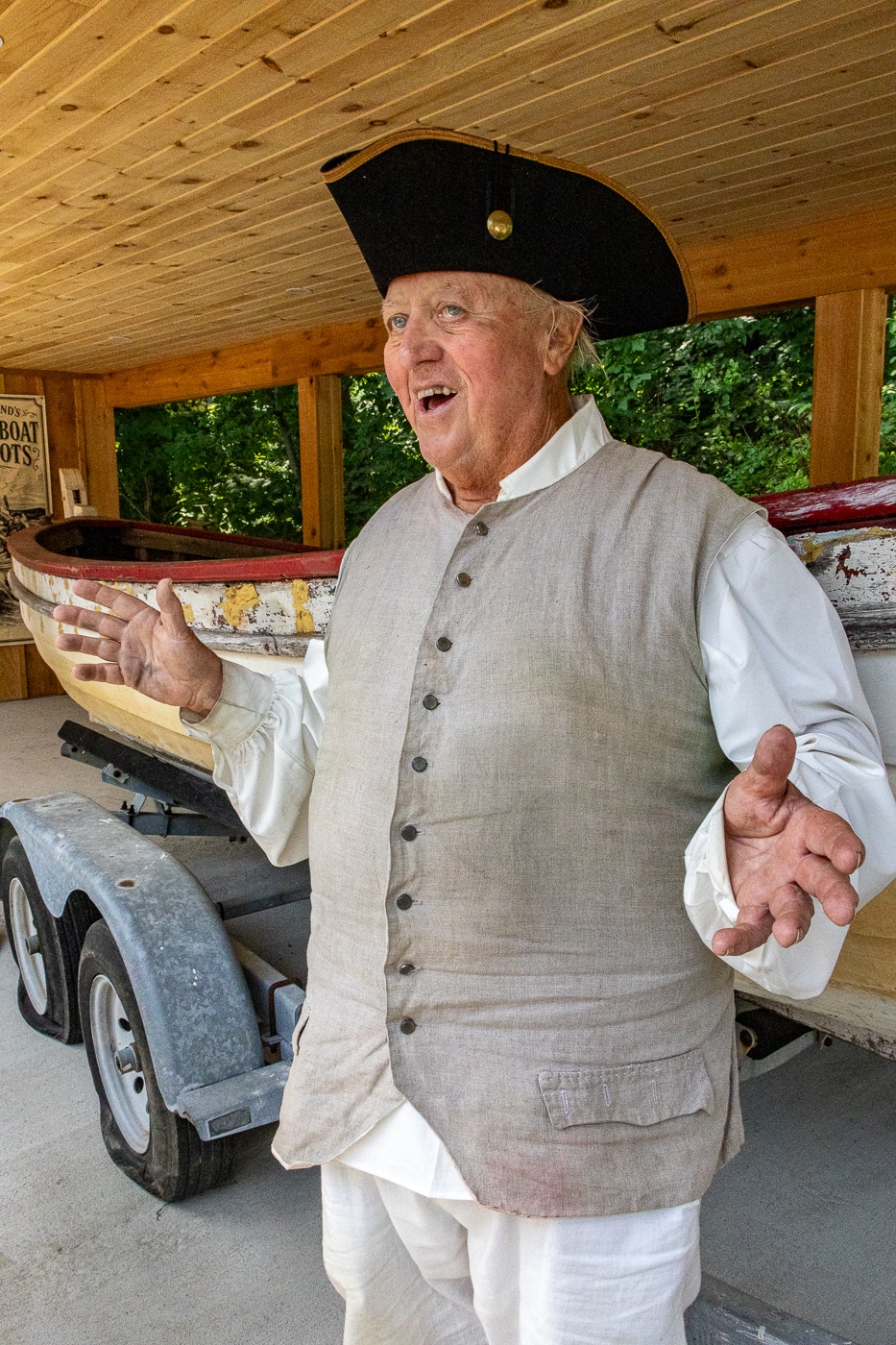
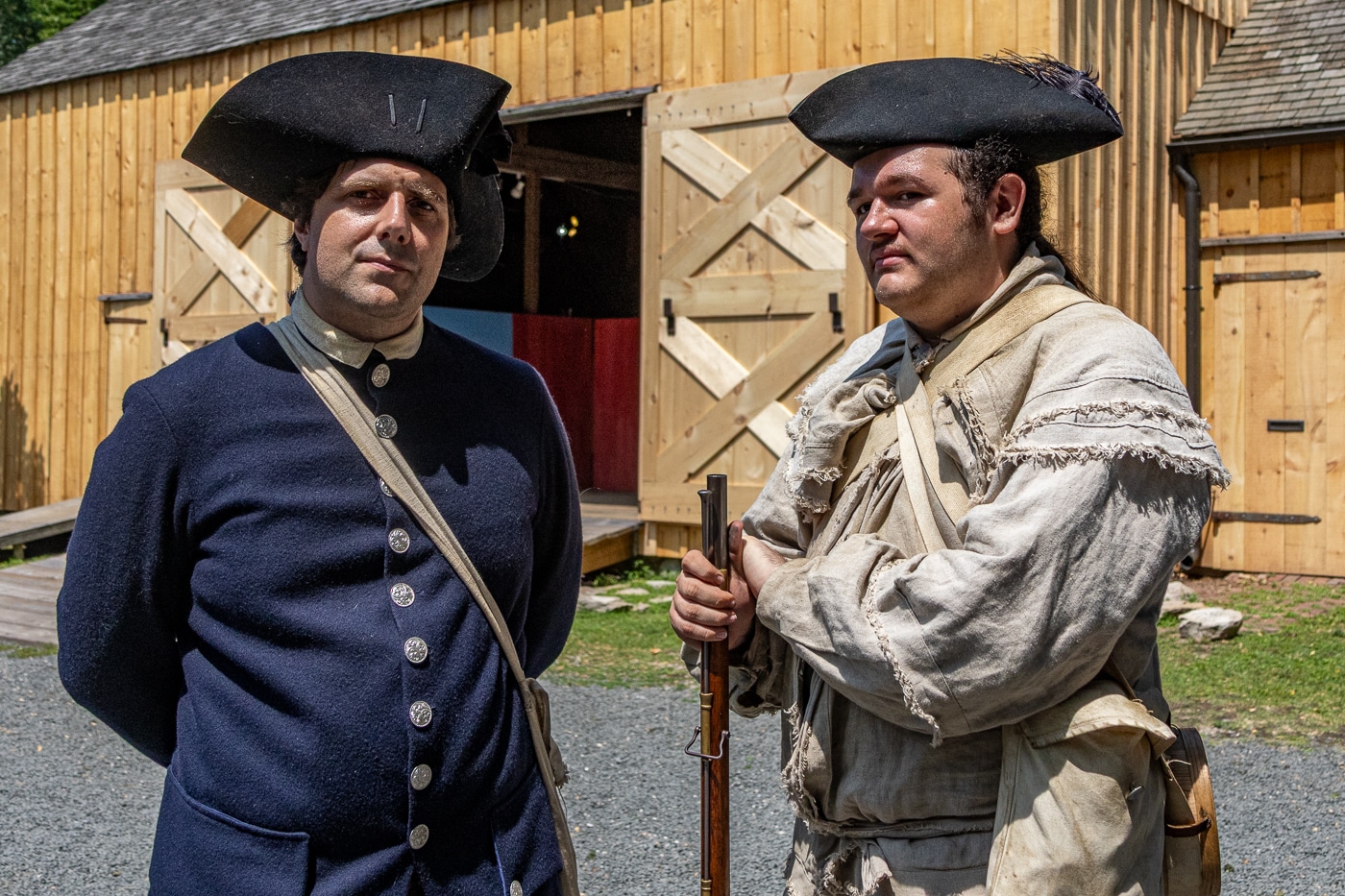
“The Huntington Militia are wonderful educators,” he said. “They study for hours and hours. Their dress is authentic. Their explanation of life in the eighteenth century is authentic. Ask them questions – they’re happy to answer them.”
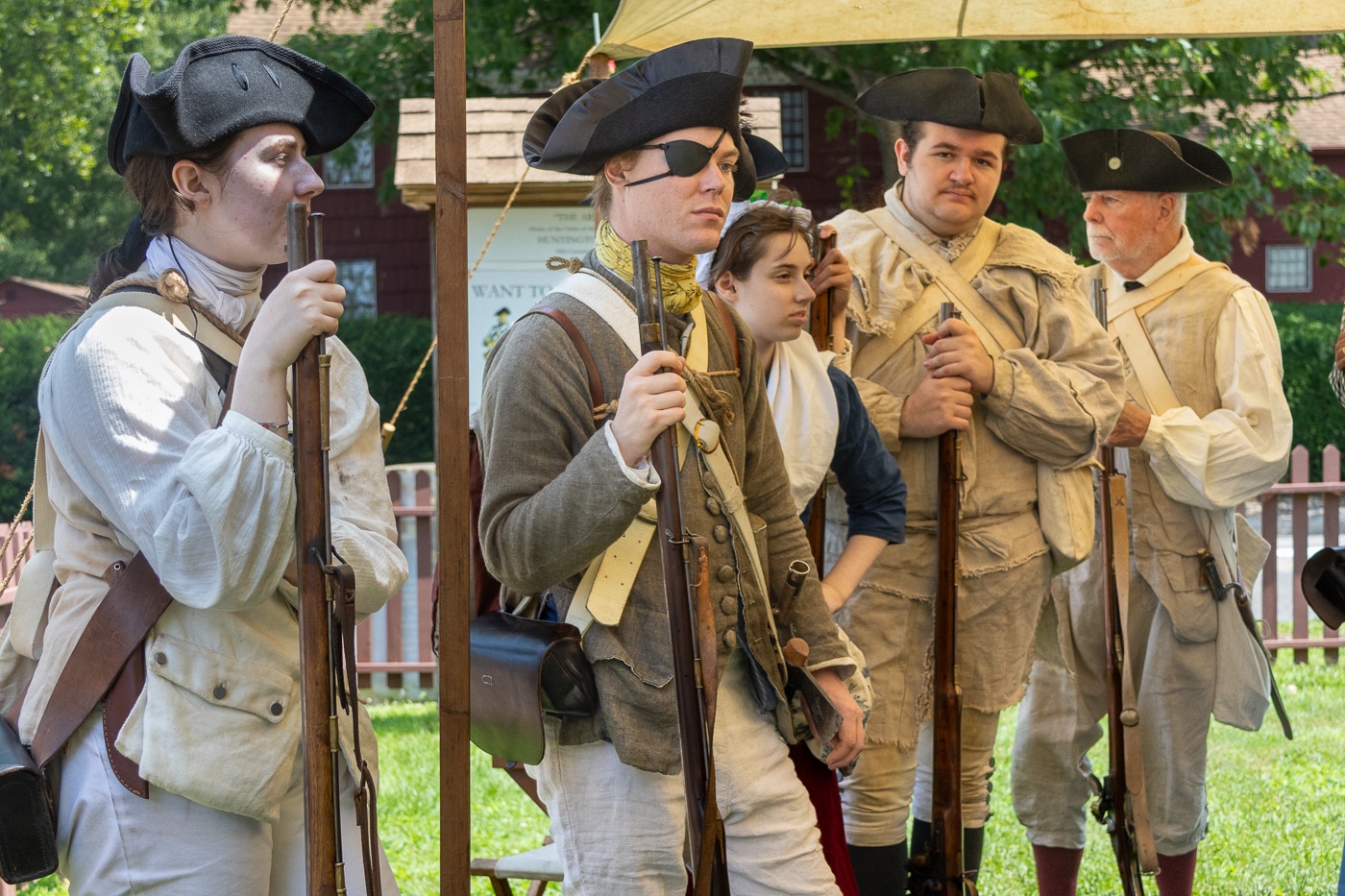
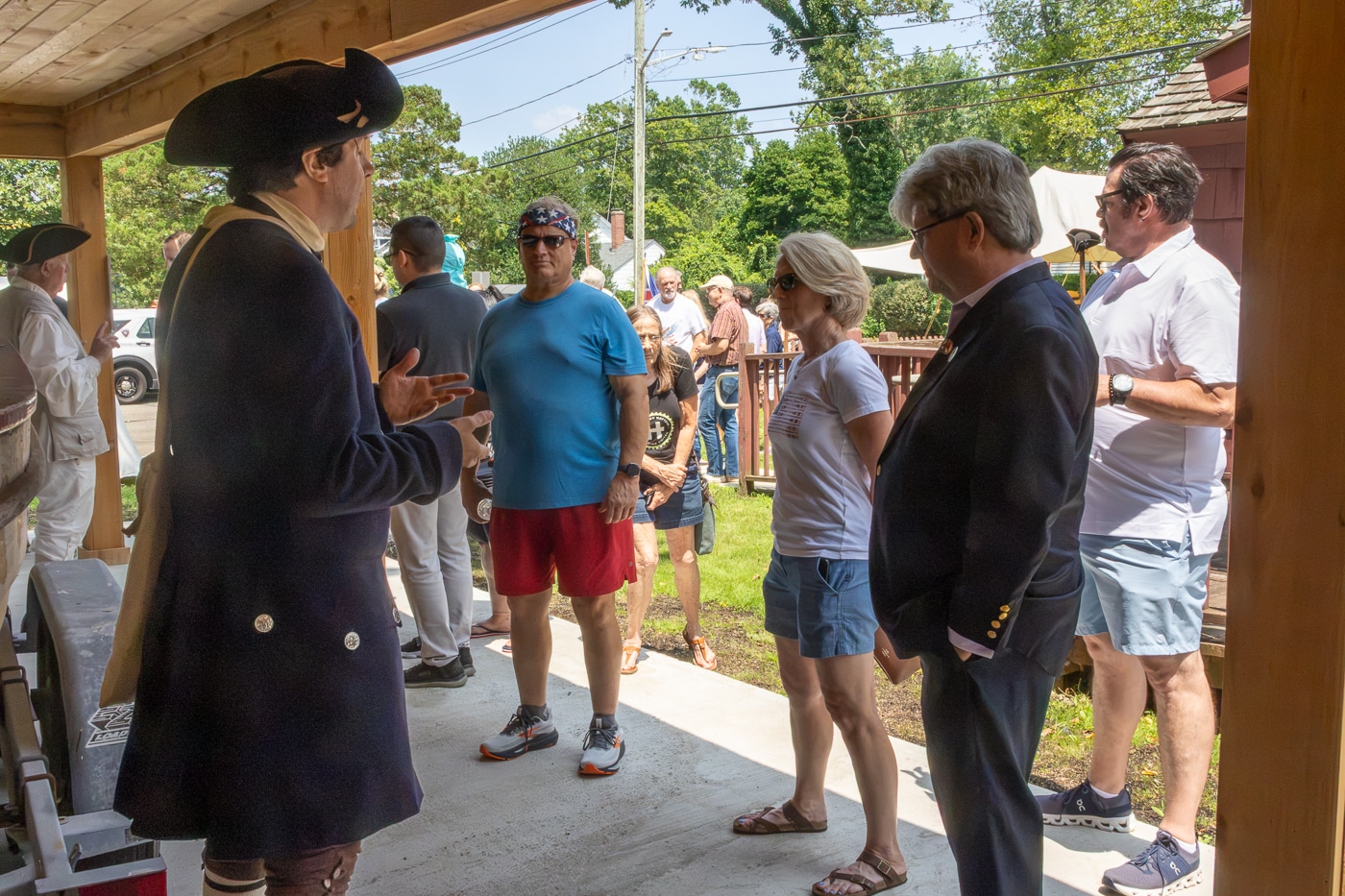
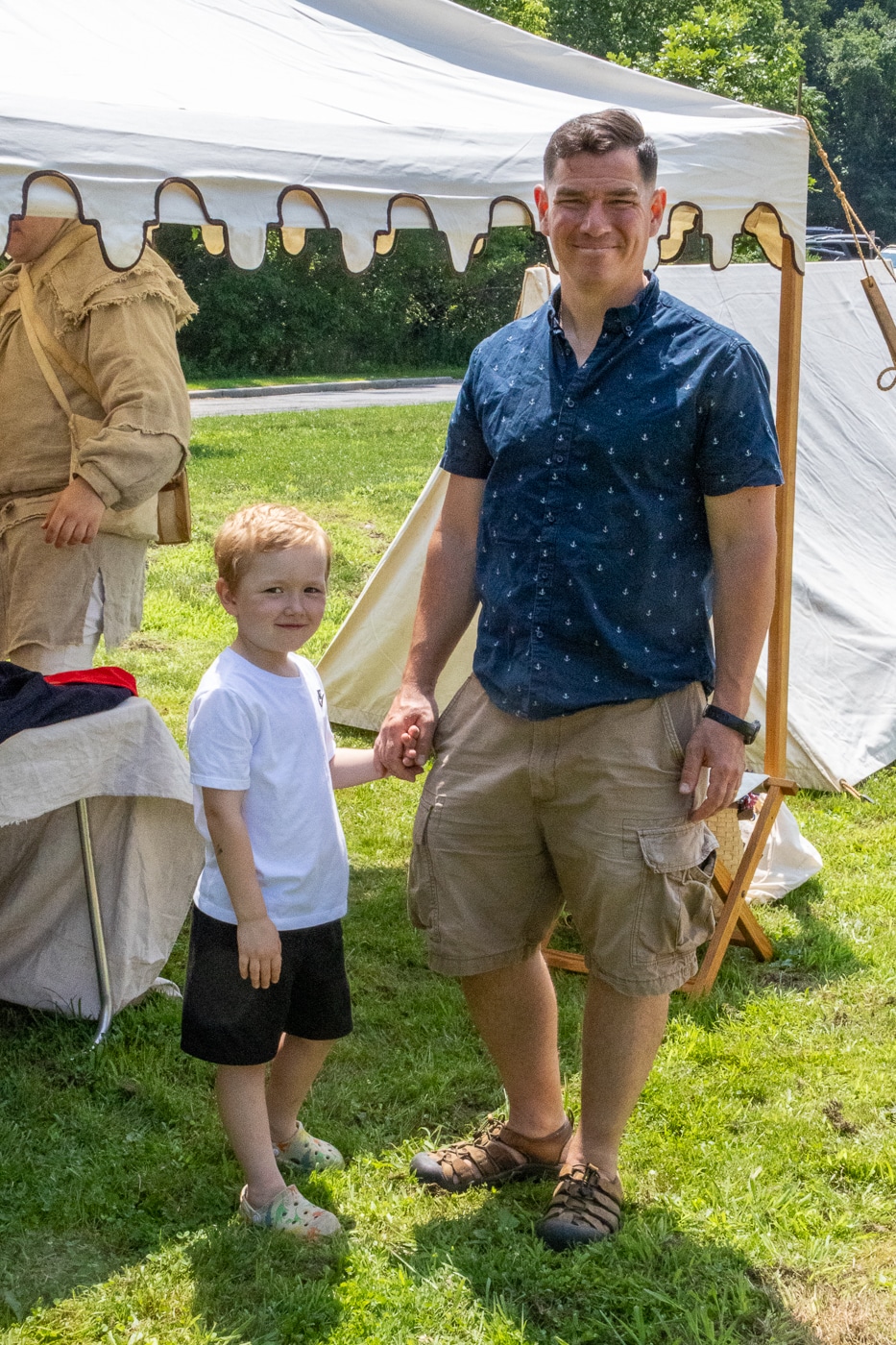
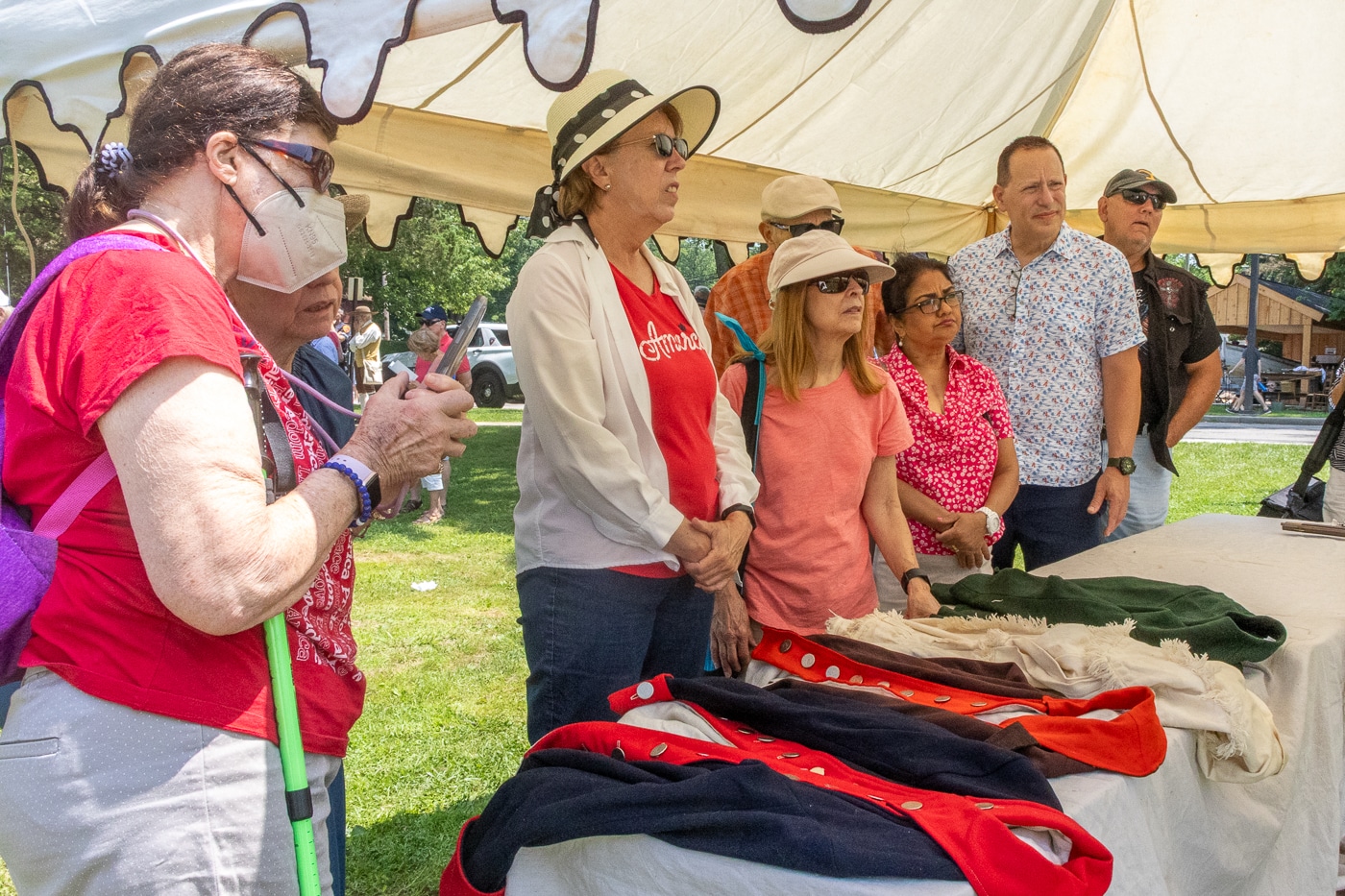
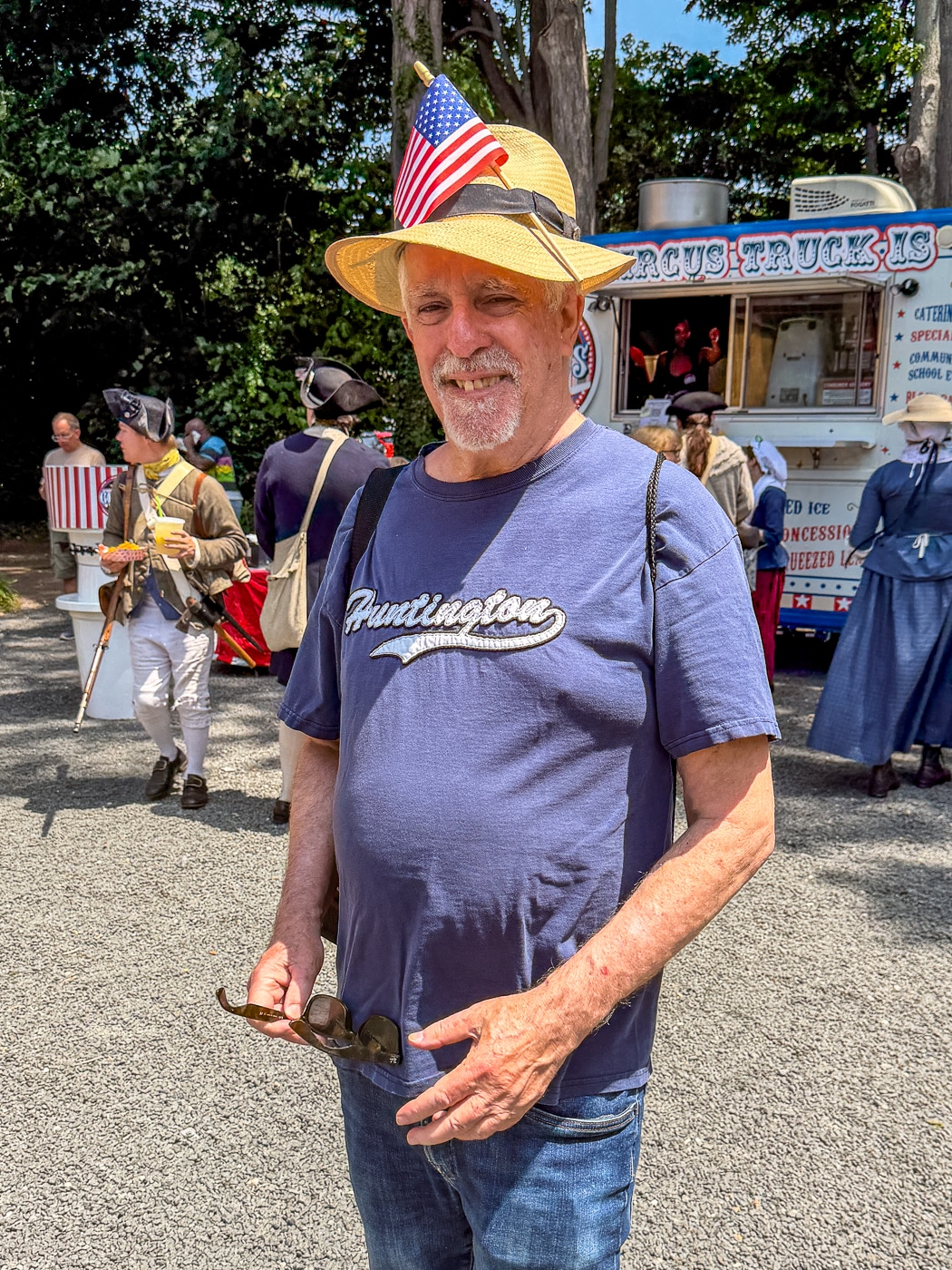
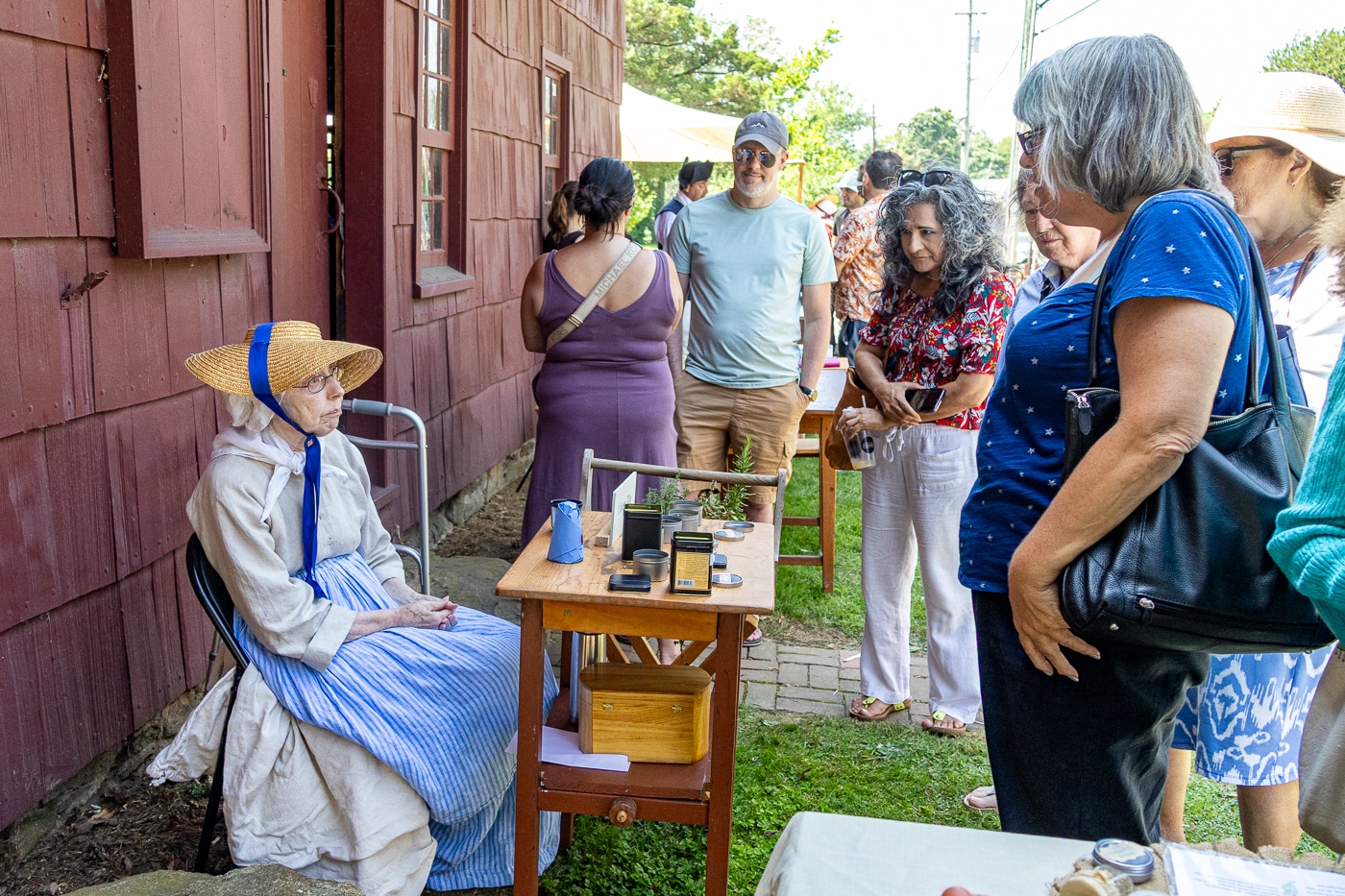
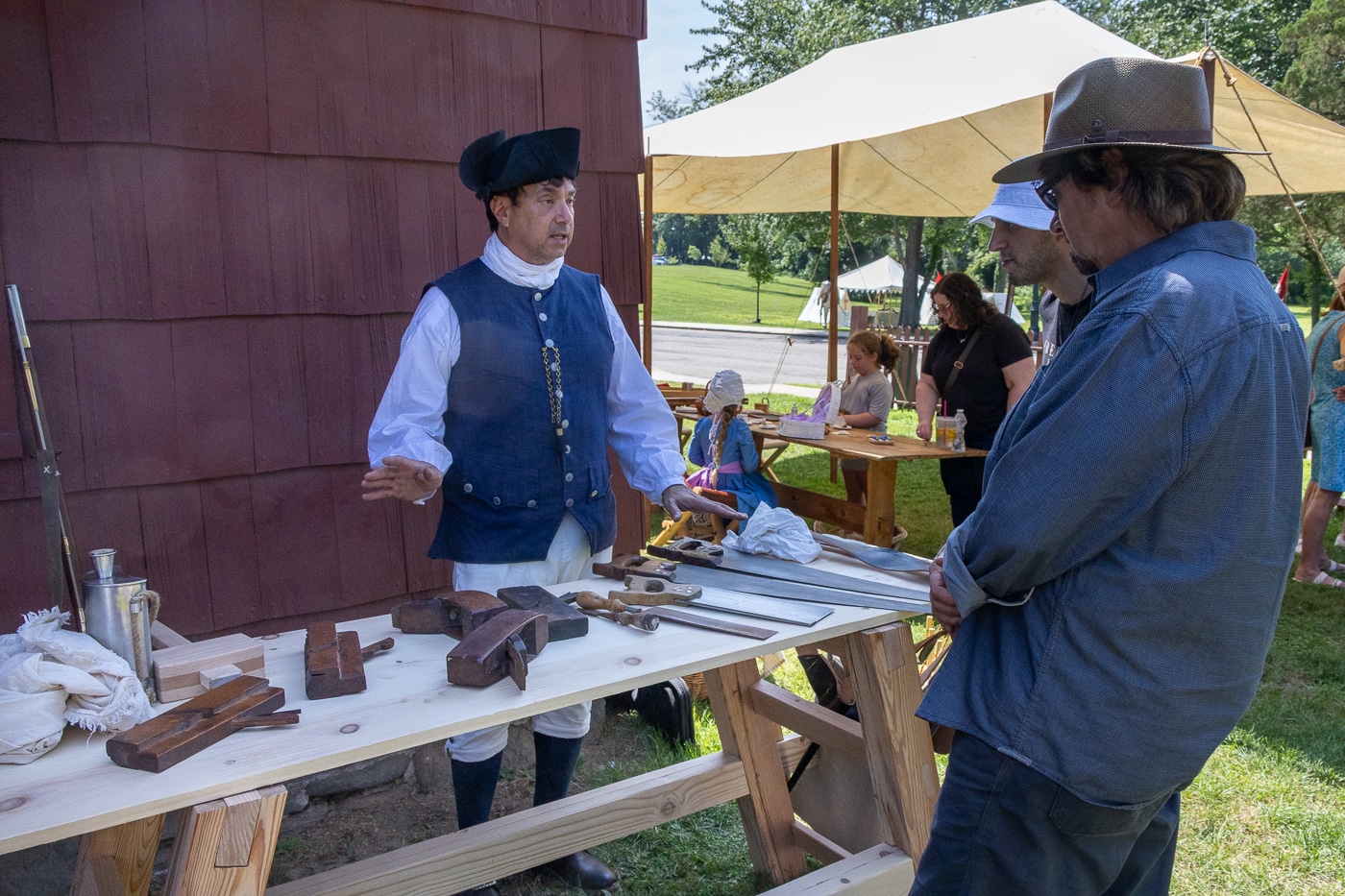
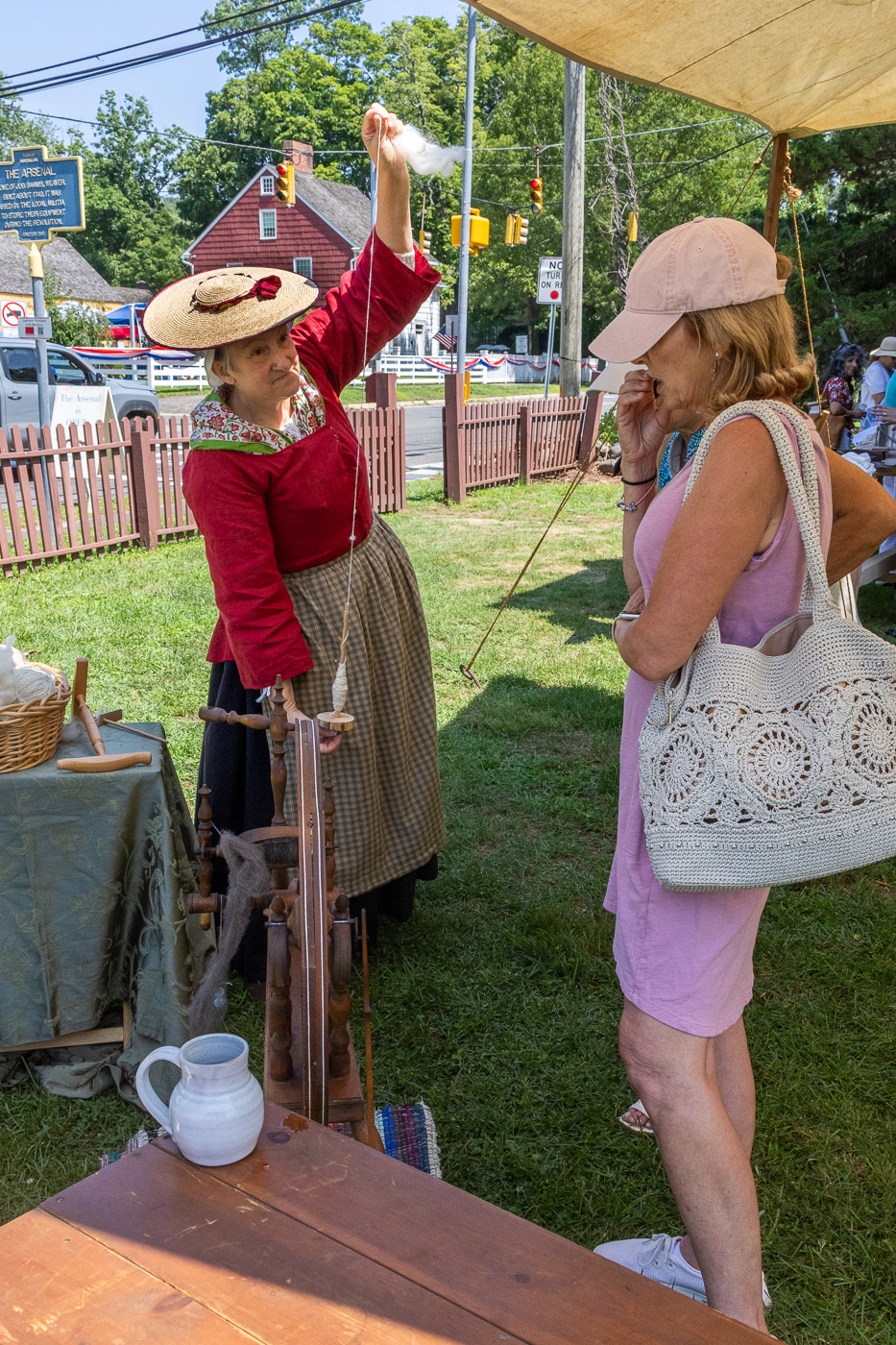
That invitation was quickly accepted as families wandered through the encampment, speaking with volunteers demonstrating everything from military equipment to colonial domestic life.
Keeping History Alive
For many of the volunteers, participating isn’t simply a hobby – it’s a passion for preserving history.
Militia volunteer Vinnie Denardo said seeing reenactors years ago inspired him to eventually join their ranks himself.
“I saw them in action many, many years ago at Old Bethpage,” he said. “I said, ‘You know something? I’ve done a lot of other things. I have to do this.'”
Volunteer Regina, who portrays a colonial resident, said patriotism and community drew her to the organization.
“I feel like a very patriotic person,” she said. “I really admire the work that the militia has done, and I wanted to expand my network of people that had the same interests as me.”
Still learning colonial skills herself, Regina said she’s looking forward to learning sewing and becoming more comfortable around horses.
“It’s a lot of fun,” she said. “Great people here.”
For militia volunteer Greg Gollatz, the experience is also a family tradition.
“My parents participated in one in 1976,” he recalled of the nation’s Bicentennial celebration. “I was eight years old, so I had my own little costume. My mother learned quilting, and my father learned blacksmithing and pewtersmithing.”
Fifty years later, he’s continuing that tradition by helping bring Revolutionary history to life for a new generation.
Even the opposing side had its place.
Volunteer Michael Goudket, portraying a British Loyalist, delighted spectators by shouting “Long live the King!” before being confronted and escorted away by Patriot reenactors.
“I’m loyal to His Majesty,” he joked afterward. “I do this every year.”
More Than Muskets
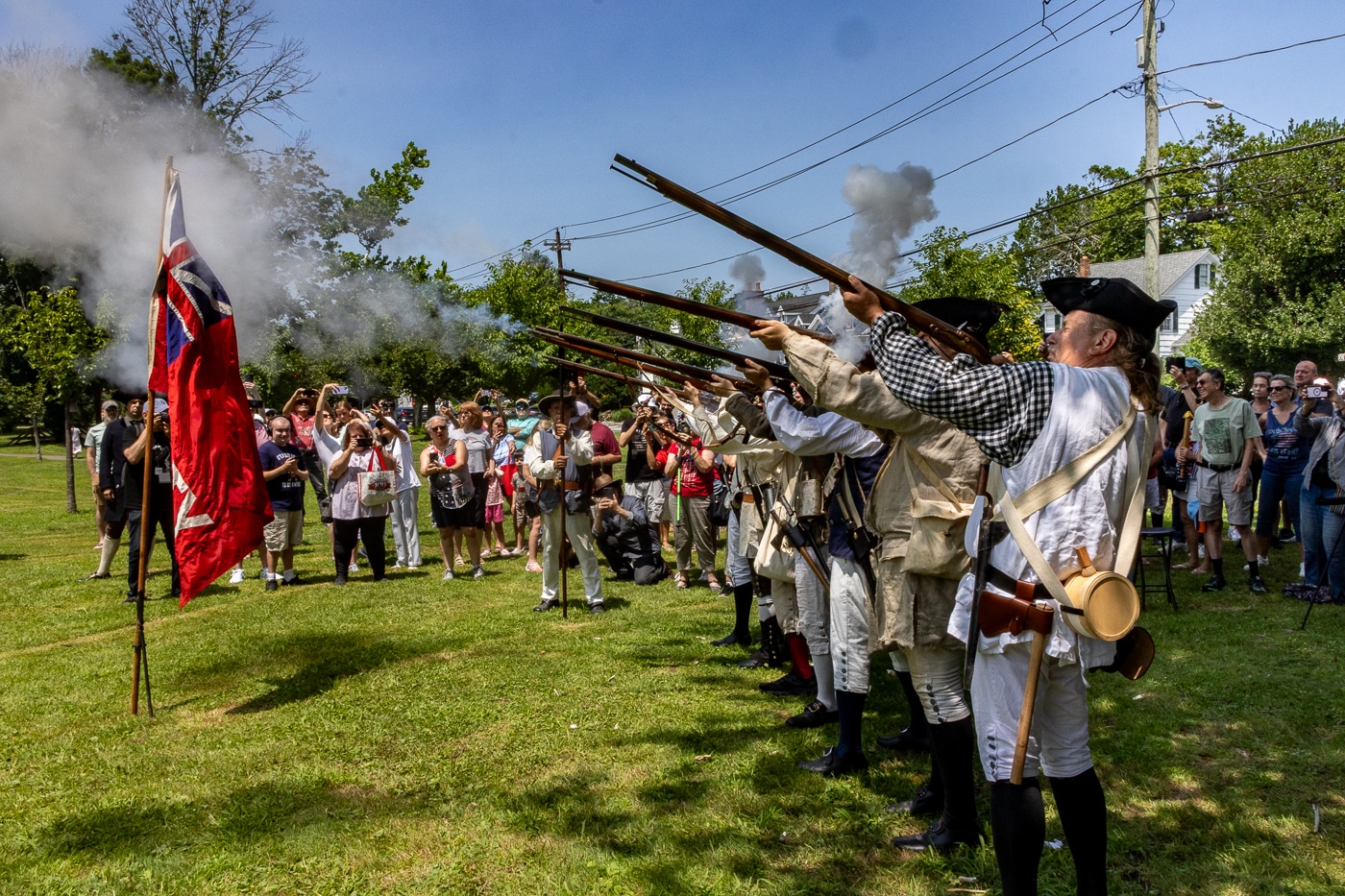
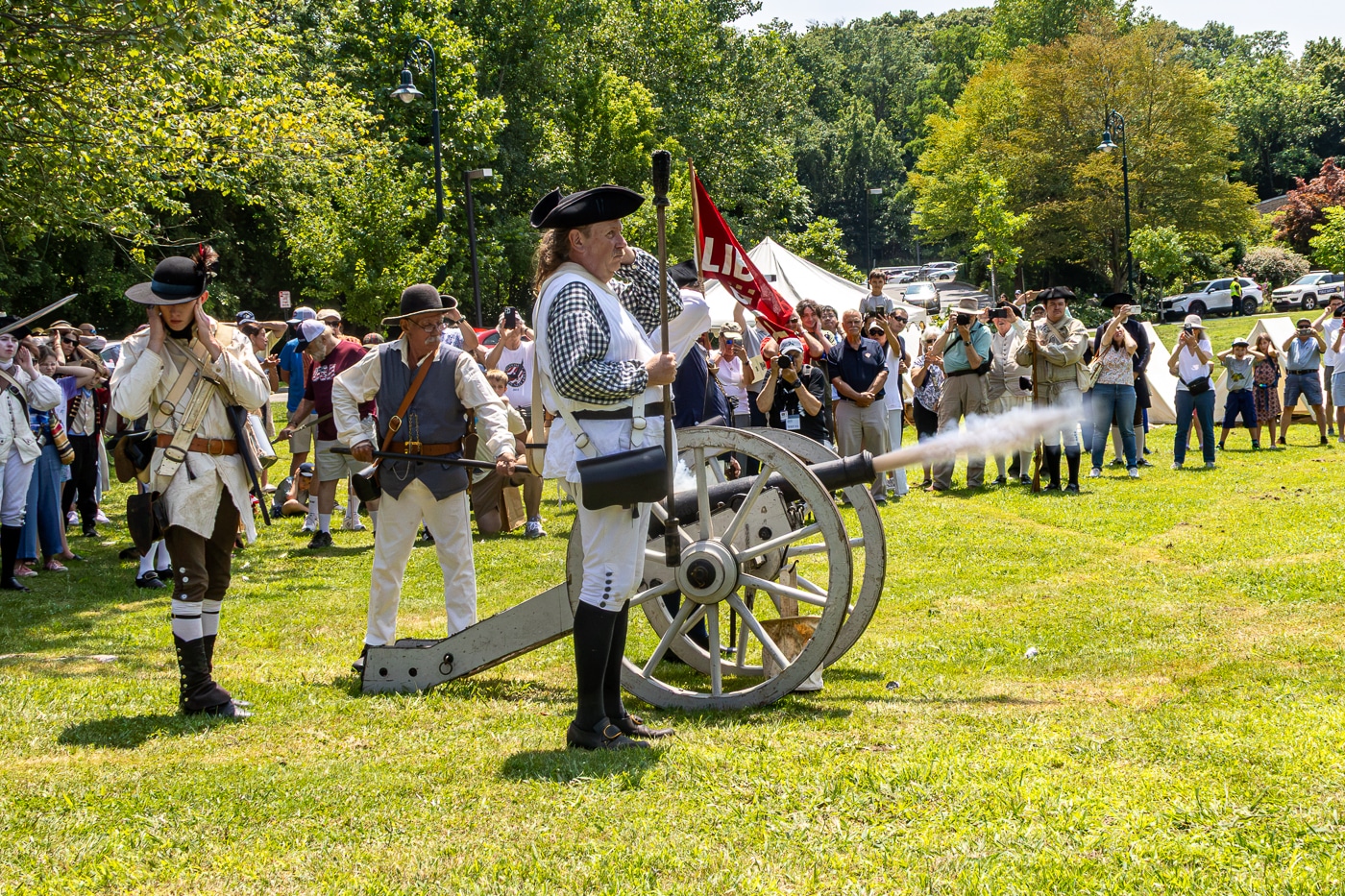
Throughout the afternoon, militia members demonstrated Revolutionary War weapons and explained that the musket itself wasn’t always a soldier’s greatest advantage.
One reenactor pointed to the bayonet fixed to the end of the firearm and explained that it often became the most important part of the weapon. Muskets could misfire, become difficult to reload under battlefield conditions, or prove unreliable in poor weather. When that happened, bayonet charges often determined the outcome of close combat, especially during the early years of the Revolutionary War.
The demonstrations gave visitors a better understanding of what eighteenth-century soldiers actually experienced beyond what is often portrayed in movies.
Reliving July 22, 1776
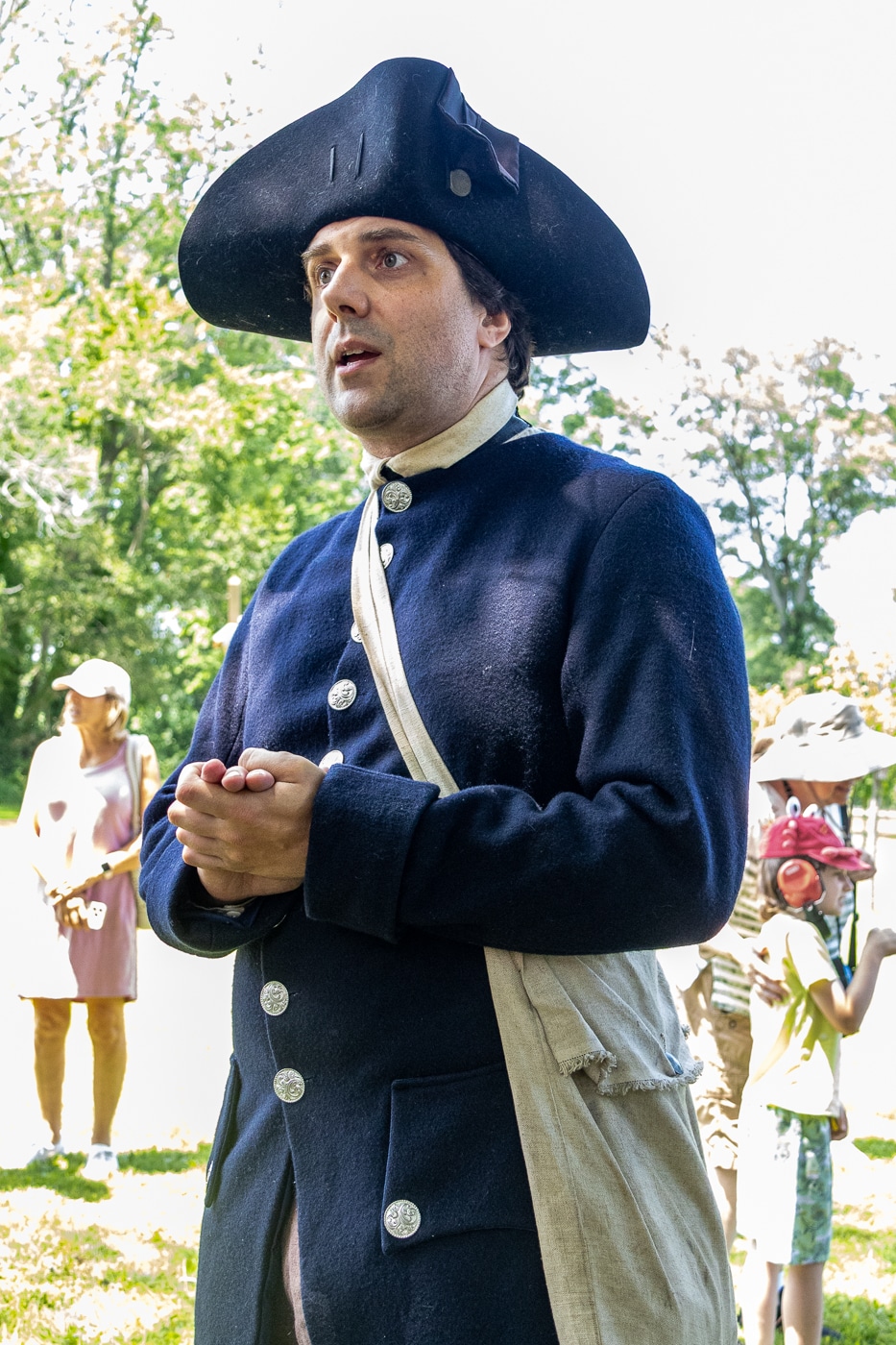
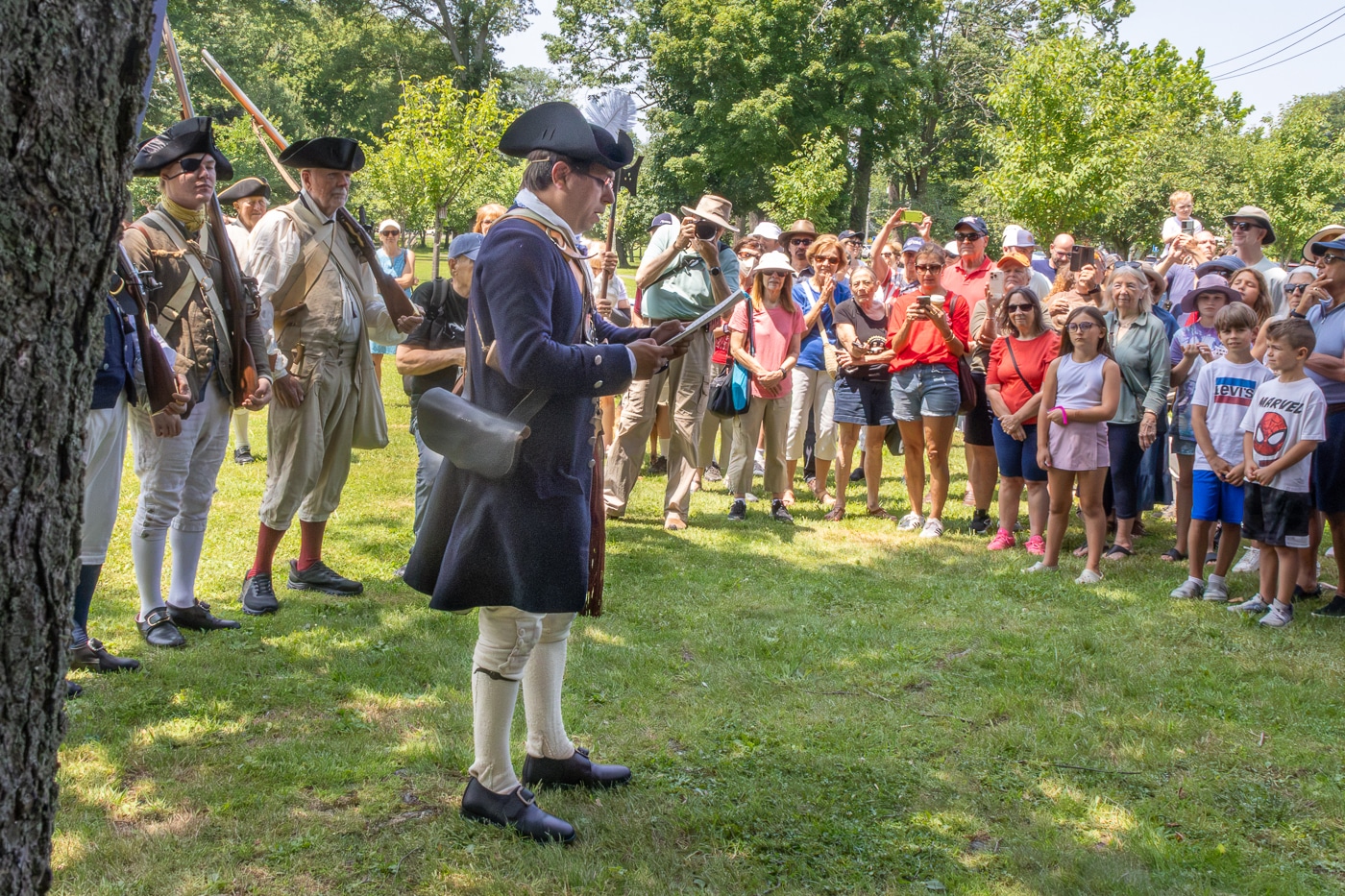
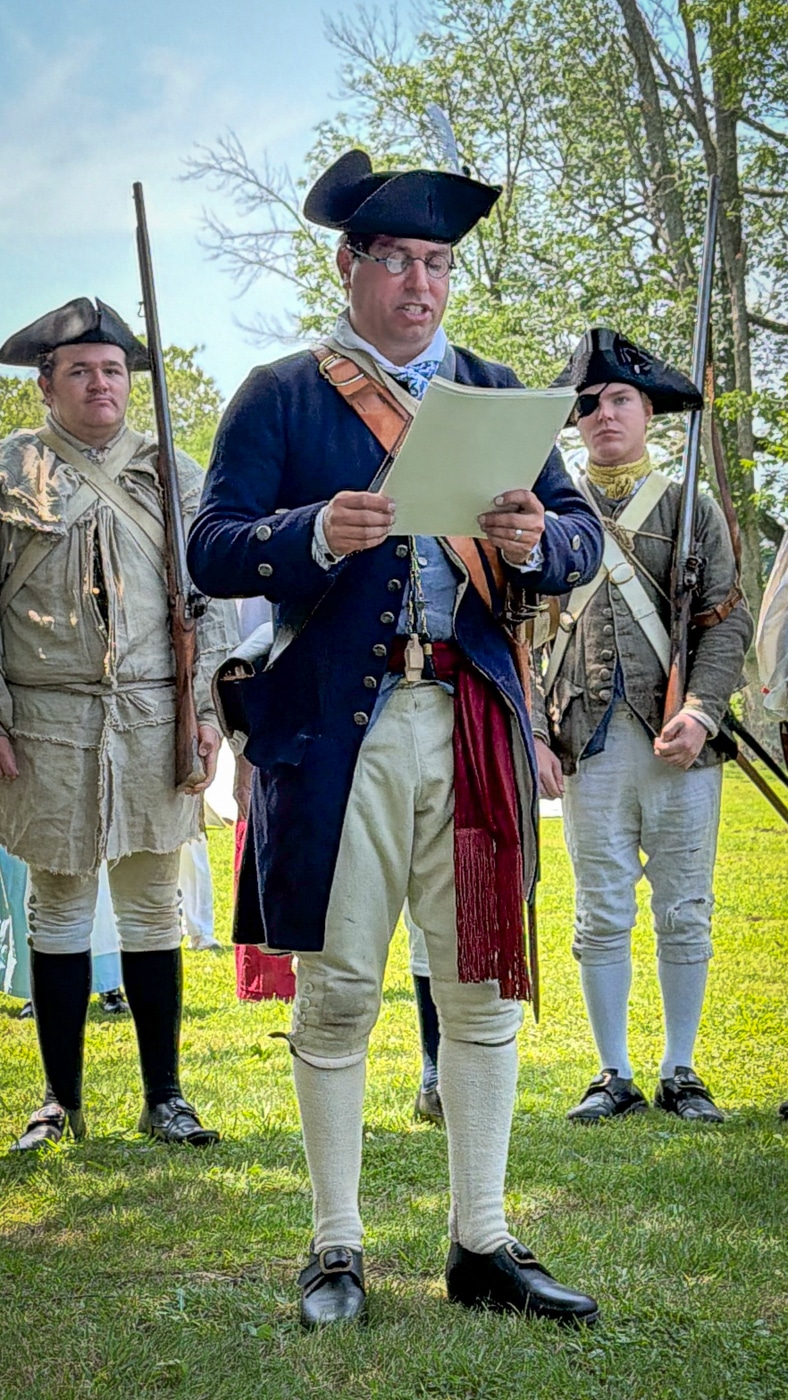
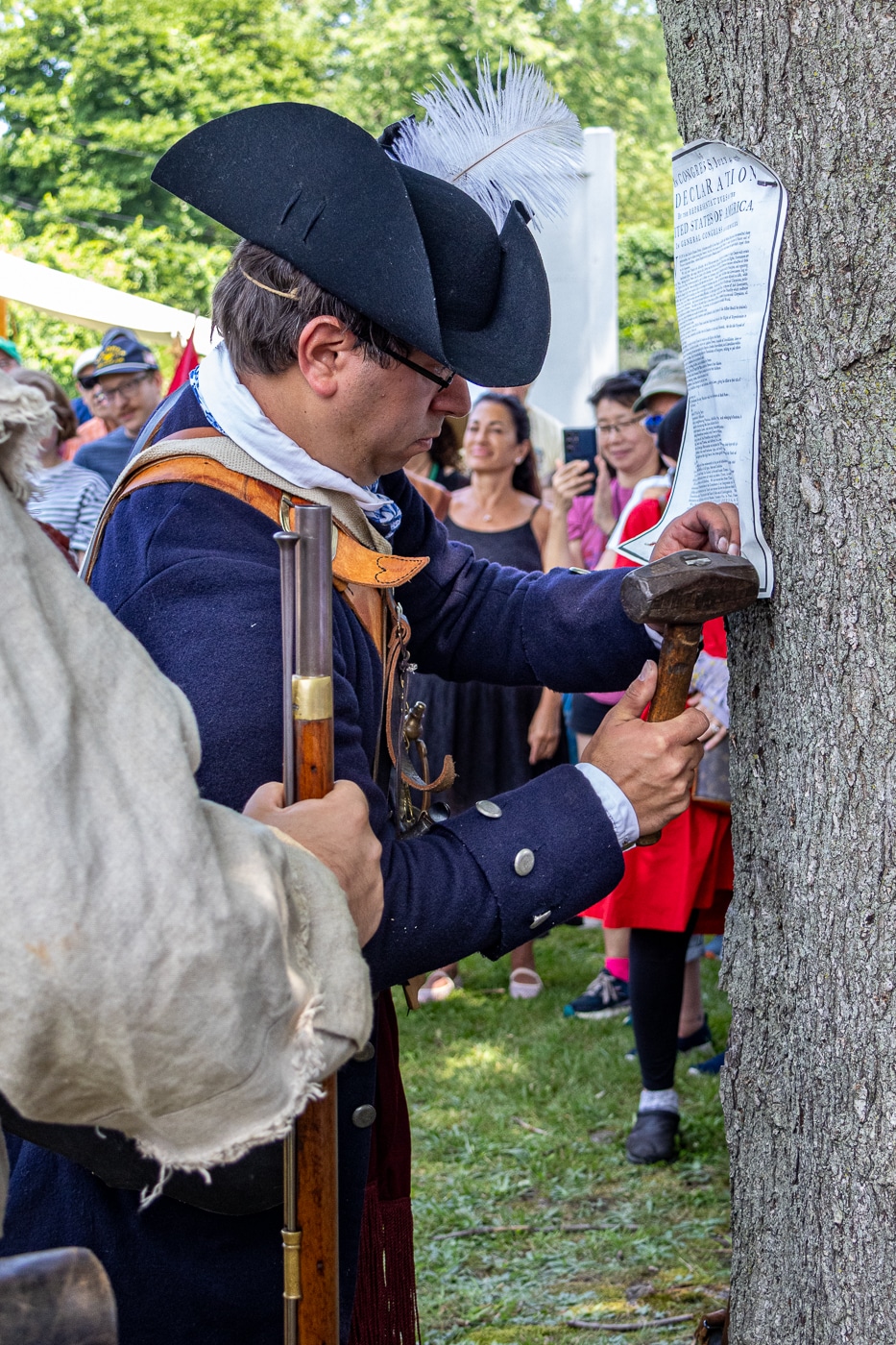
As spectators gathered around the Village Green, Patrick Mantle – Commander of the Huntington Militia recreated the moment Huntington residents first learned that the Continental Congress had declared independence from Great Britain.
The dramatic reading of the Declaration of Independence was followed by the symbolic burning of an effigy of King George III, recreating the act of defiance described in Huntington’s historical record.
Later, reenactors recreated the thirteen patriotic toasts that originally followed the reading of the Declaration. While those historic toasts took place across the street at Platt’s Tavern in 1776 – currently a Northwell medical building – this year’s reenactment was held on the celebration grounds, where visitors were invited to participate in the patriotic toasts, bringing another piece of Huntington’s Revolutionary history to life.
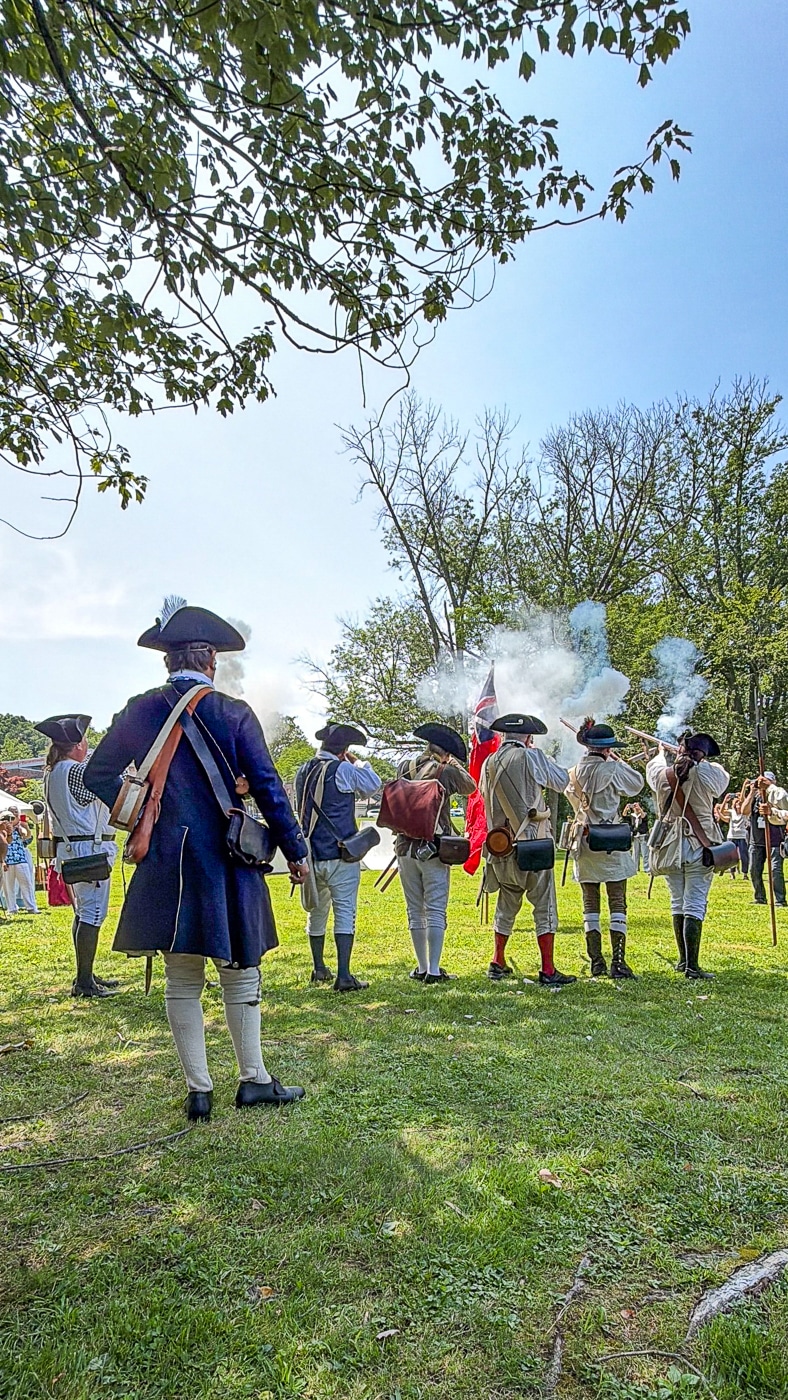
The booming cannon and musket demonstrations punctuated the reenactment, drawing applause from spectators throughout the afternoon.
A Family’s Revolutionary Story
Among the volunteers was Heidi Jordan, who traveled from Sag Harbor with her daughters because Revolutionary history is part of her own family’s story.
She explained that one of her ancestors fought during the Revolution and that her mother still preserves his original 1776 letter from Fort Ticonderoga.
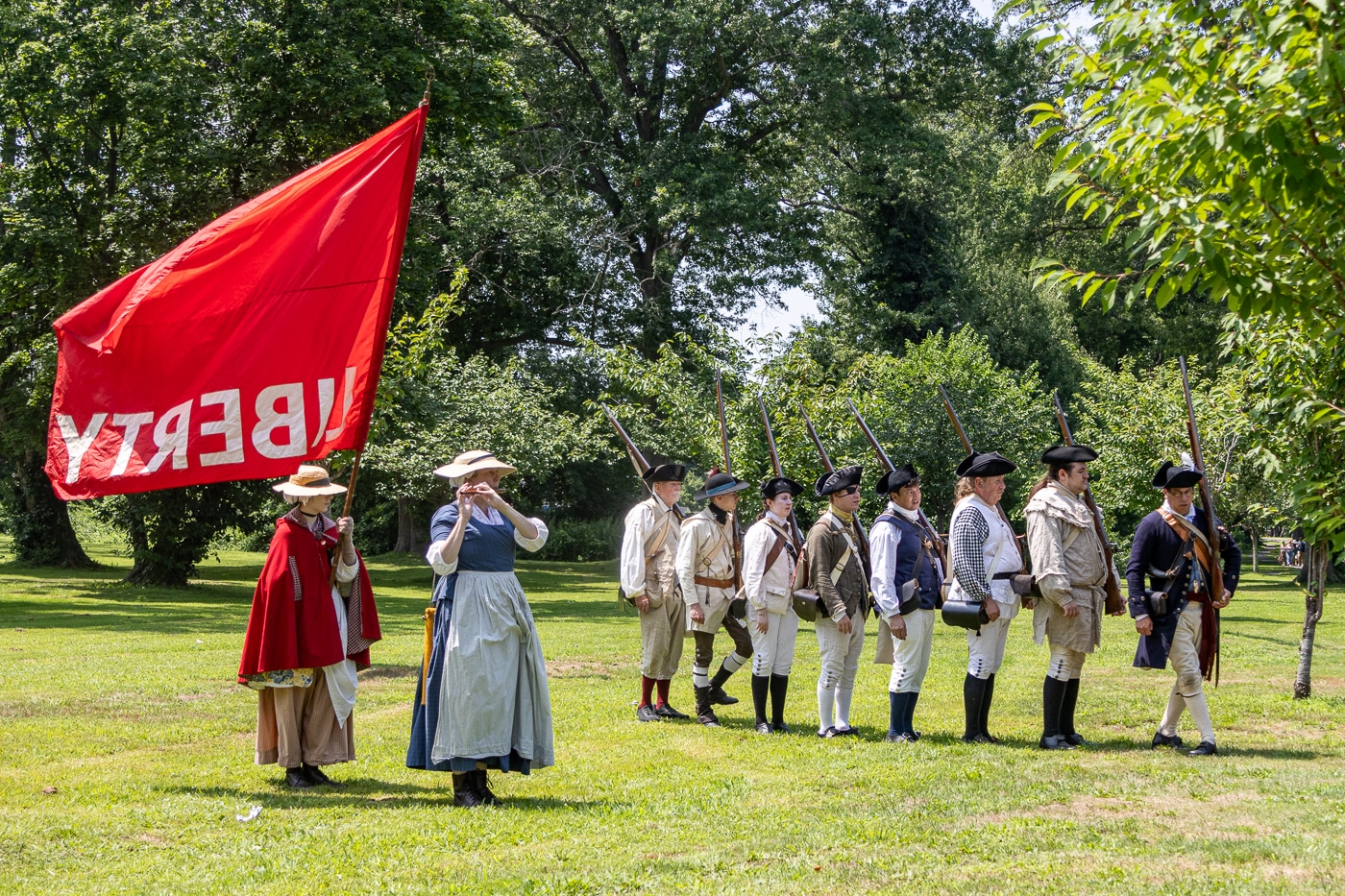
“We want to experience the history that our ancestors lived,” Jordan said, “and also to reinforce the values this country was founded on – freedom, liberty and the pursuit of happiness for everyone.”
Her sixteen-year-old daughter, participating as a colonial reenactor, said she was especially interested in understanding the role women played during the Revolution.
“I want to know how we were useful,” she said. “What we did…what we were able to contribute to this war.”
She also shared a perspective many visitors may never have considered – that during the British occupation of Long Island, many women followed family members serving with the militia because remaining alone at home could be even more dangerous.
Her comments offered an important reminder that the Revolutionary War affected entire families – not just the men who fought.
Honoring Long Island’s First People
The celebration also recognized the history that existed on Long Island long before the Revolutionary War.
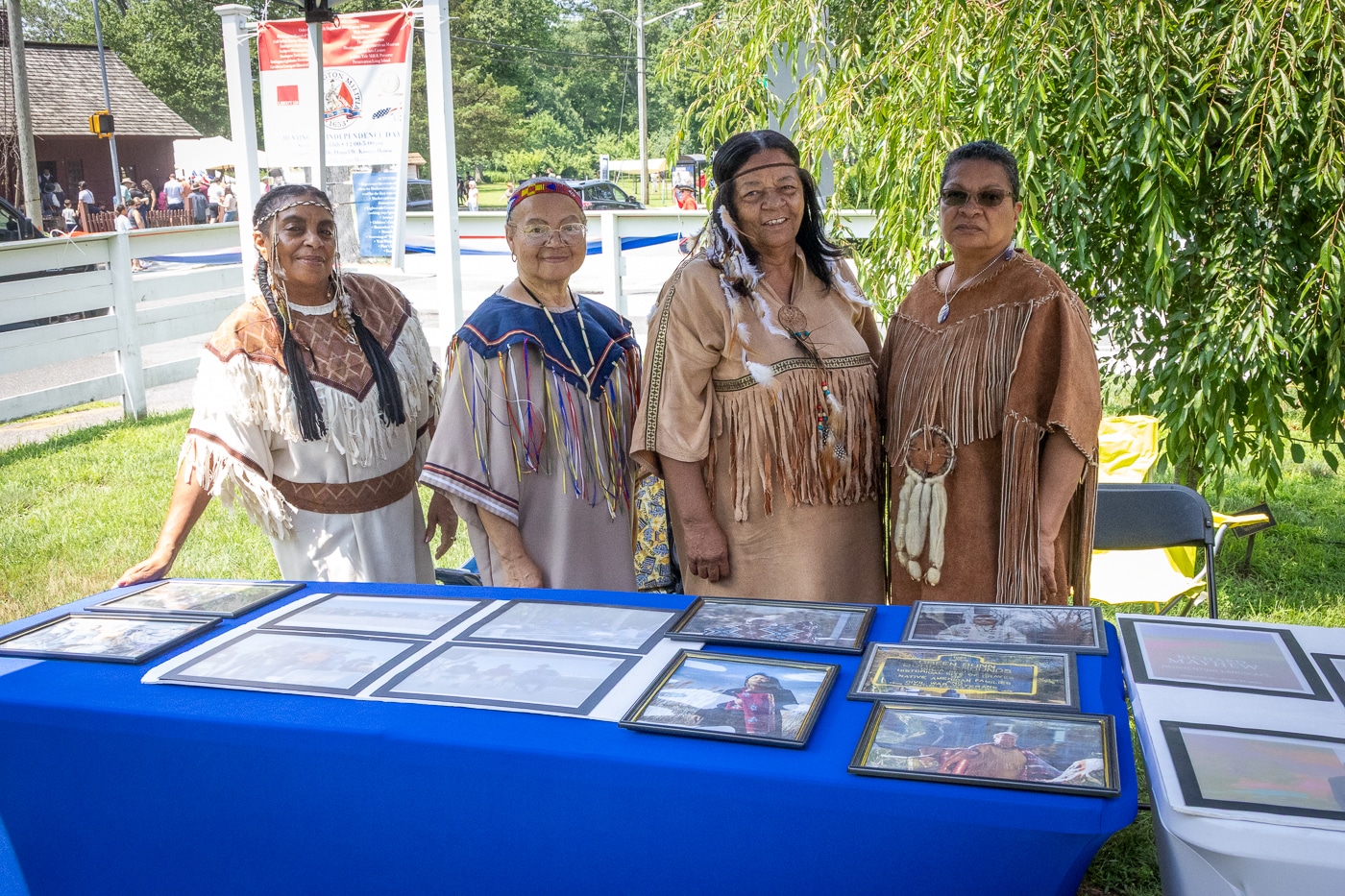
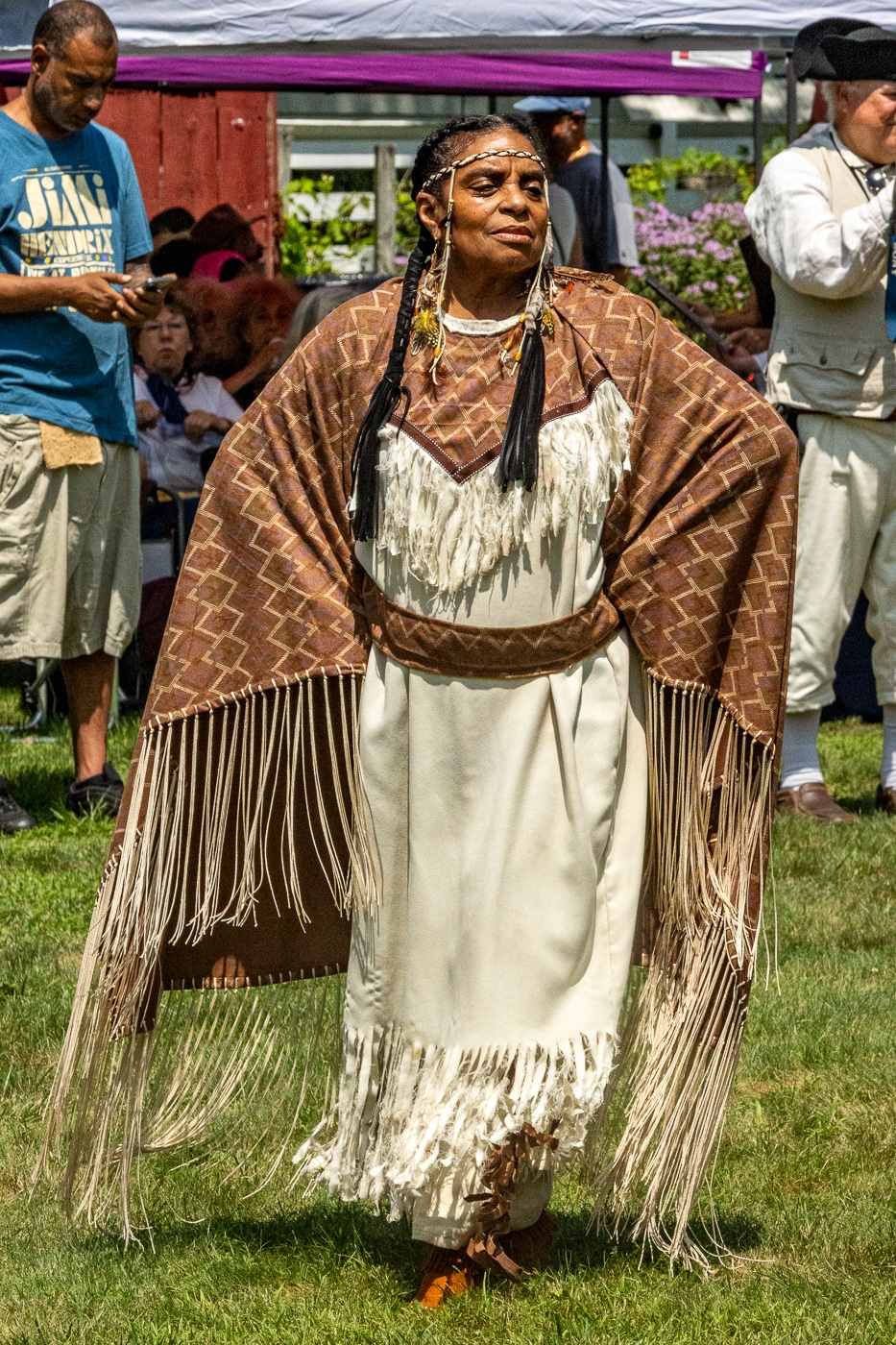
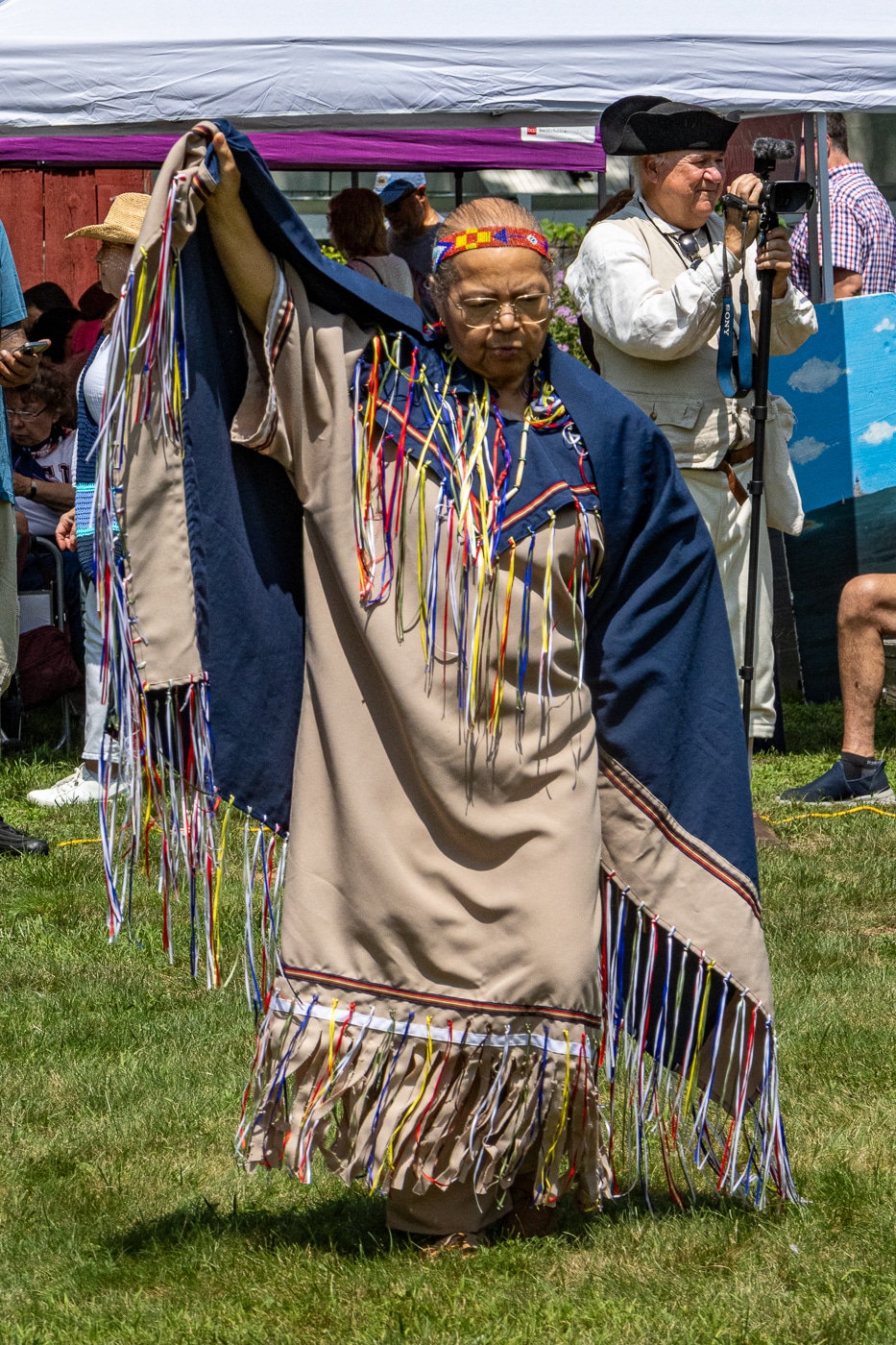
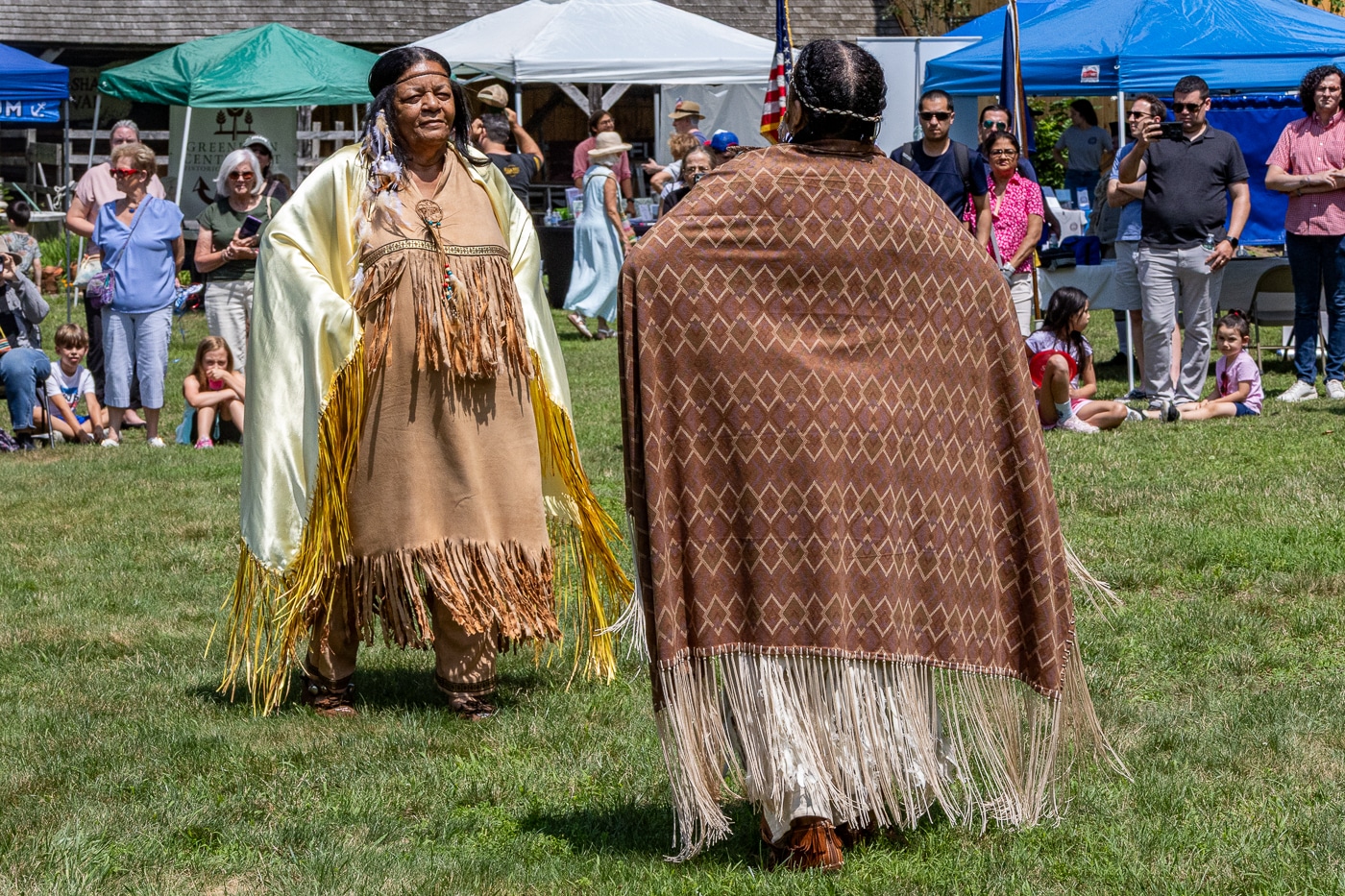
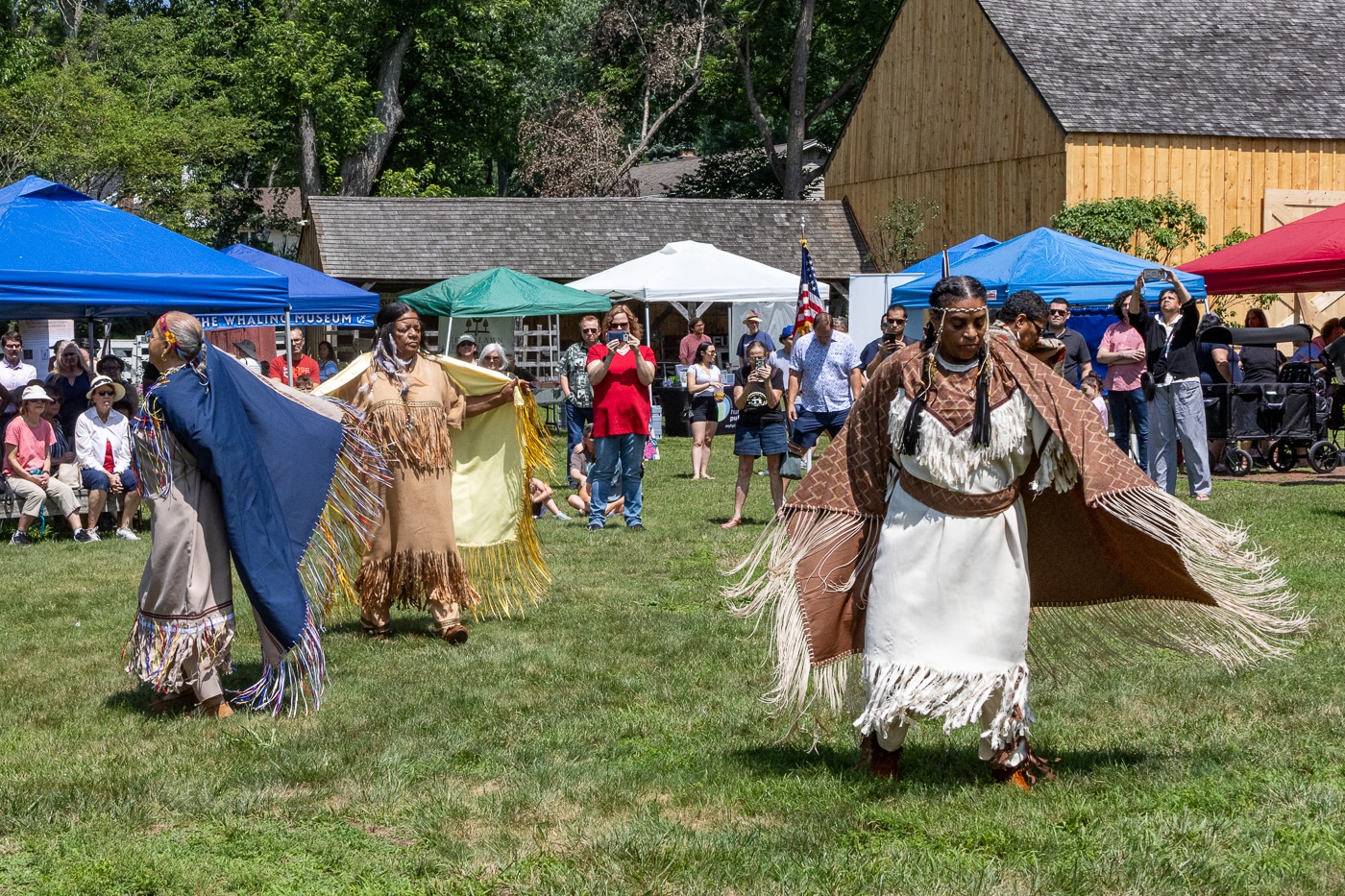
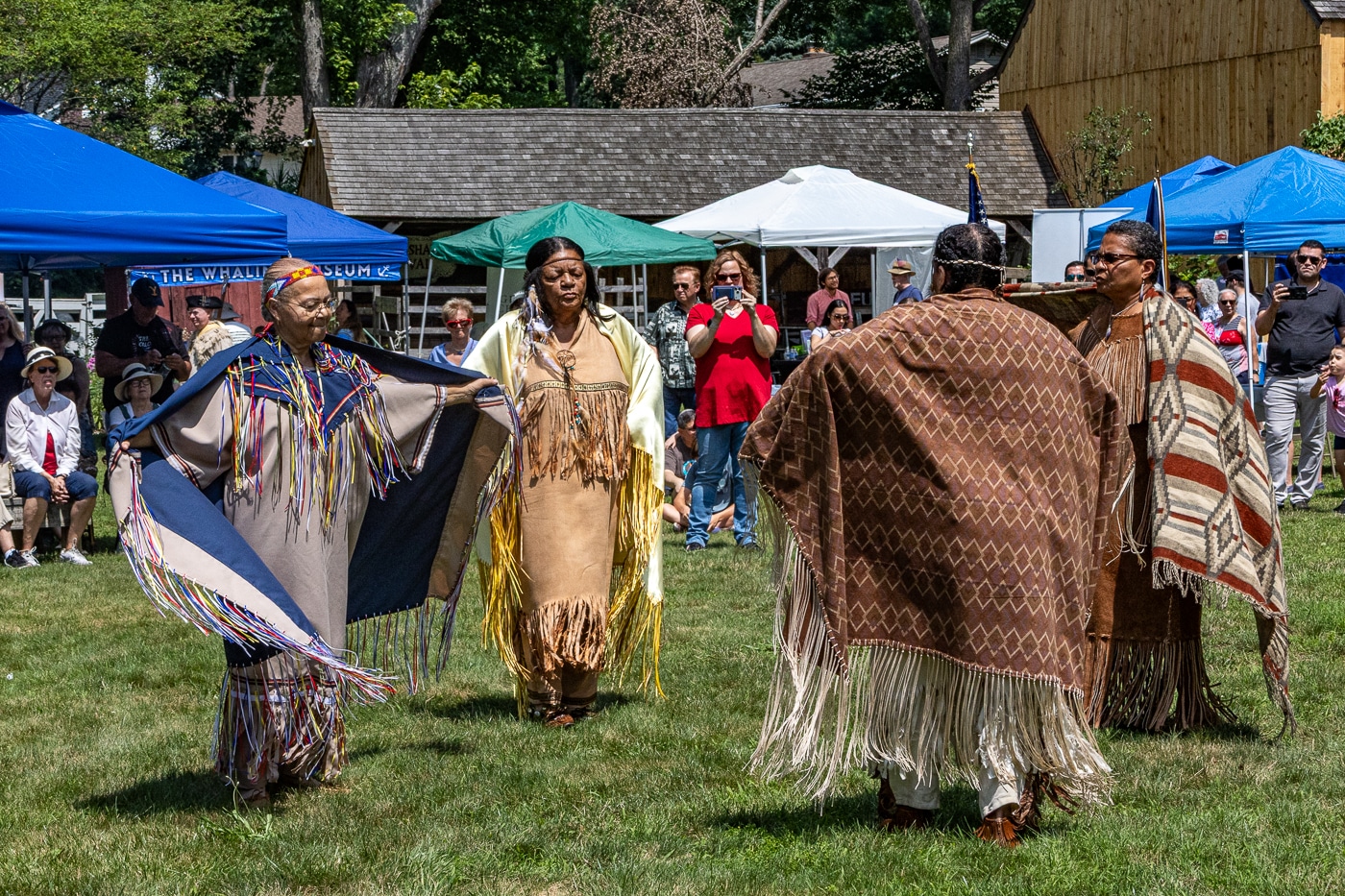
Members of the Montaukett Indian Nation Dancers performed the Women’s Traditional Dance and the Free Shawl Dance, inviting visitors to experience traditions that remain vibrant today.
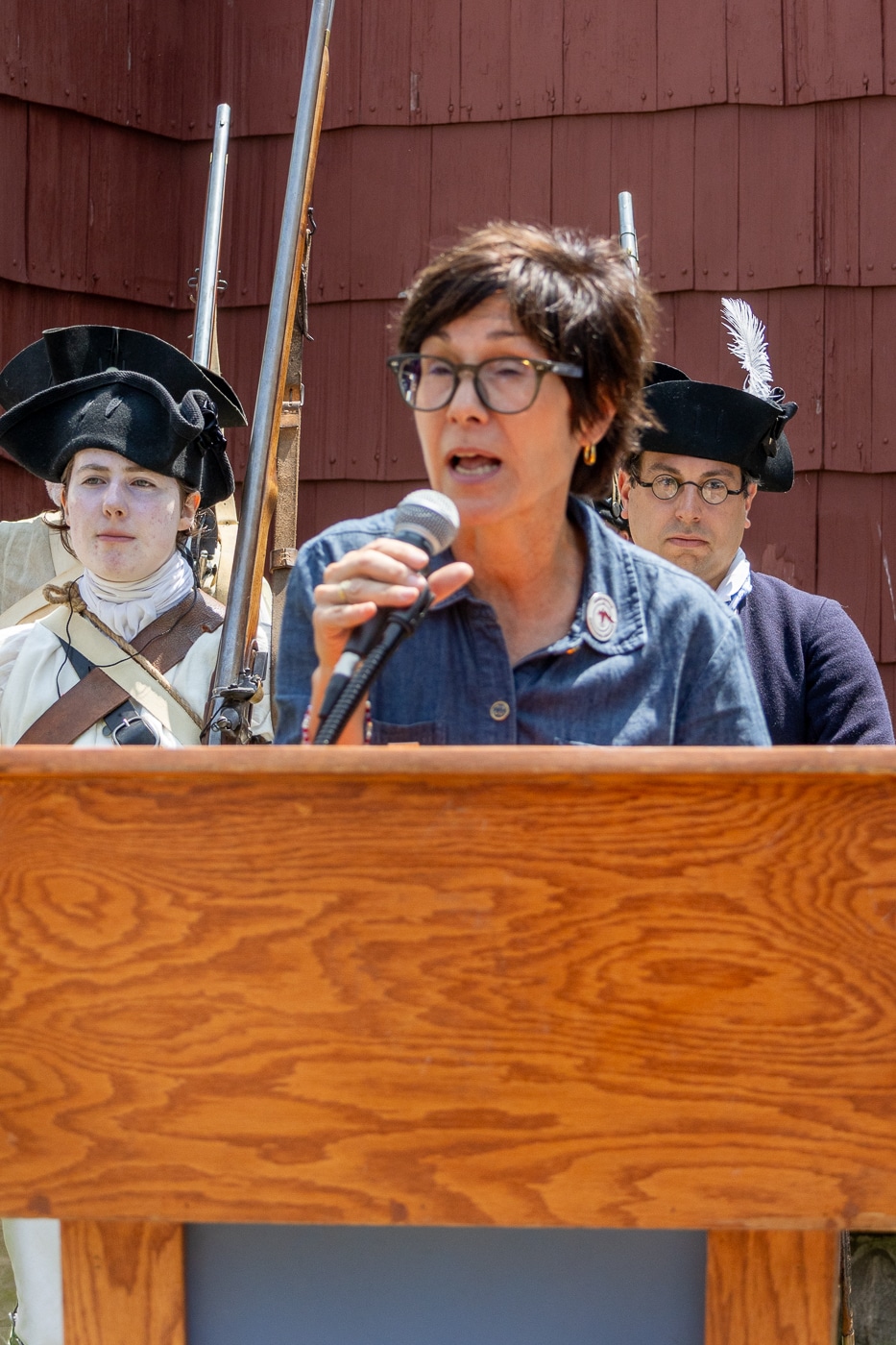
Introducing the performance, Mandy Miller Jackson explained that the dances celebrate community.
“When we dance showing community, we’re offering community and we support community,” she said.
She explained that the Free Shawl Dance demonstrates strength, dignity, unity and communication as dancers “move together in conjunction with one another.”
Executive Director and Government Affairs Officer Sandi Brewster-Walker said the Montaukett Indian Nation has lived on Long Island for more than 12,000 years and continues working toward reinstating state and federal recognition after generations of displacement and land loss.
Rather than focusing on development, she said, the Nation hopes to continue its historic role as stewards of the land and water.
“Like we were,” Brewster-Walker said.
Their participation served as a reminder that Long Island’s story did not begin in 1776 but stretches back thousands of years.
Preserving Huntington’s Revolutionary Legacy
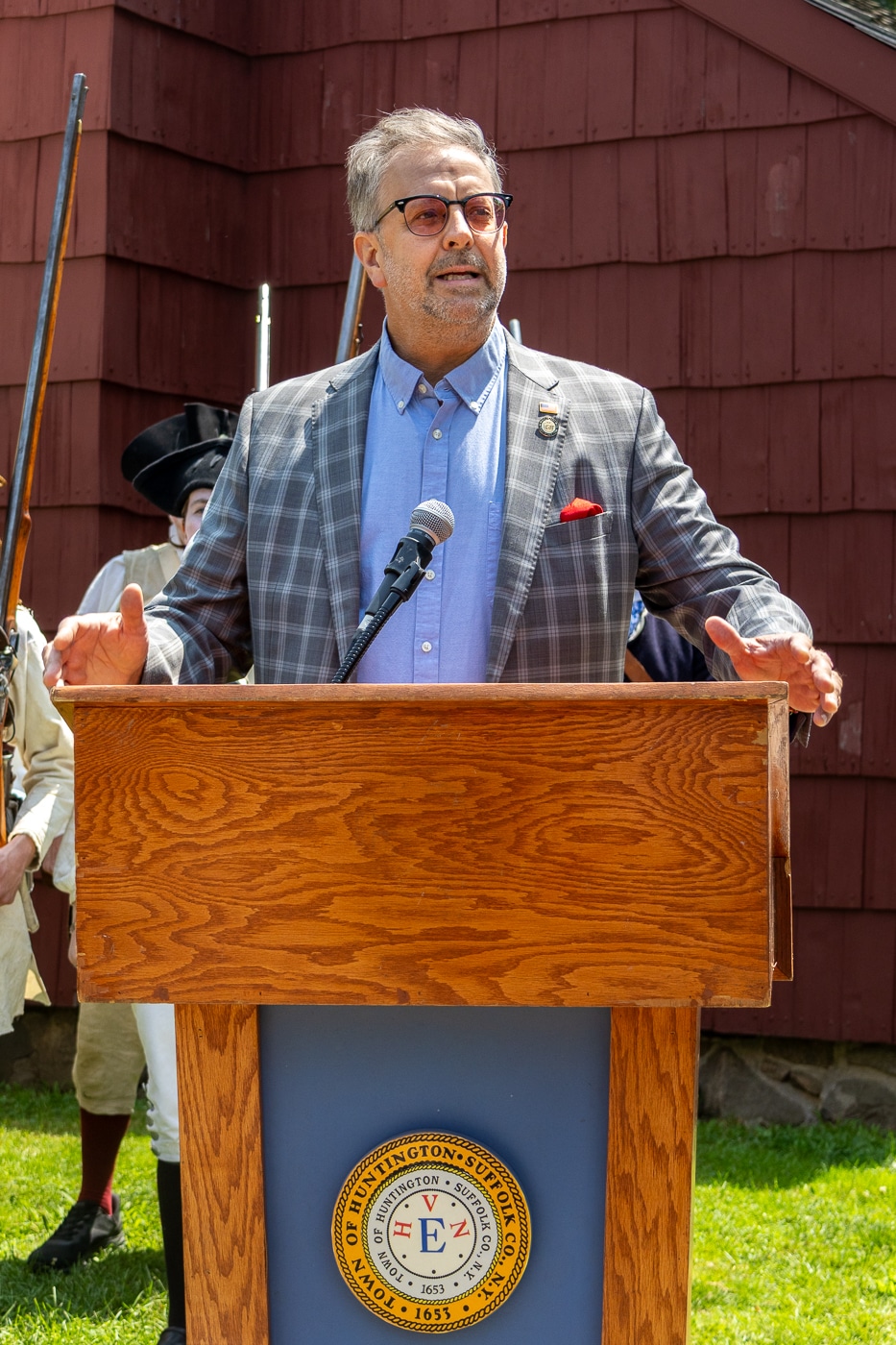
Assemblyman Keith Brown reminded visitors that the men who signed the Declaration of Independence accepted extraordinary personal risk.
“By signing the Declaration of Independence, fifty-six Americans pledged their lives, their fortunes and their sacred honor,” Brown said. “It was no idle pledge.”
Brown also highlighted Huntington’s Revolutionary heritage, including William Floyd of Brookhaven, one of New York’s four signers of the Declaration, as well as recent efforts to preserve Revolutionary War cemeteries throughout the Town and the creation of the Bloomberg Connects digital tour highlighting local historic sites.
“Our history is rich here in Huntington,” he said.
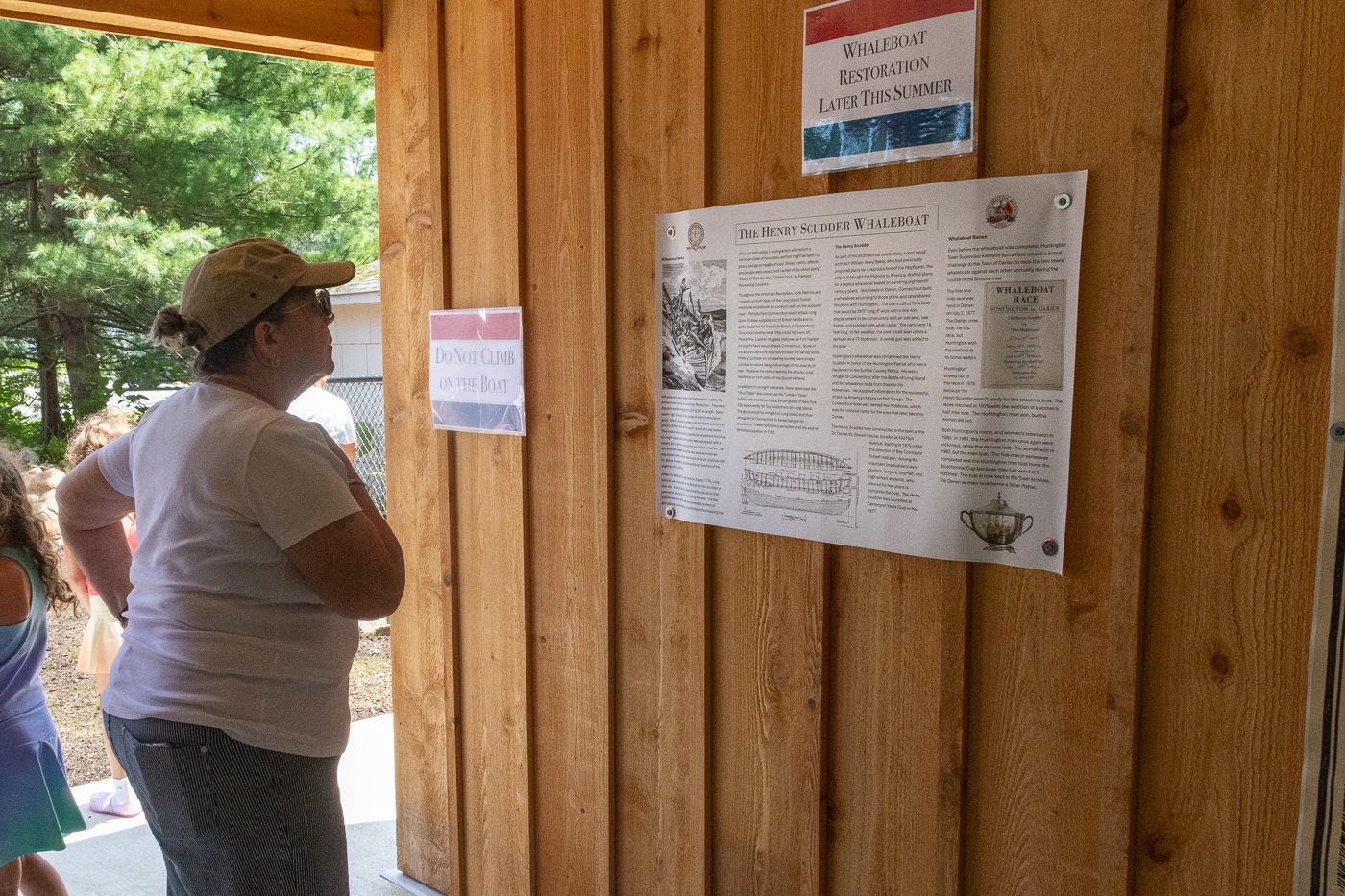
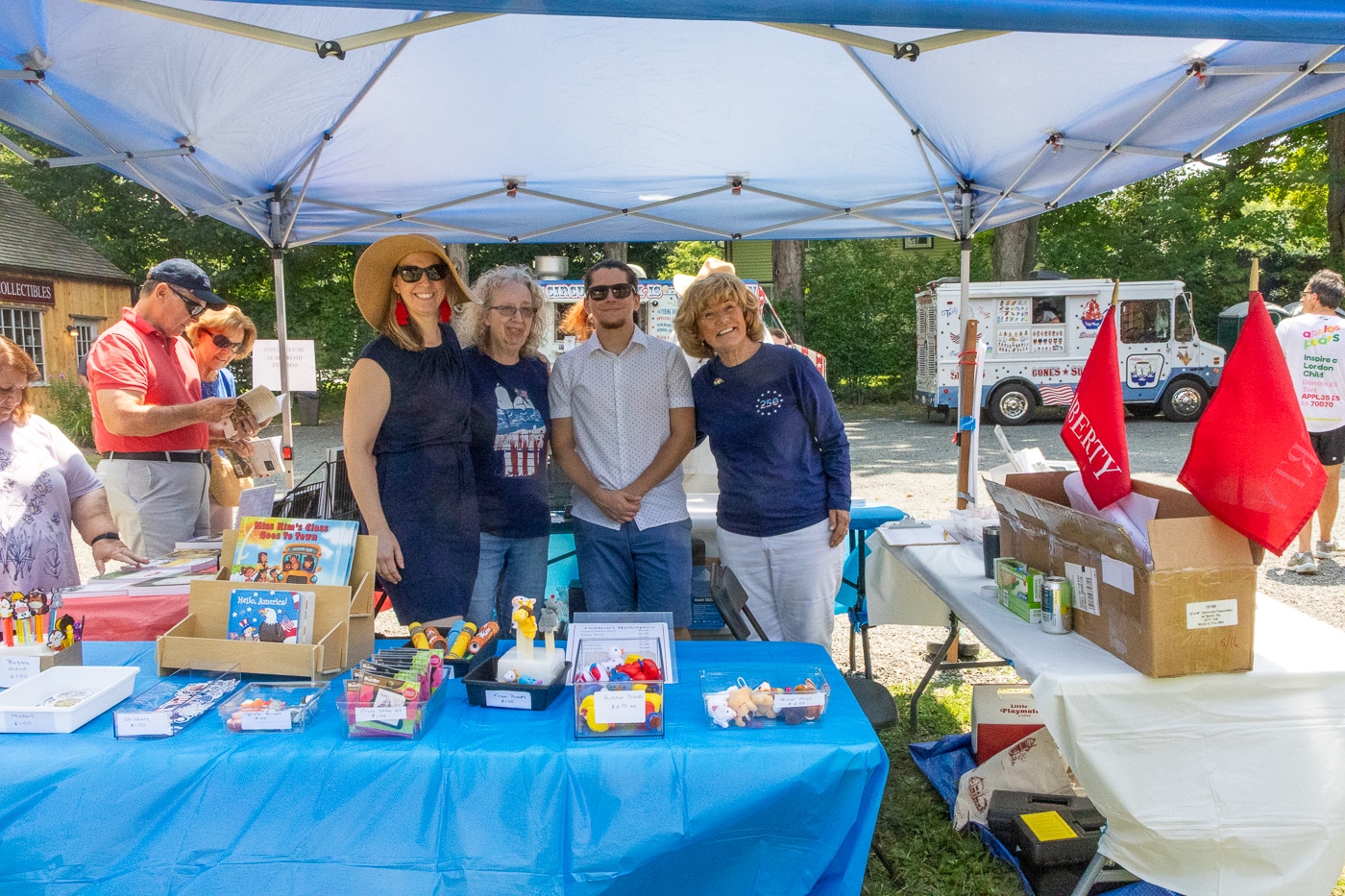
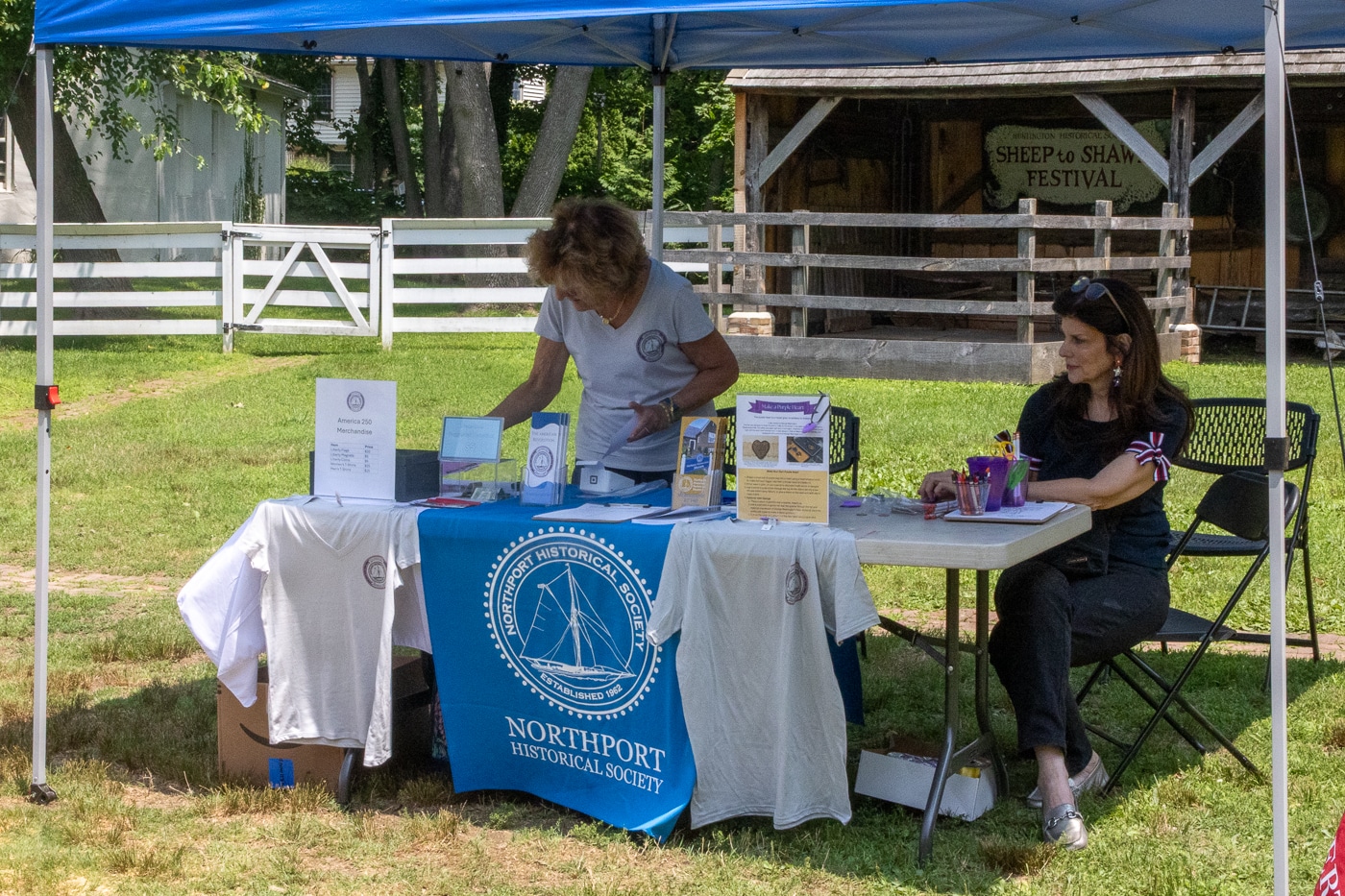
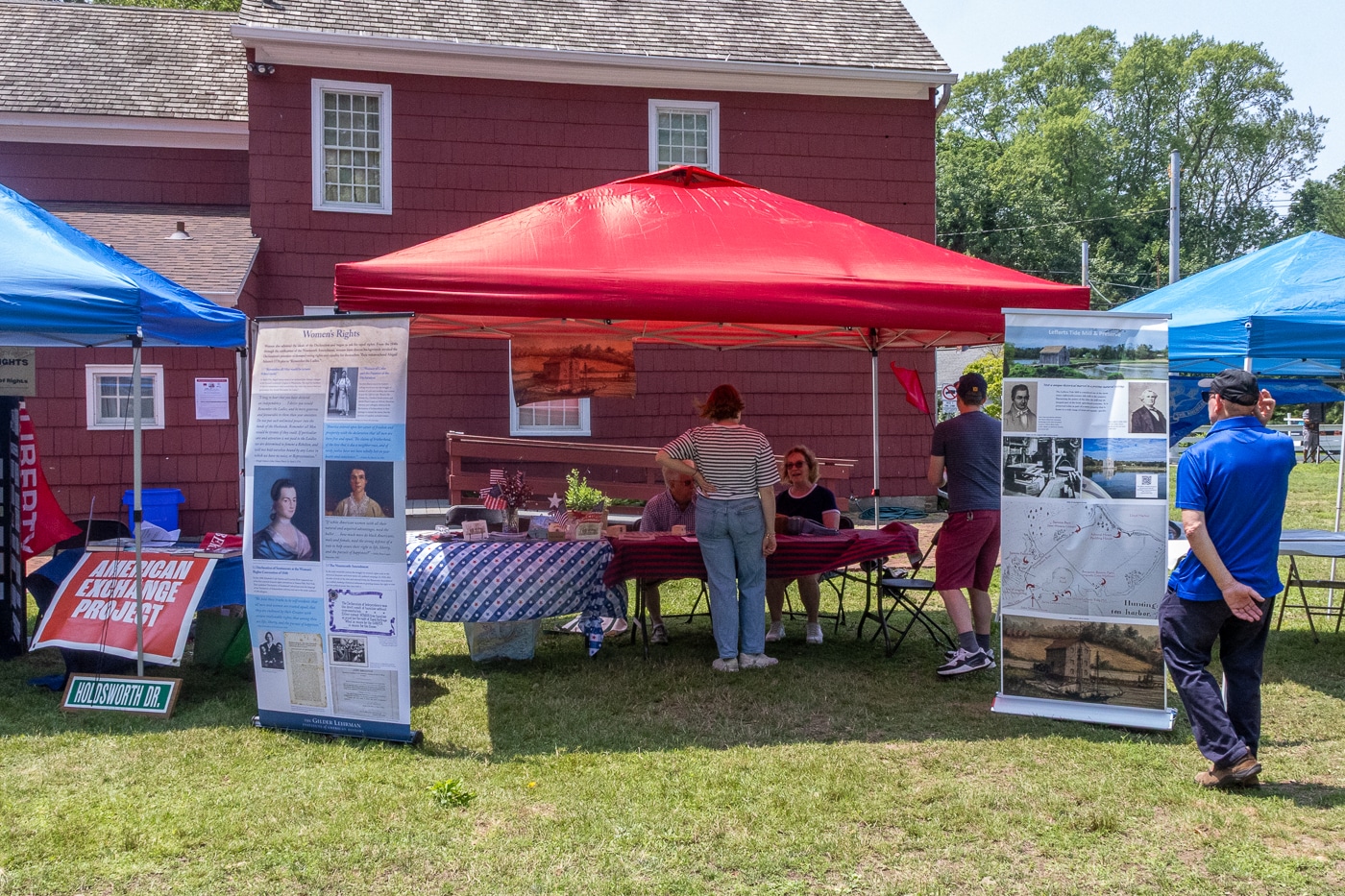
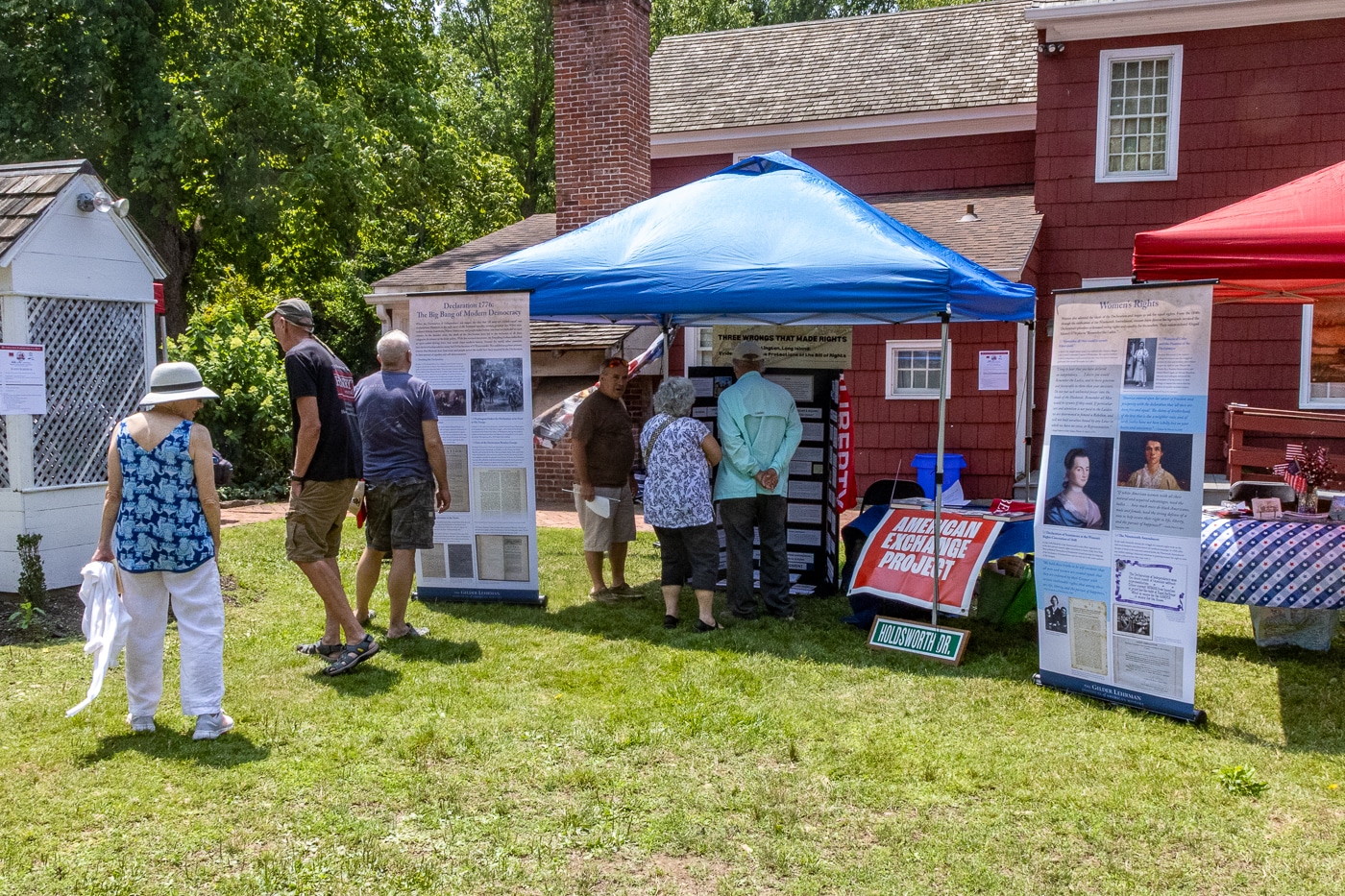
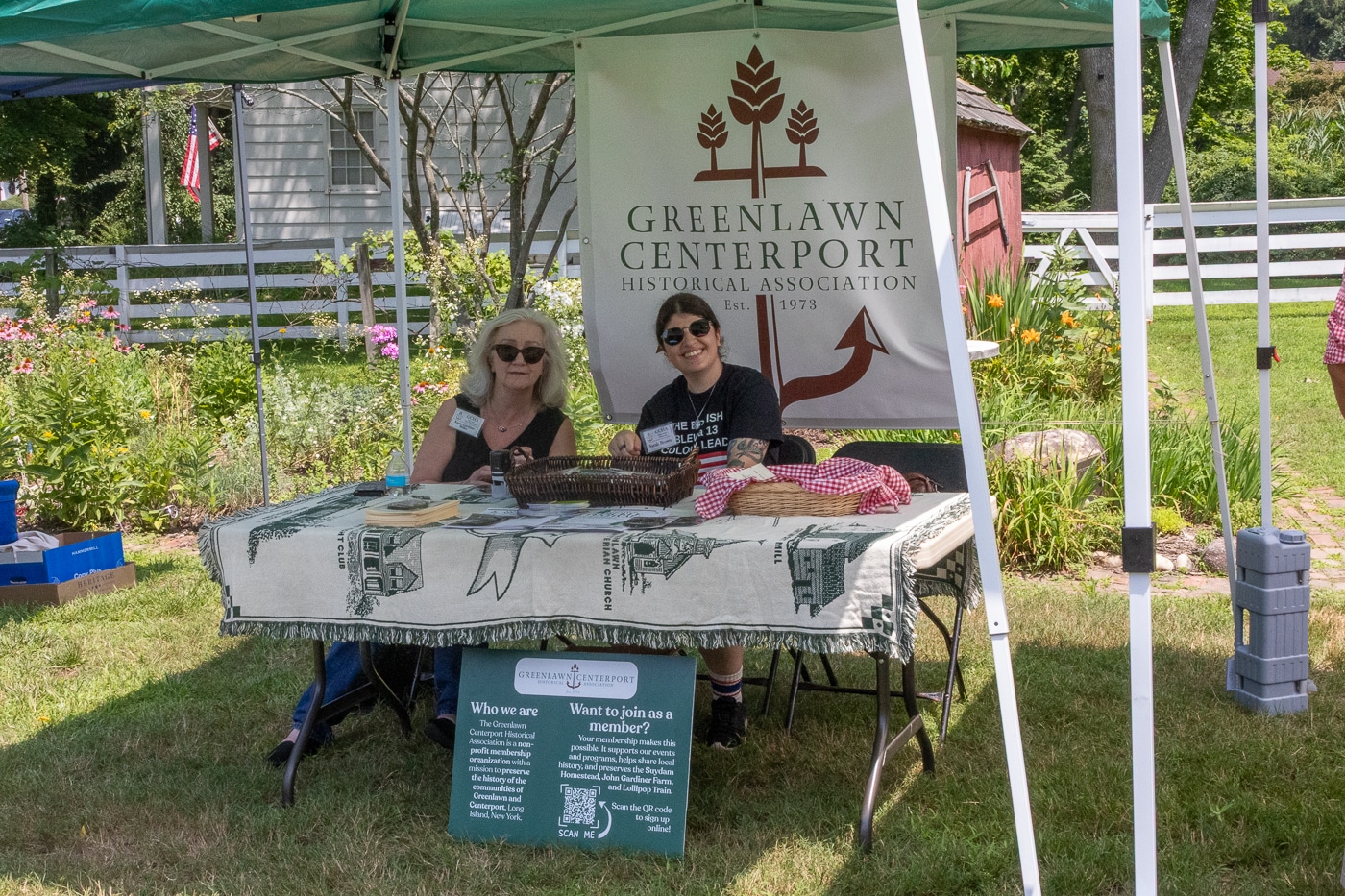
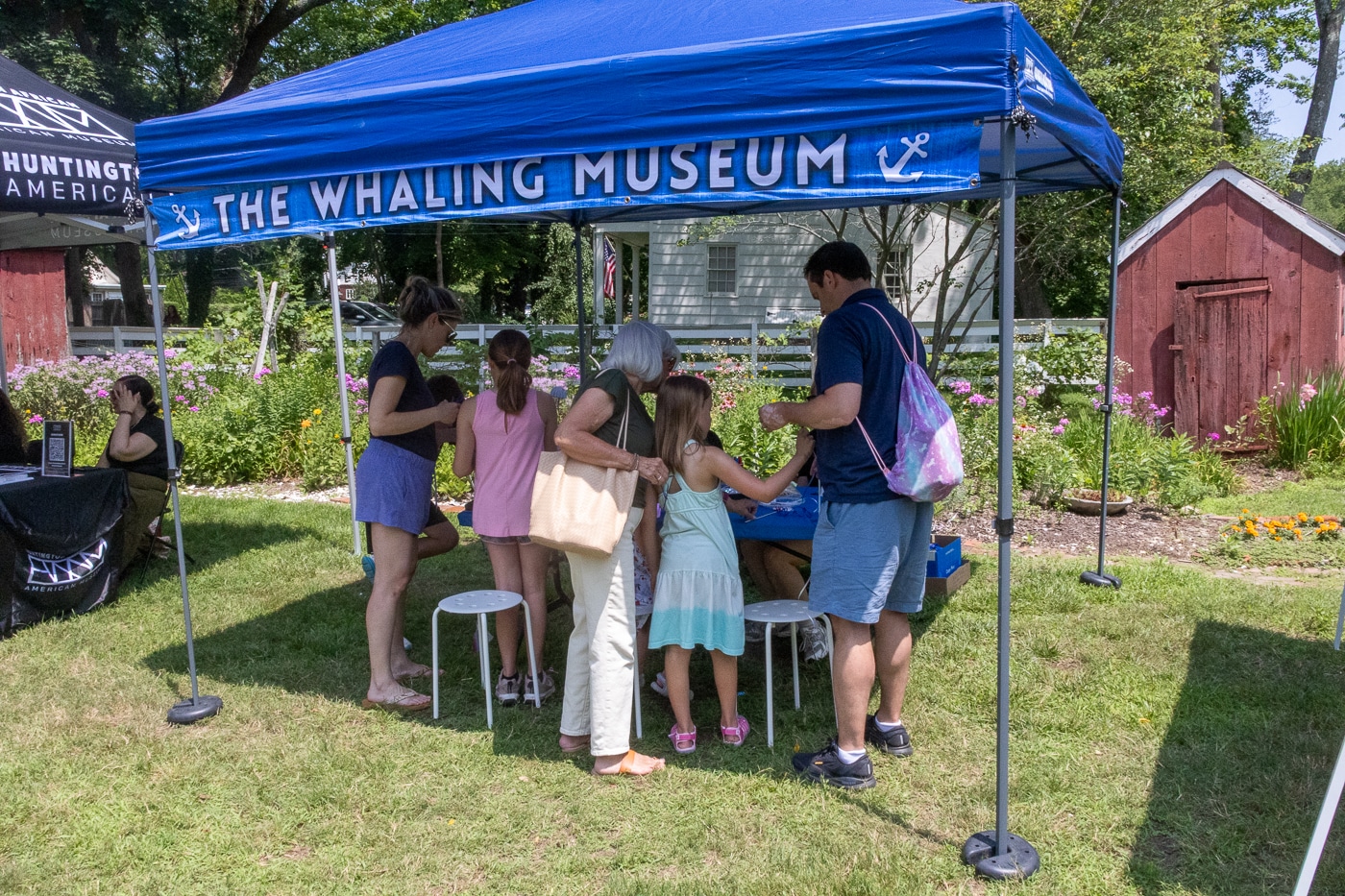
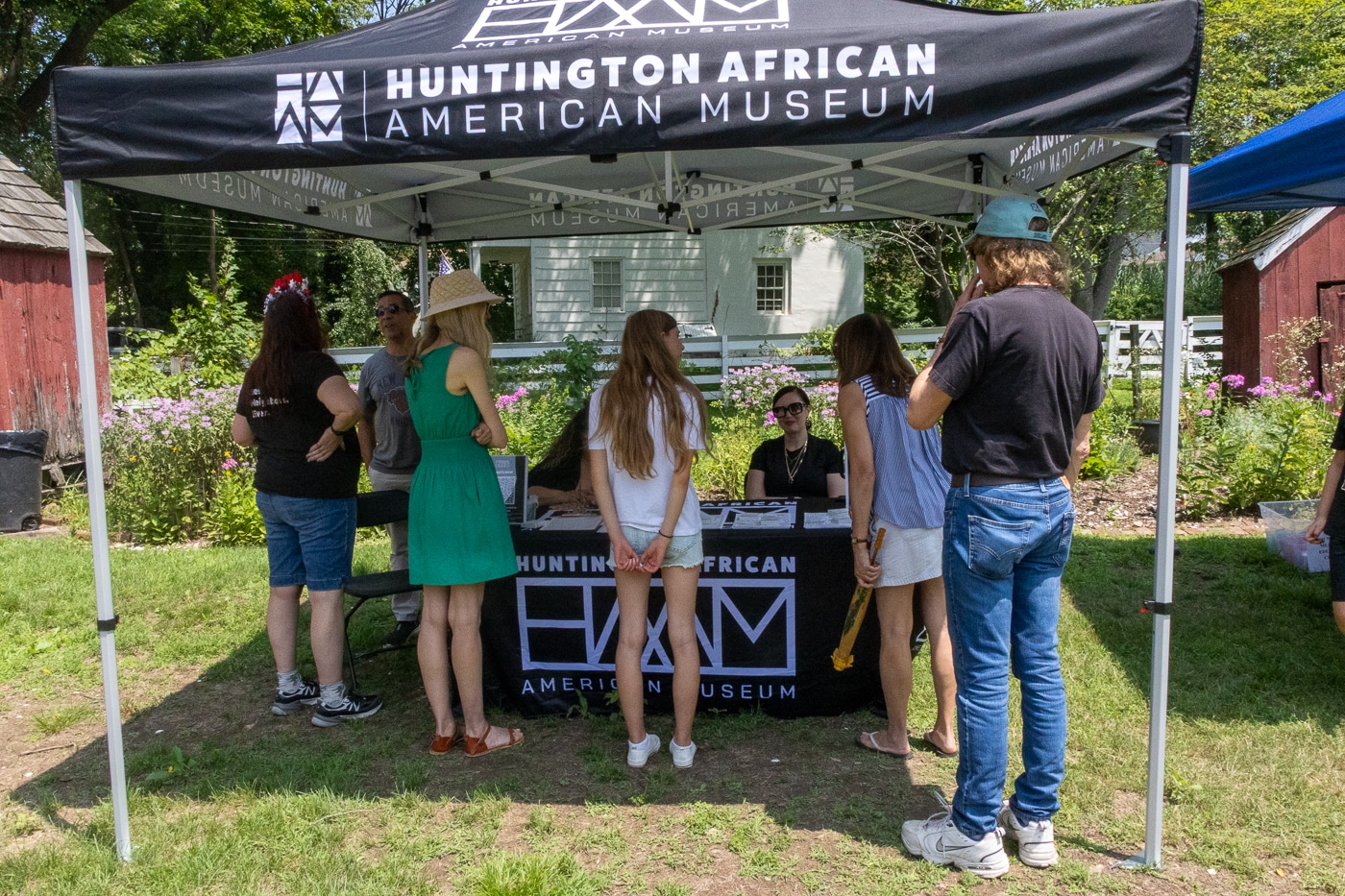
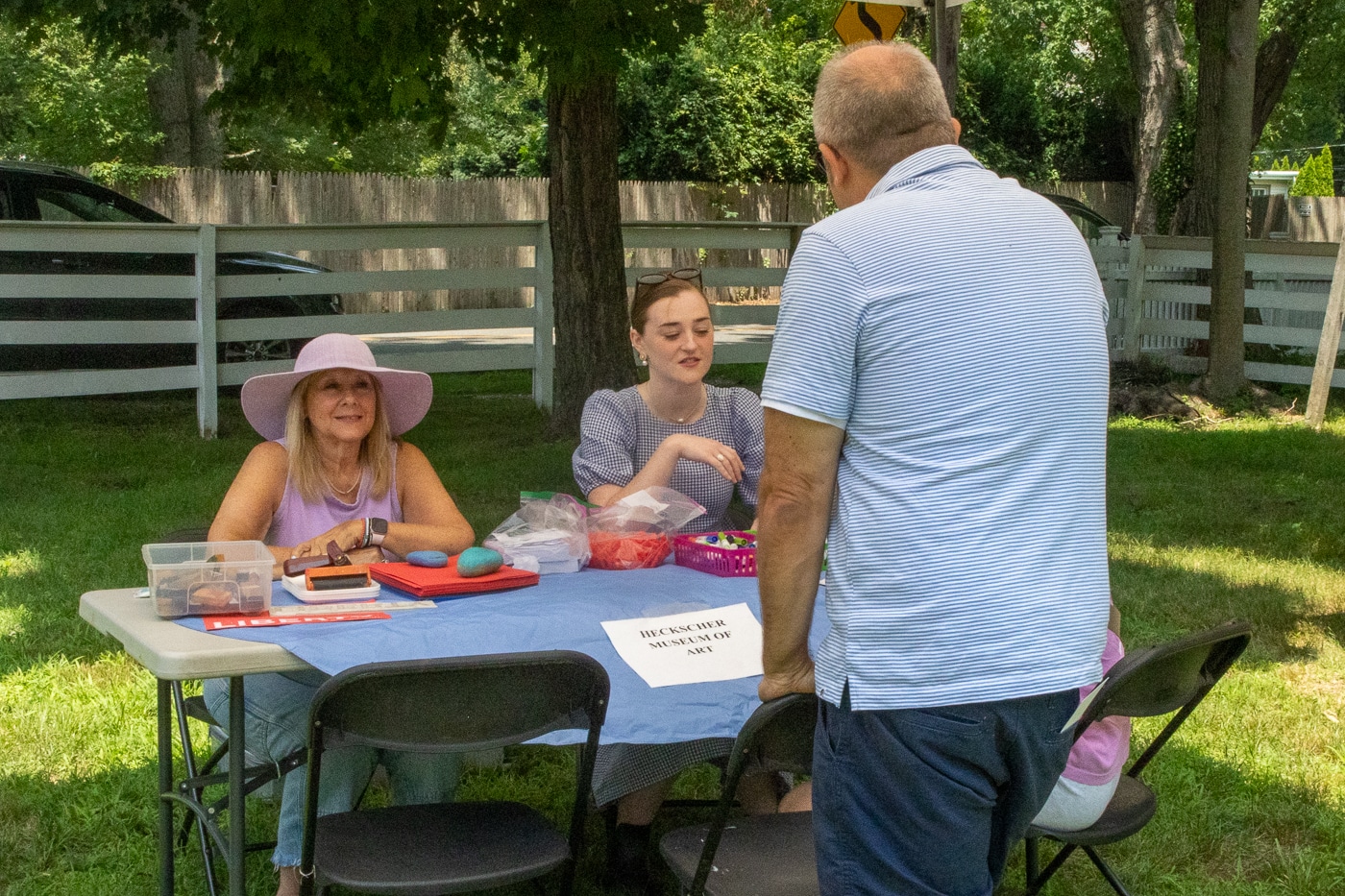
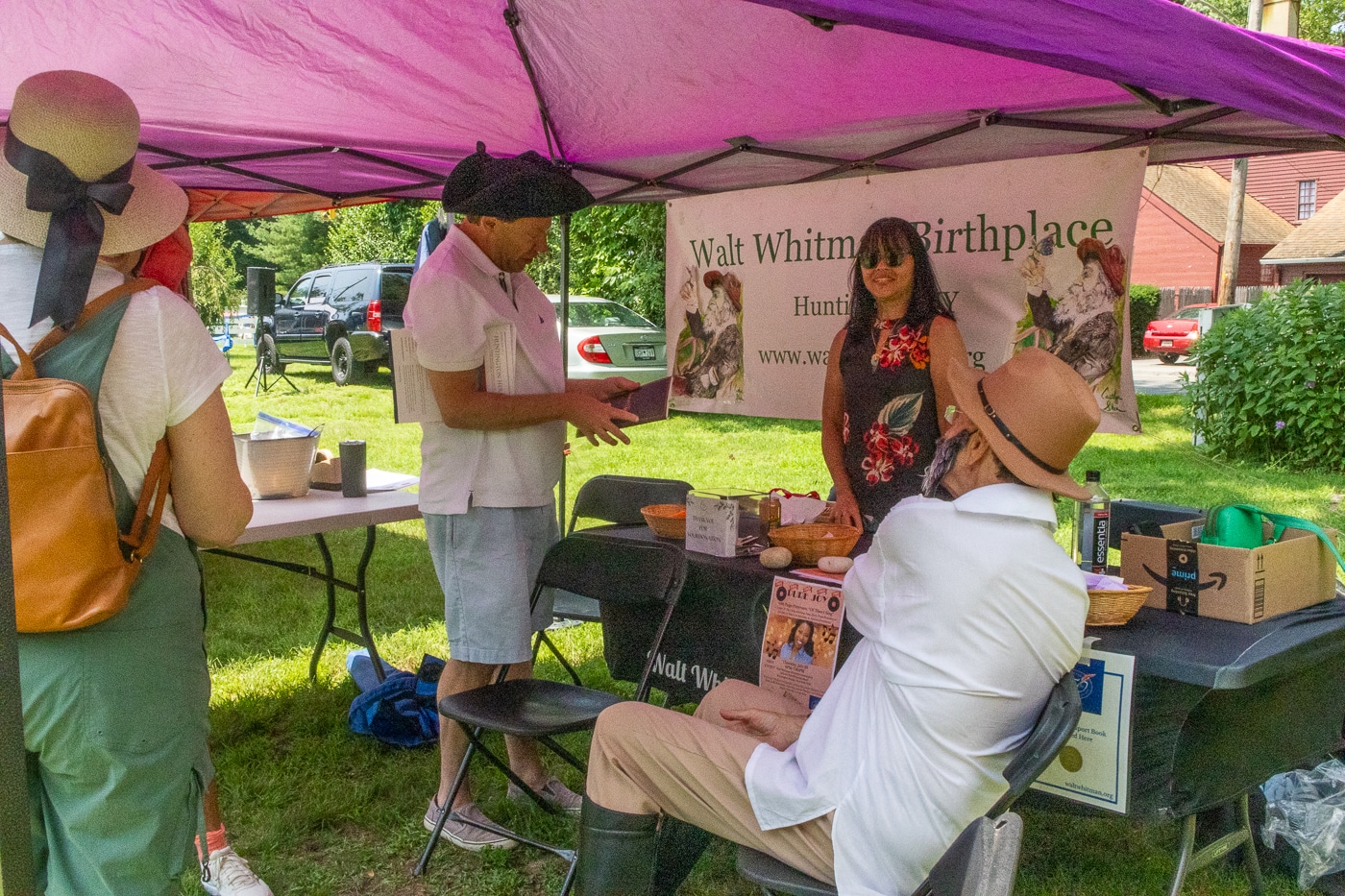
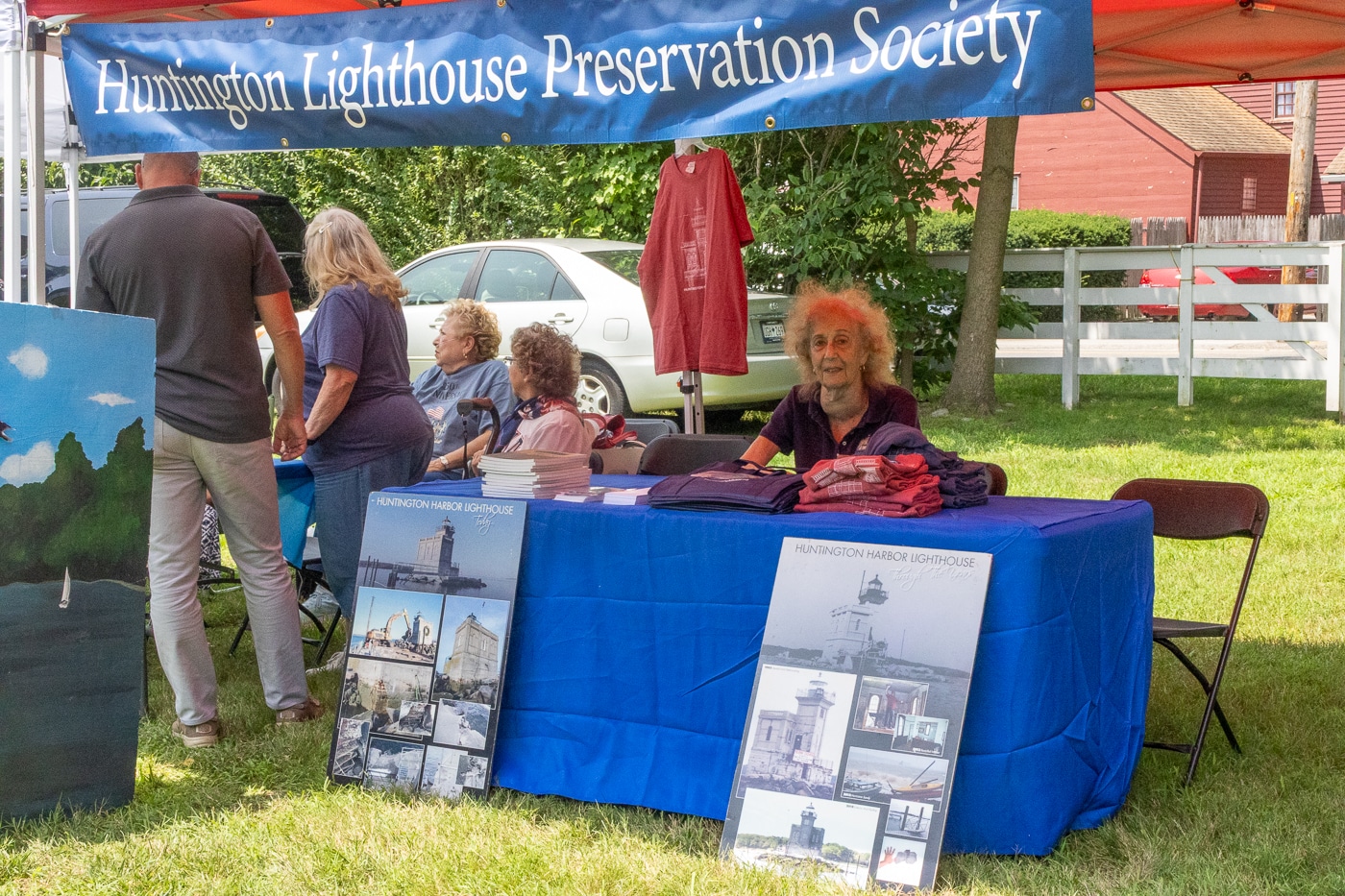
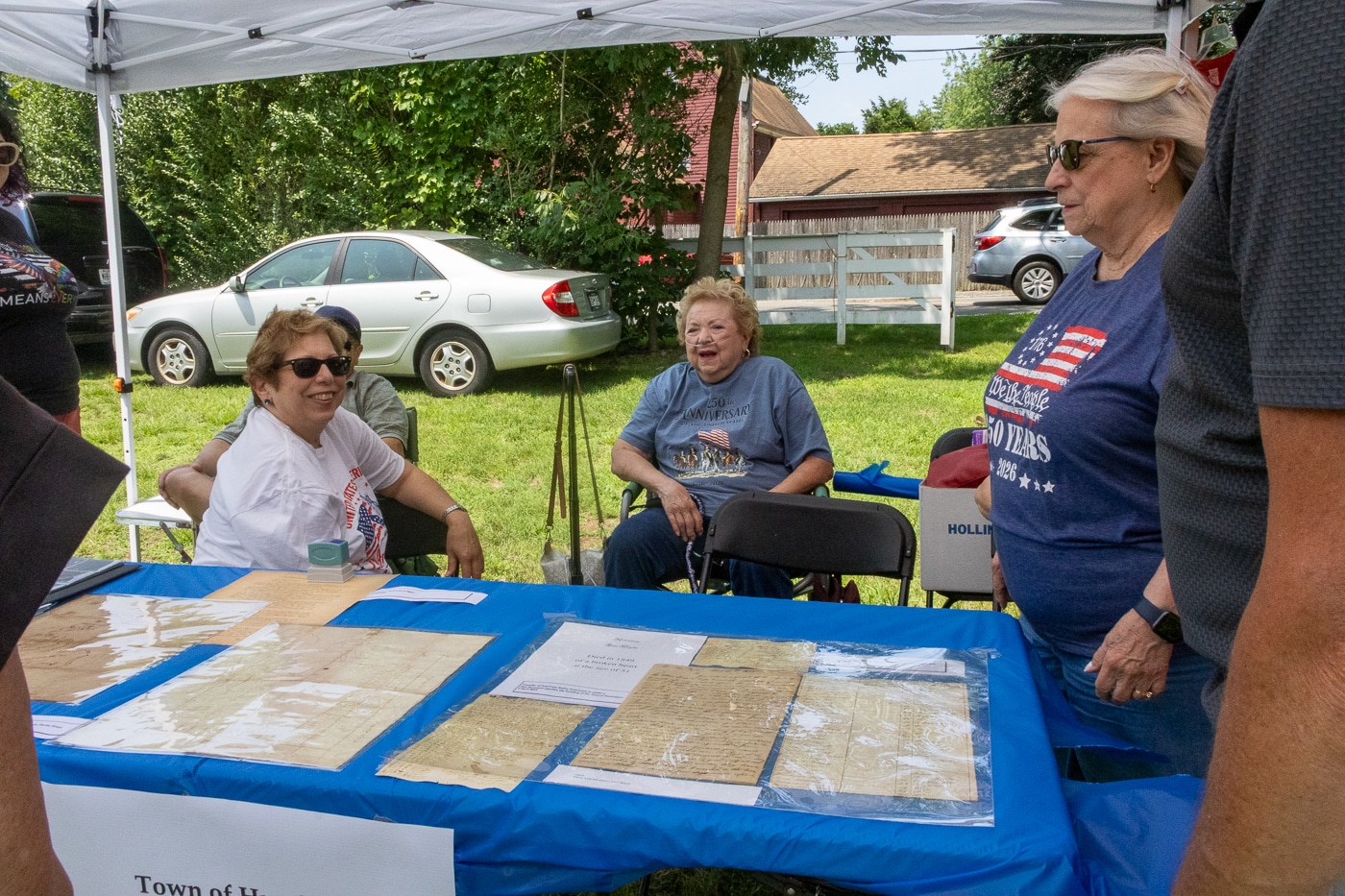
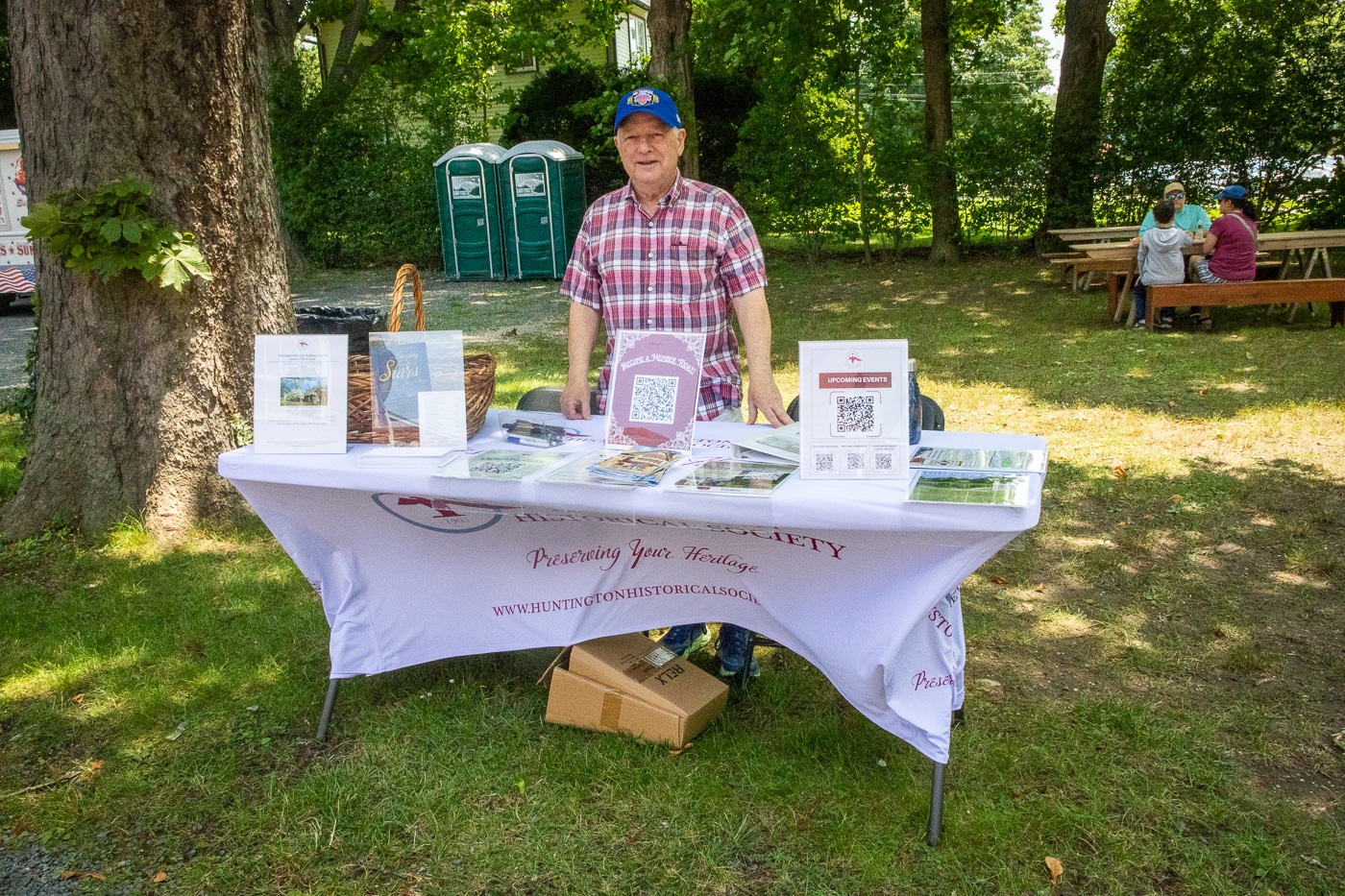
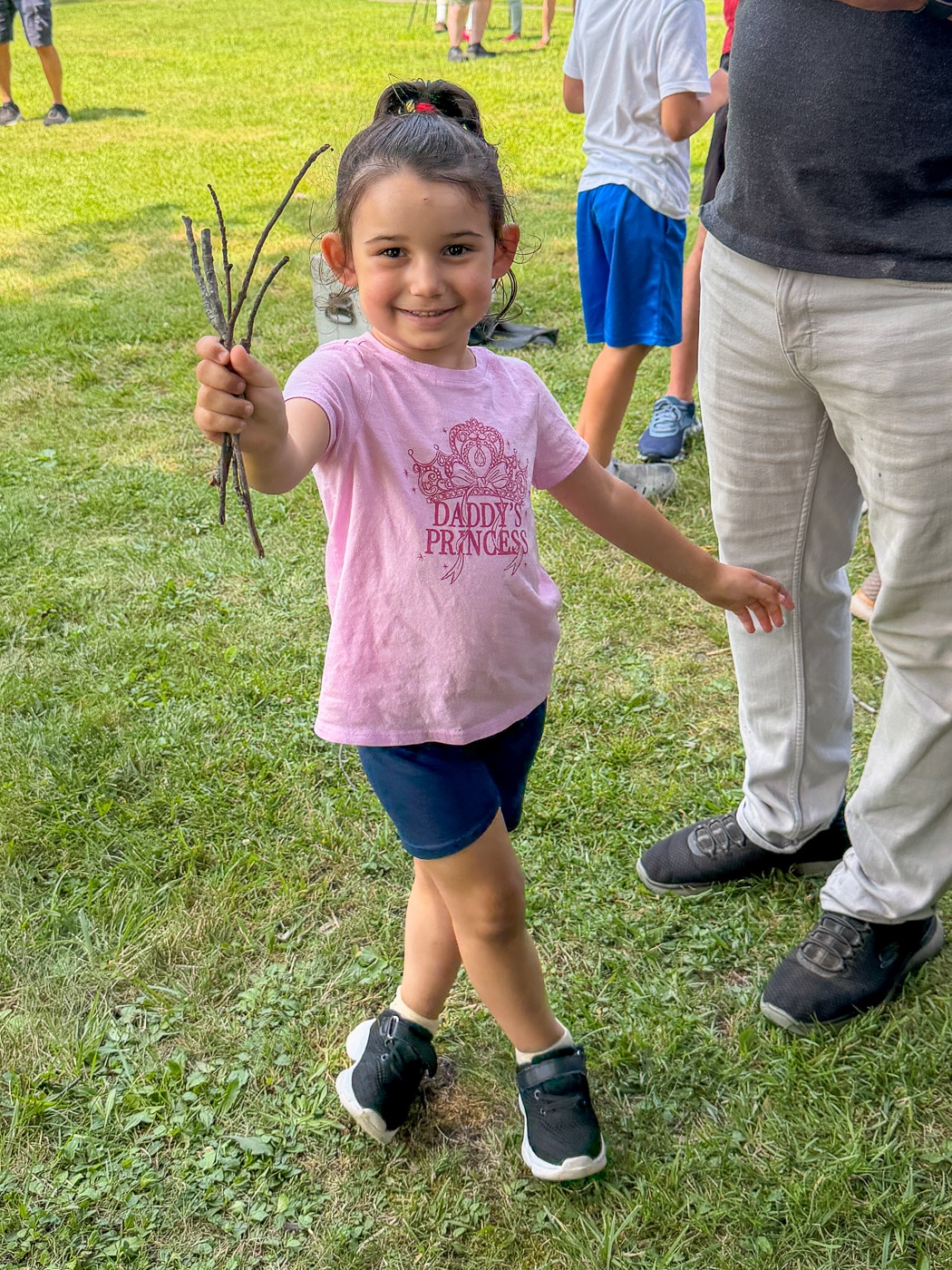
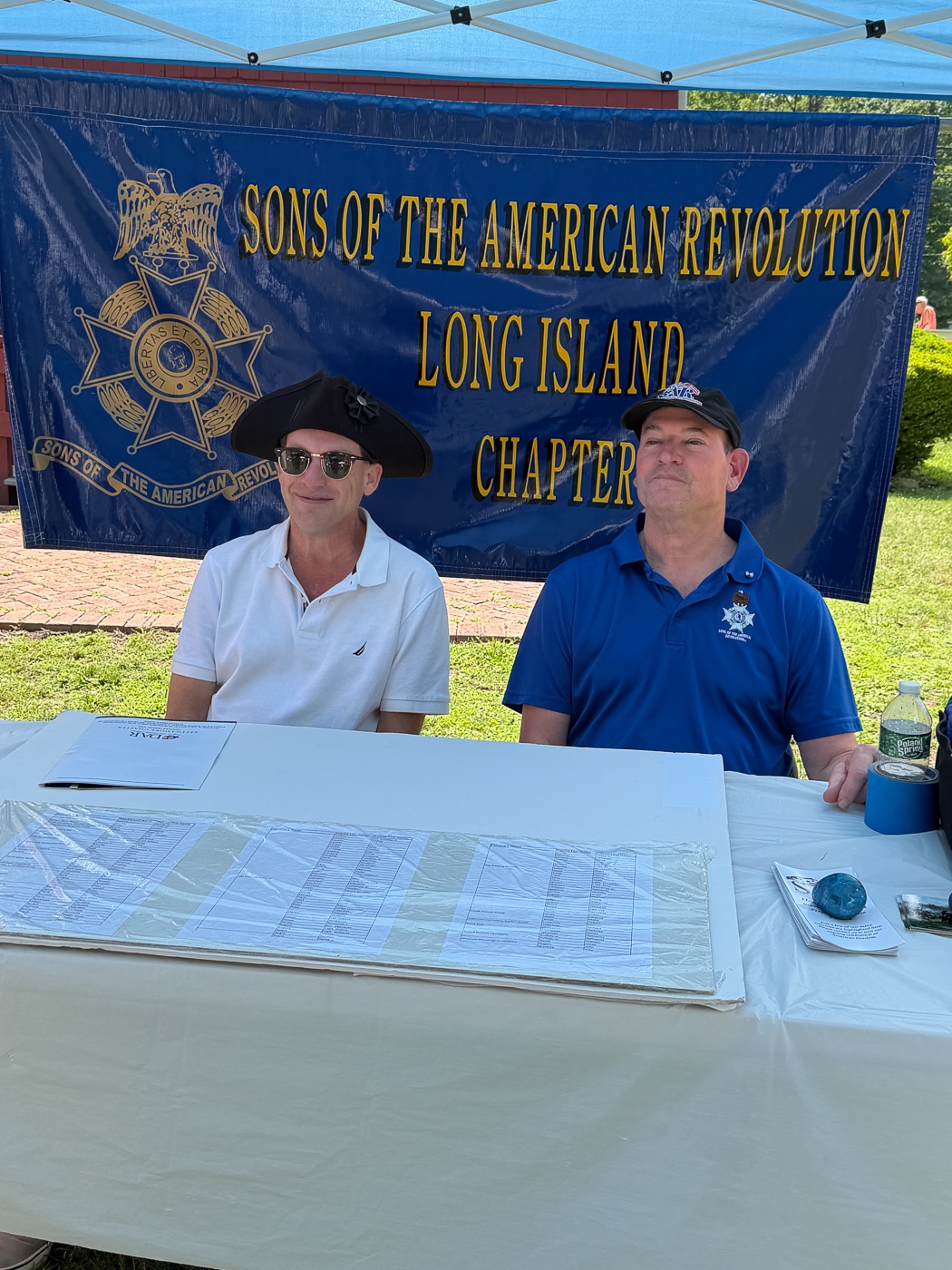
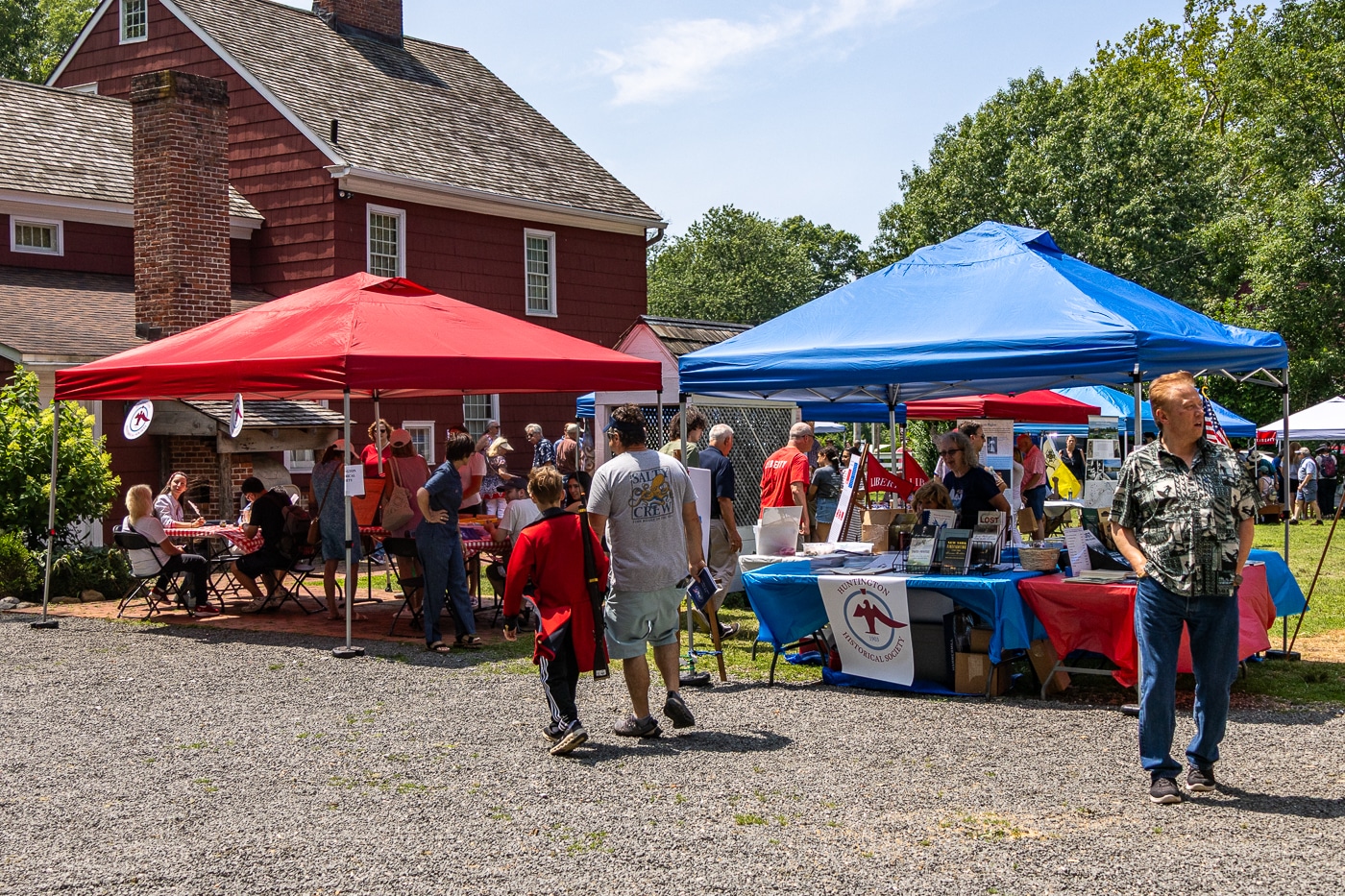
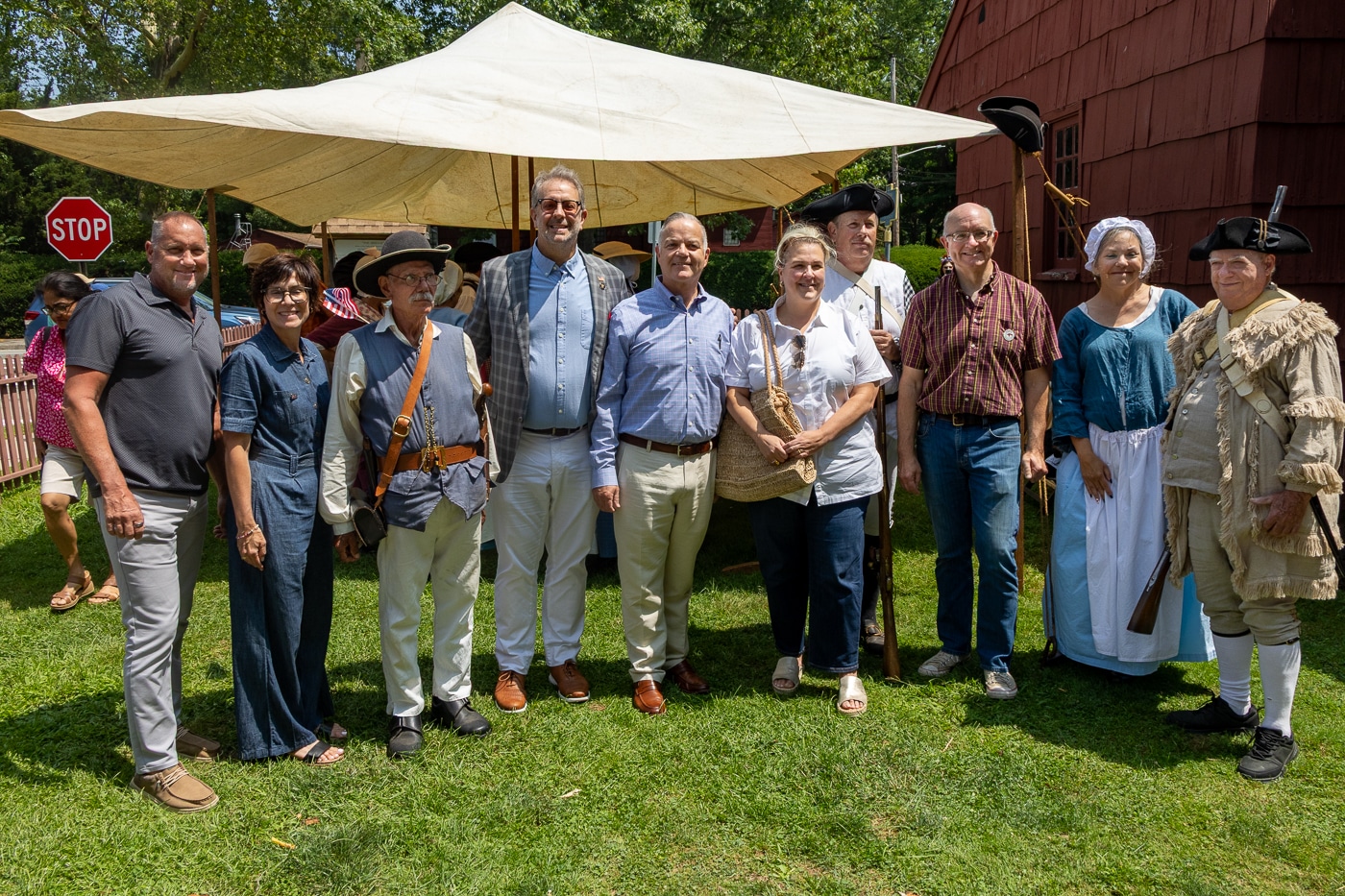
As the afternoon continued, children explored the Huntington Historical Society’s Daniel Kissam House Museum, watched demonstrations of eighteenth-century life, learned about colonial life from the Huntington Militia, and enjoyed performances by the Montaukett Indian Nation Dancers. Visitors also met representatives from many of Huntington’s cultural and historical organizations, including the Huntington Historical Society, Huntington African American Museum, Walt Whitman Birthplace Association, The Whaling Museum and Education Center, Huntington Public Library, Northport Historical Society, Greenlawn-Centerport Historical Association, Heckscher Museum of Art, Huntington Lighthouse Preservation Society, Sons of the American Revolution Long Island, the American Exchange Project, and the Town Clerk’s Office, where Town Clerk Andrew Raia joined former Town Clerk Jo-Ann Raia and Town Archivist Antonia Mattheou to share Huntington’s rich historical records.
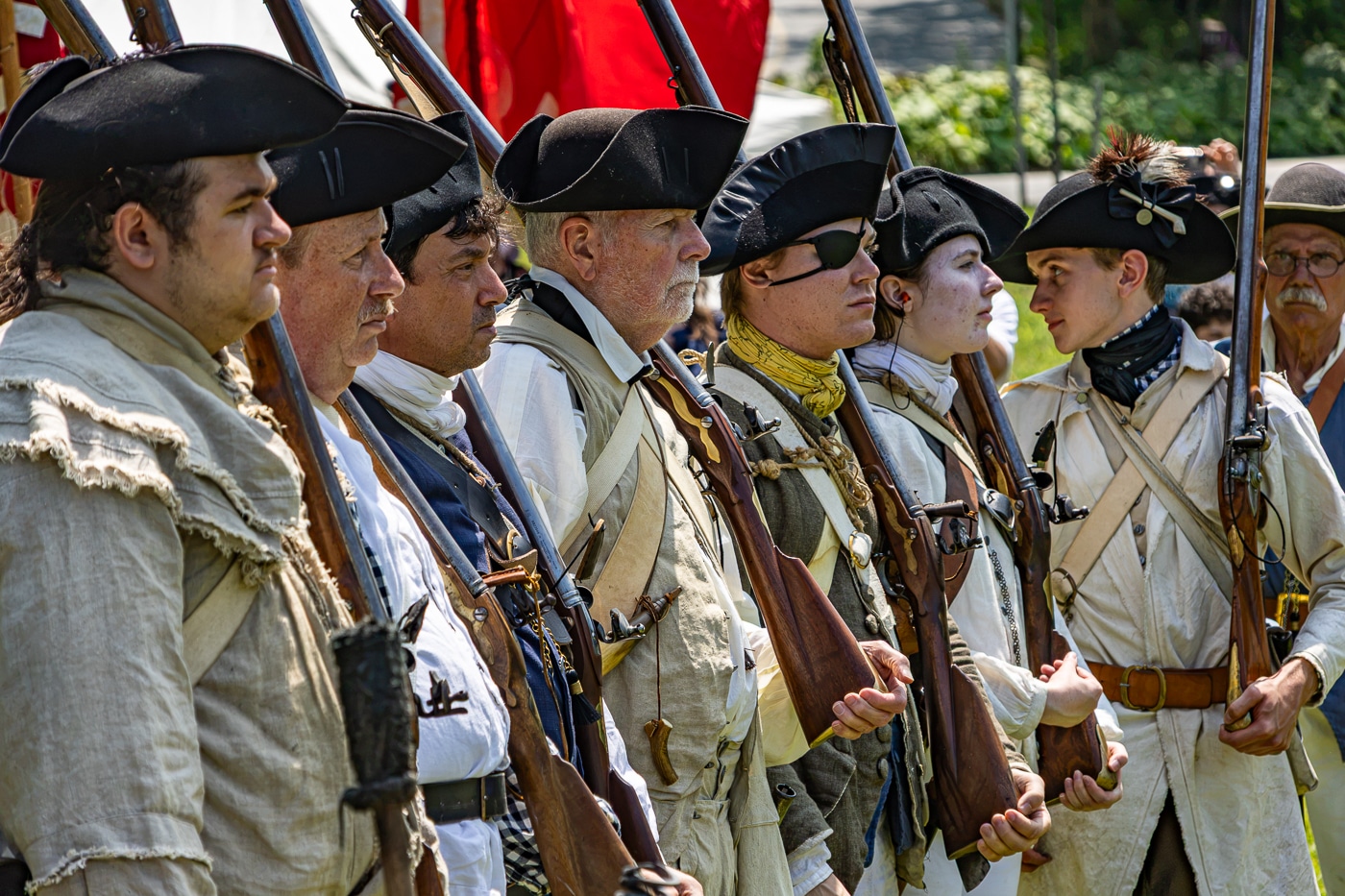
By bringing together historians, museums, preservation organizations, reenactors, Indigenous representatives, elected officials, volunteers, and families, the Town’s 250th anniversary celebration became far more than a commemoration of a single day in history. It showcased the many people and organizations dedicated to preserving Huntington’s past and sharing it with future generations, ensuring that the stories, sacrifices, traditions, and ideals that shaped both the Town and the nation continue to inspire those who call Huntington home.
Photography by Dana E. Richter, June Margolin and Diane Schaber. Videography by June Margolin. Video Editing by Dana E. Richter.