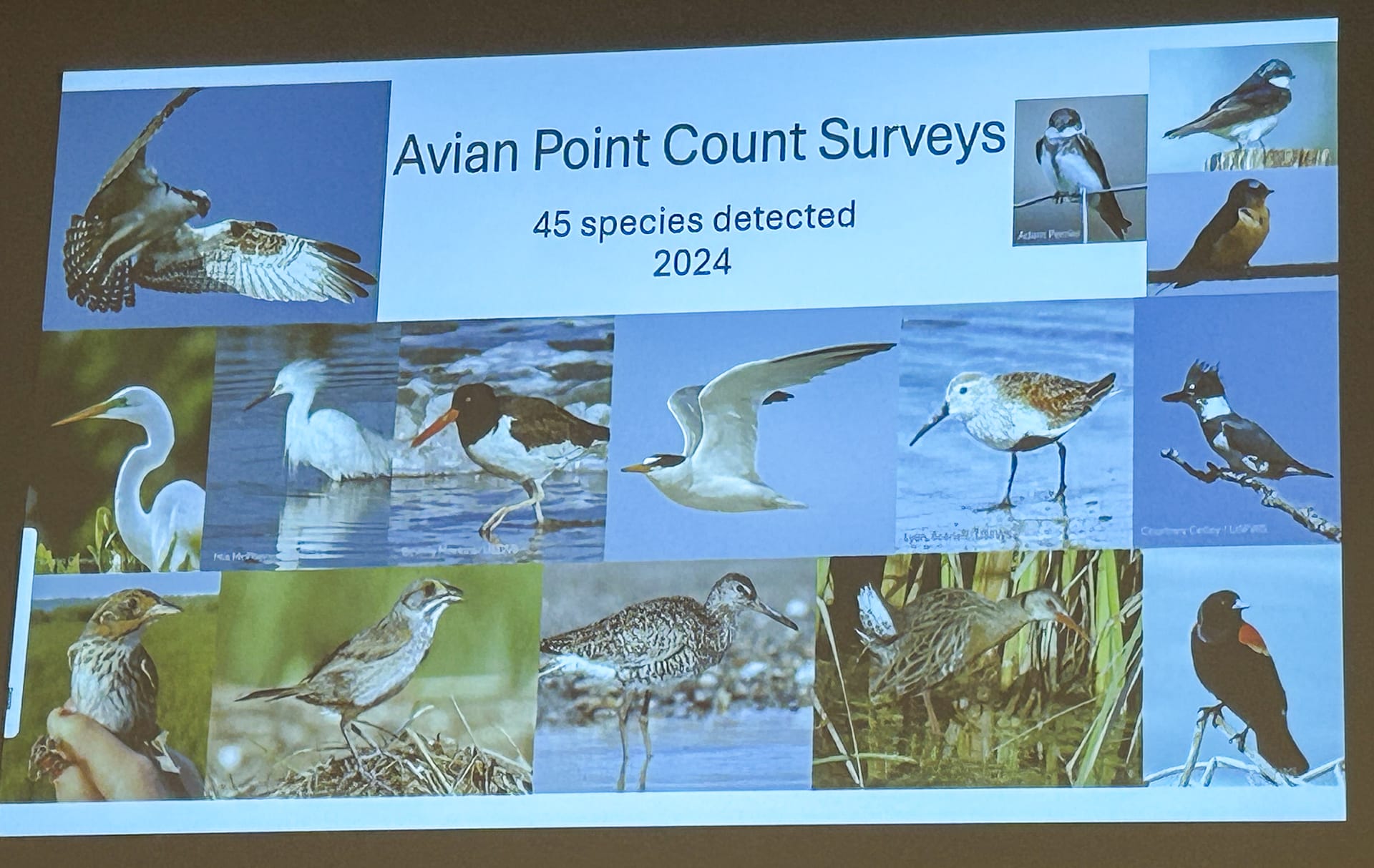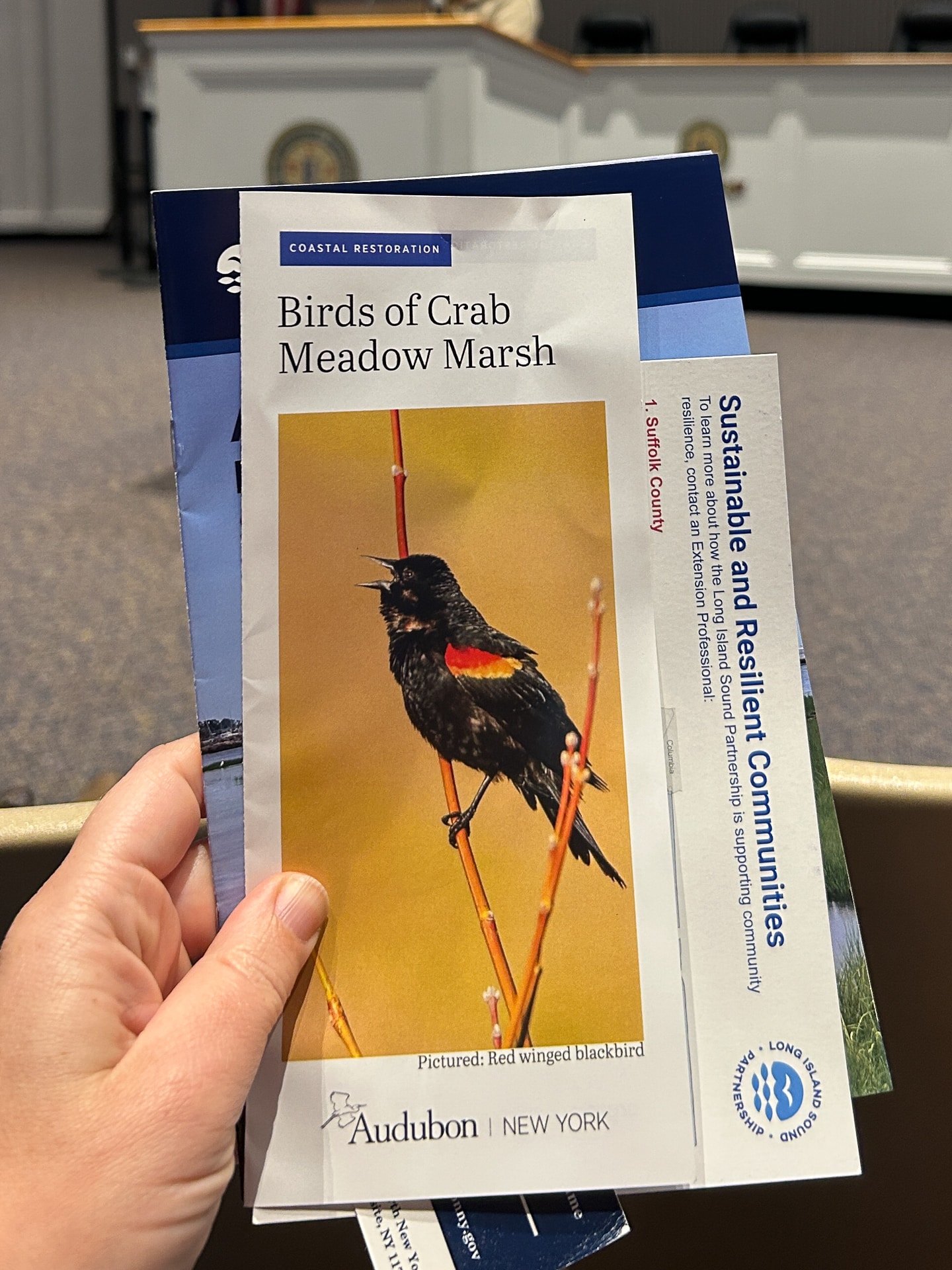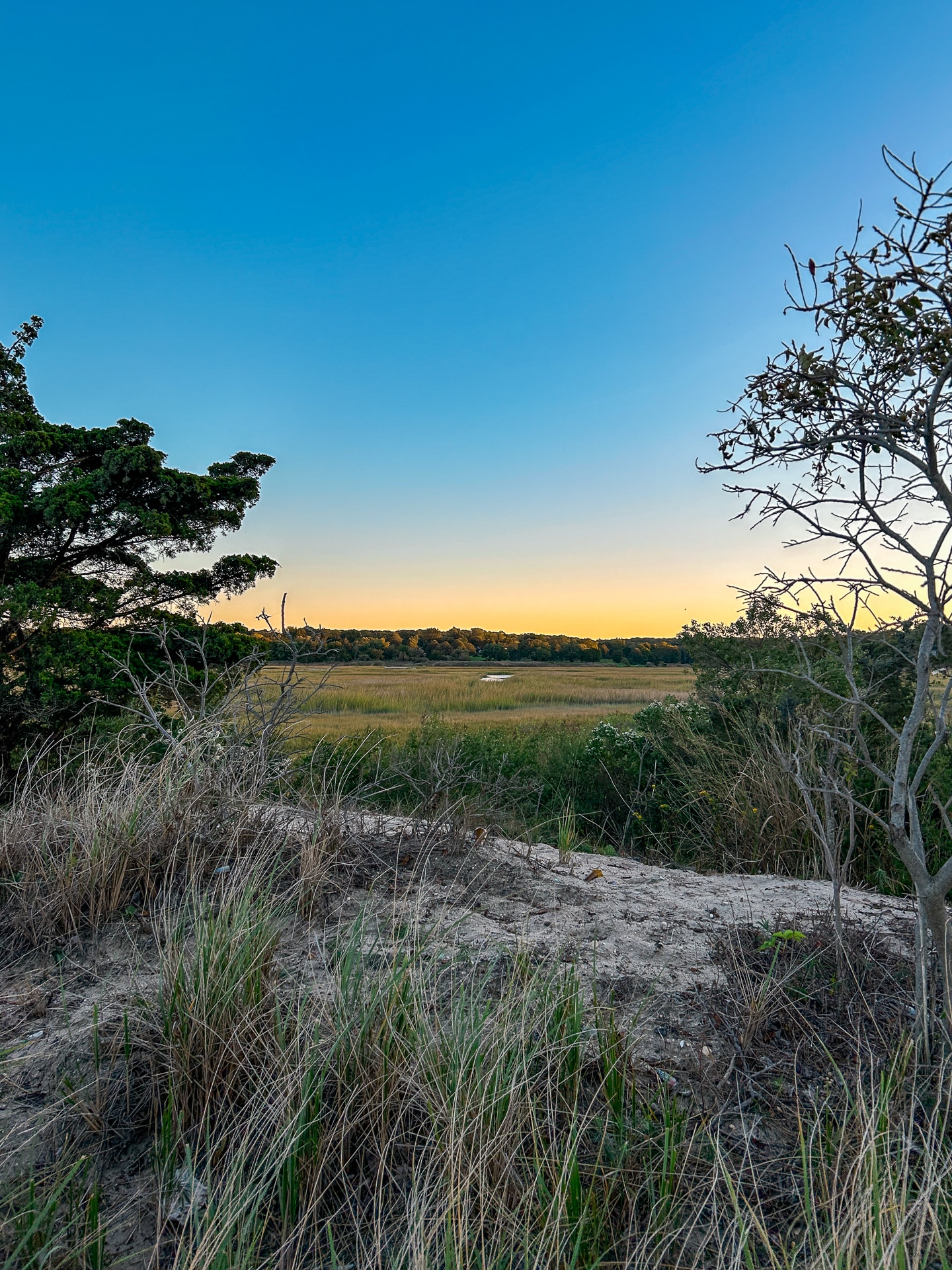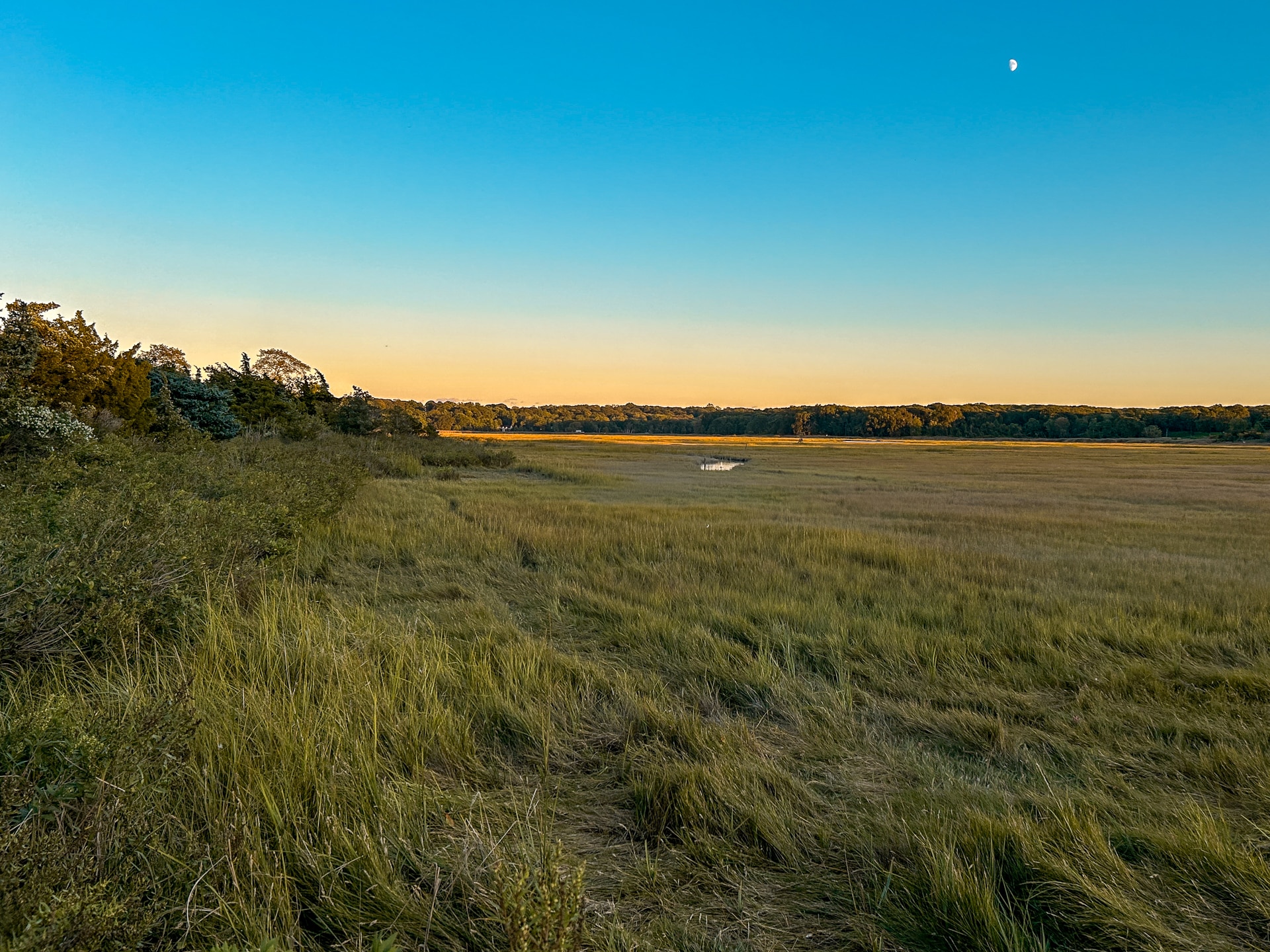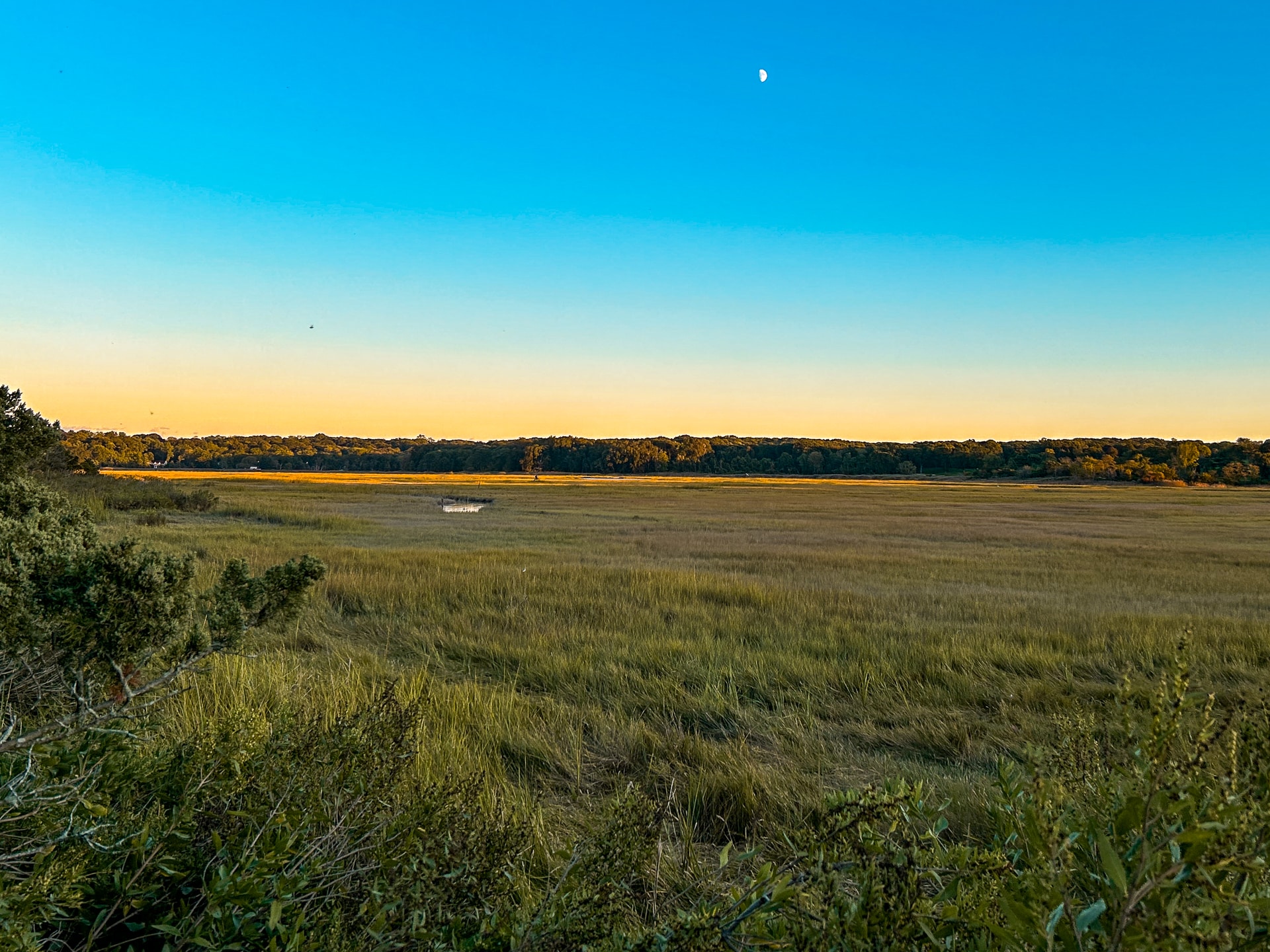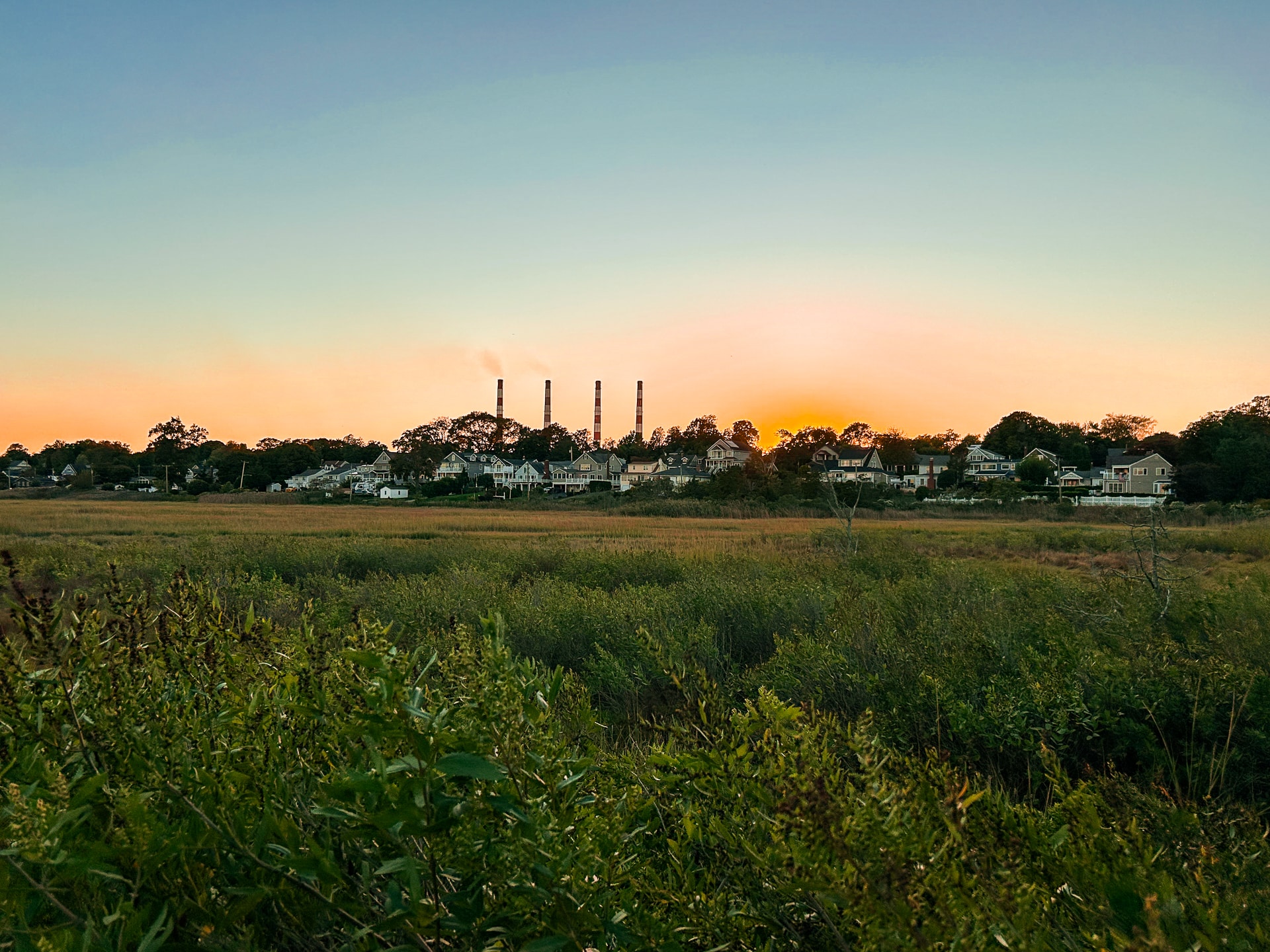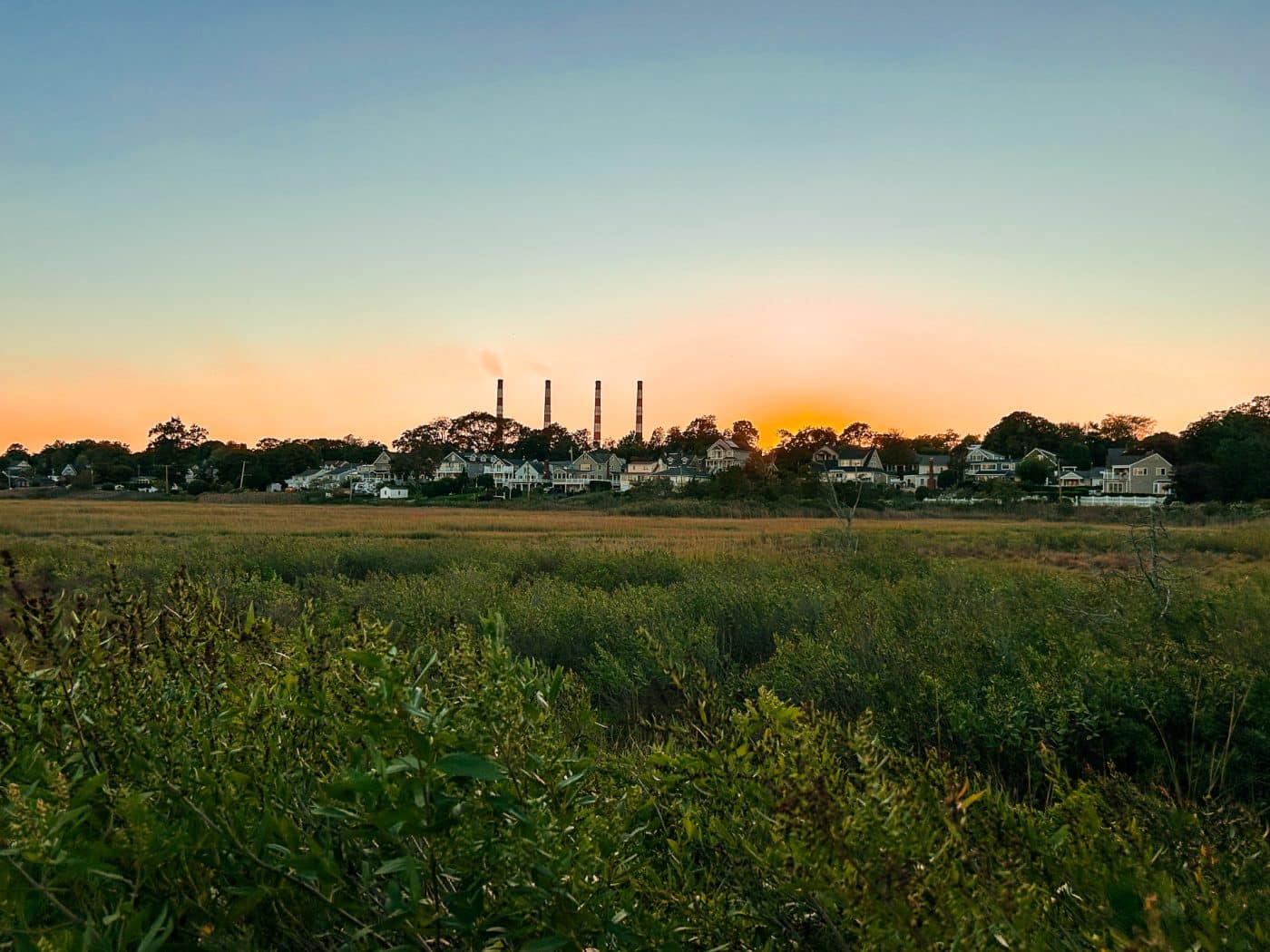
Did you know that the Crab Meadow Salt Marsh serves as a nesting and feeding habitat for over 45 bird species? Ospreys, Swallows, Herons, Gulls, Piping Plovers, Sand Plovers, Northern Harriers, Egrets, Belted Kingfishers, Saltmarsh Sparrows, Seaside Sparrows, Clapper Rails, American Oystercatchers, and Red Winged Blackbirds – just to name a few of our feathered friends making a home in our community’s salt marsh.
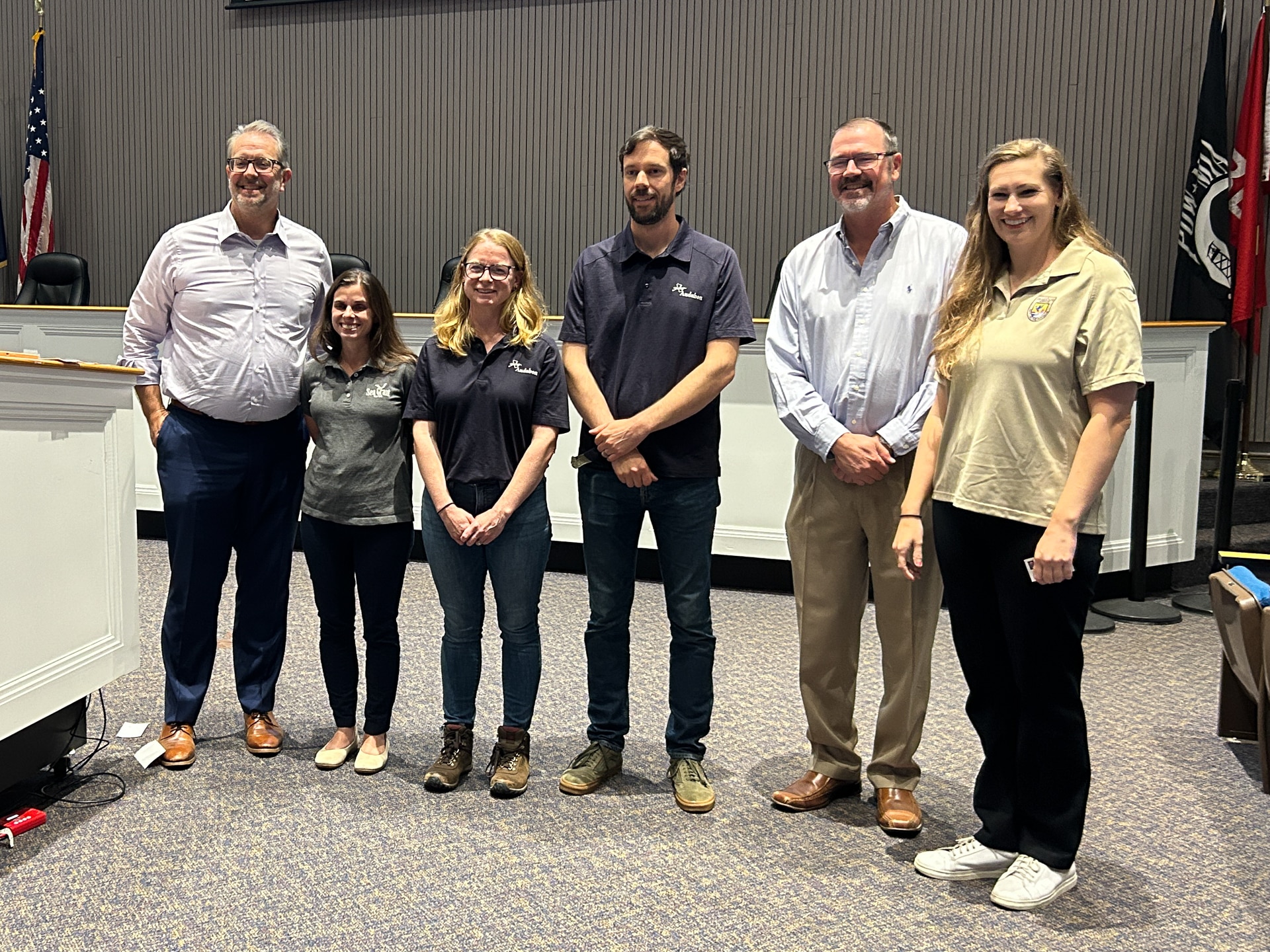
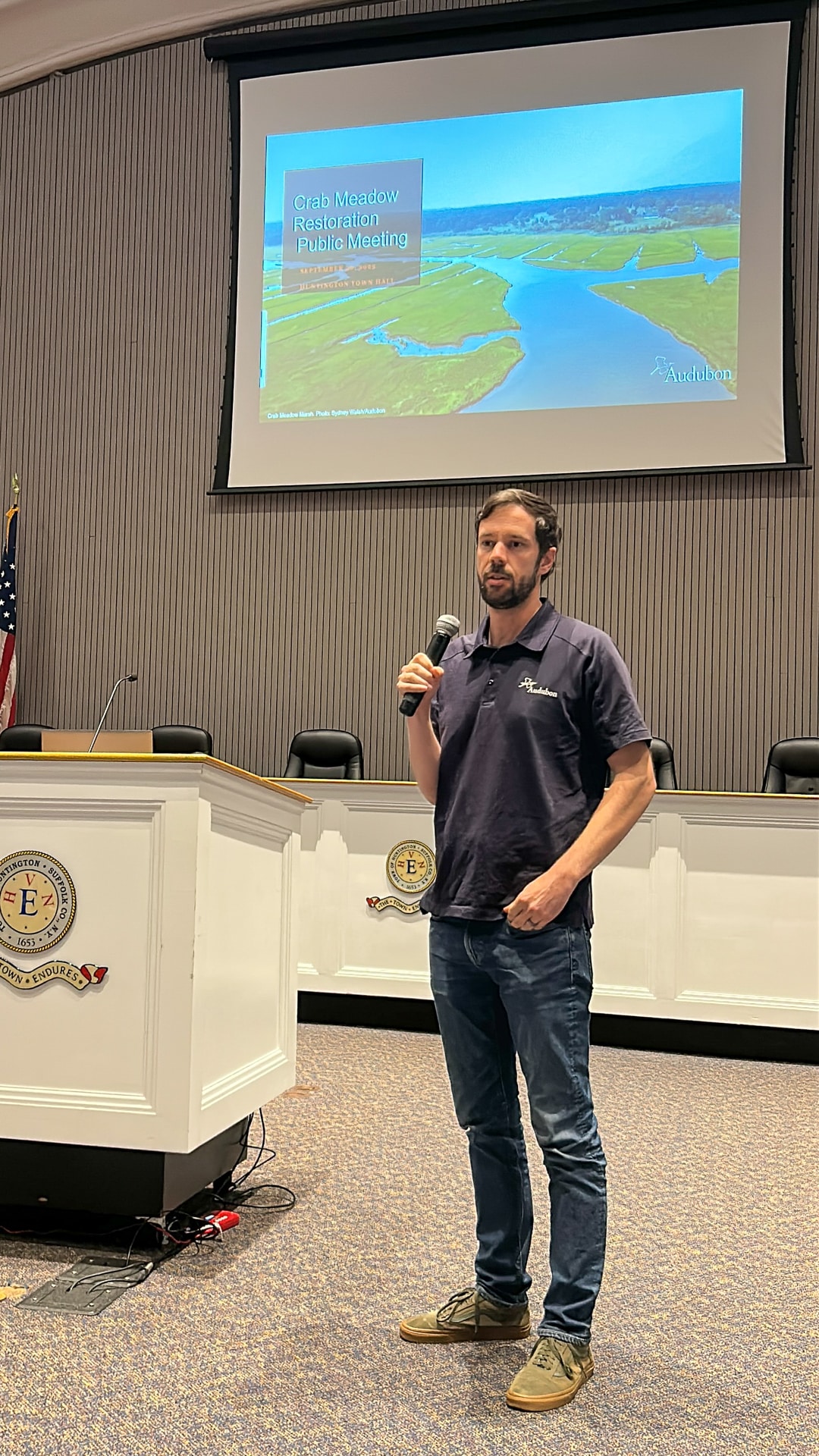
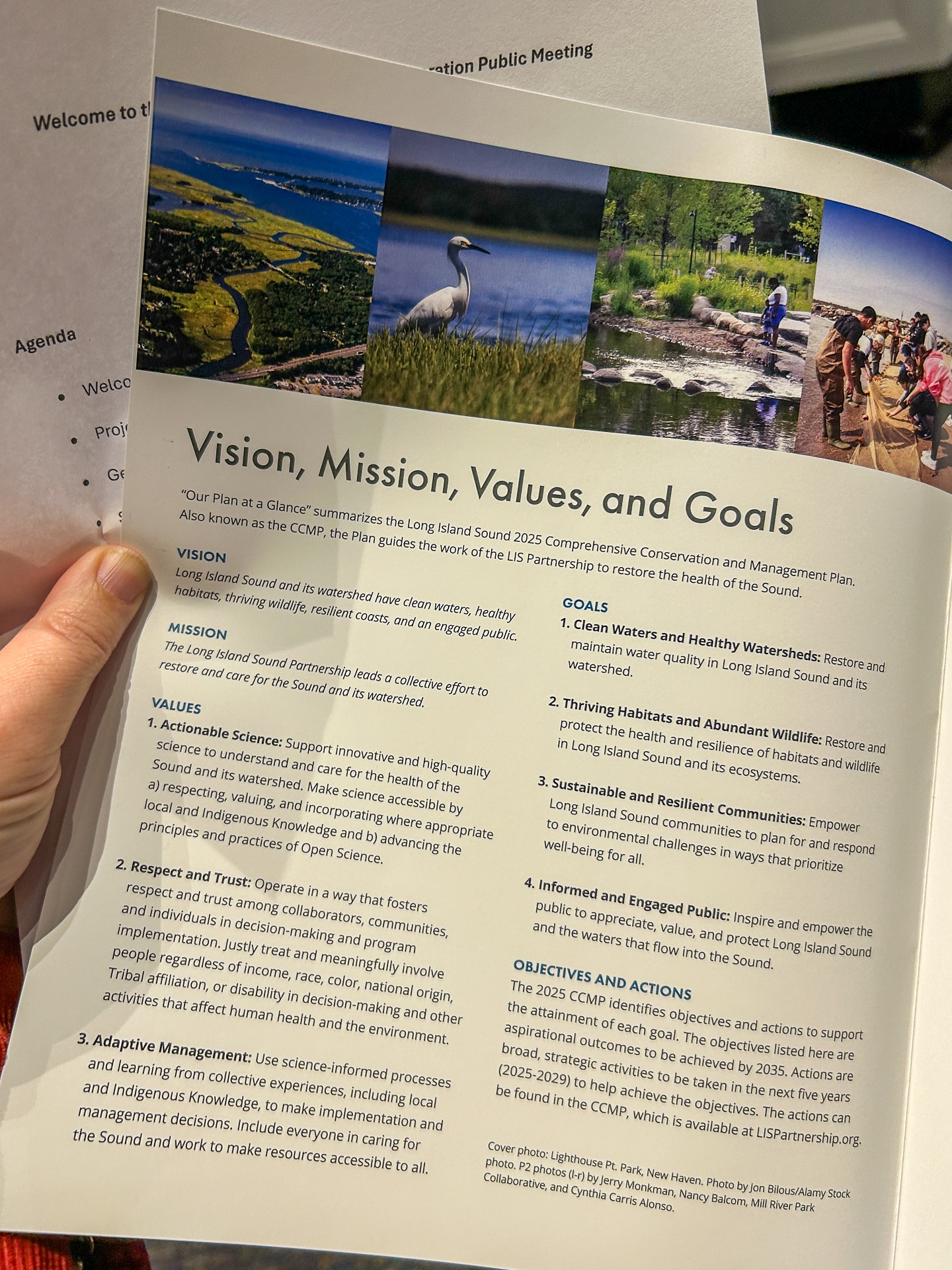
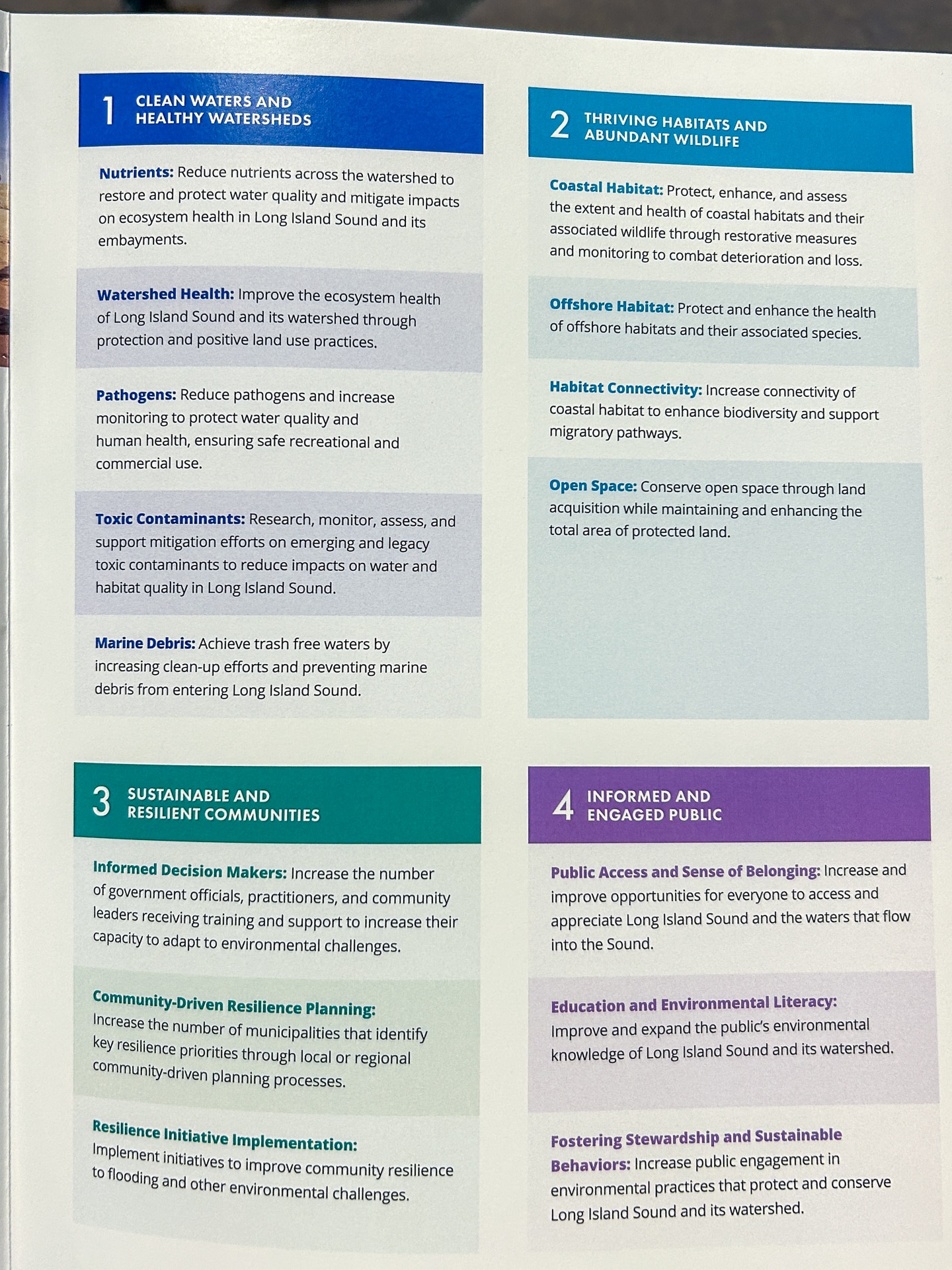
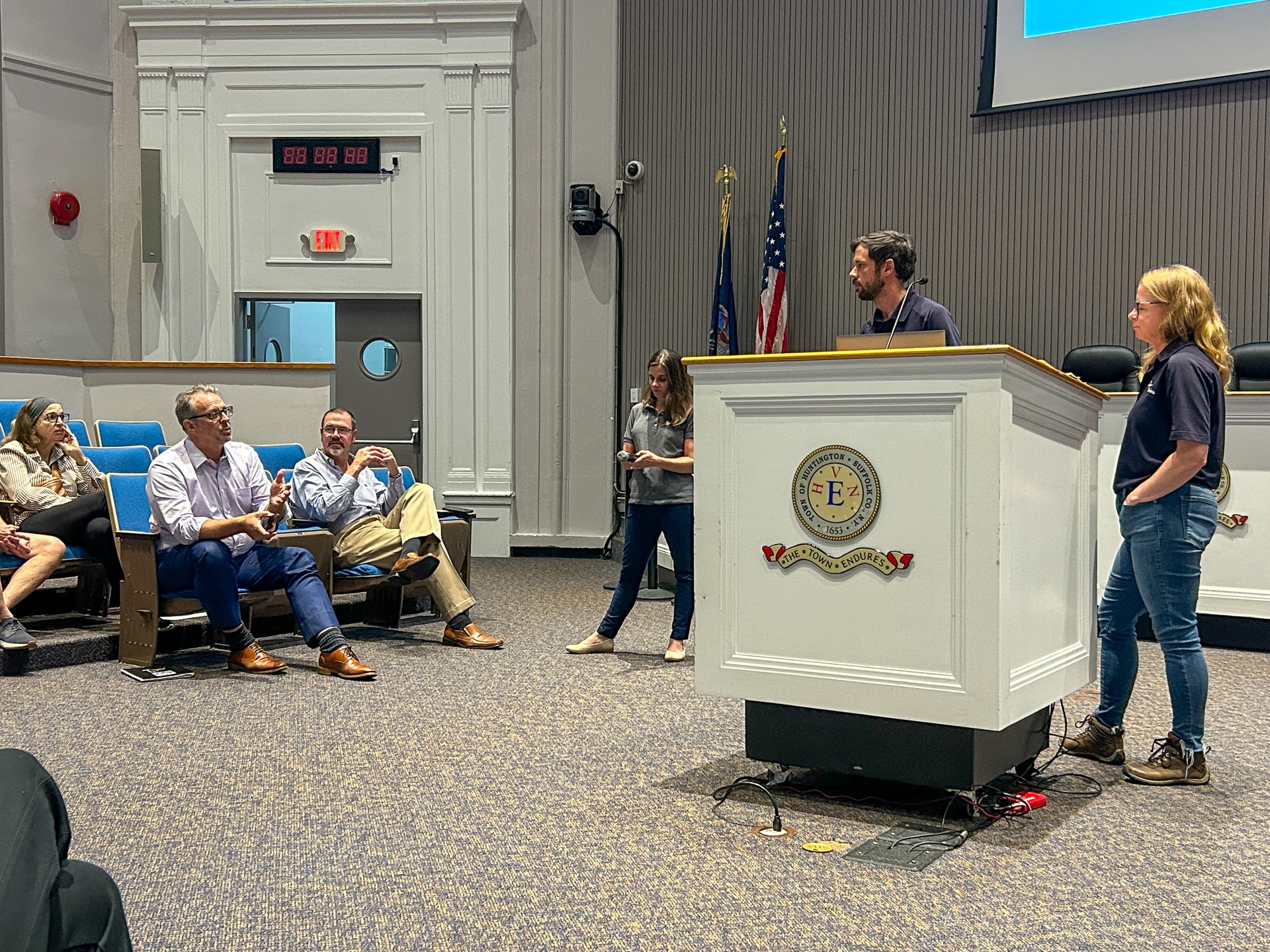
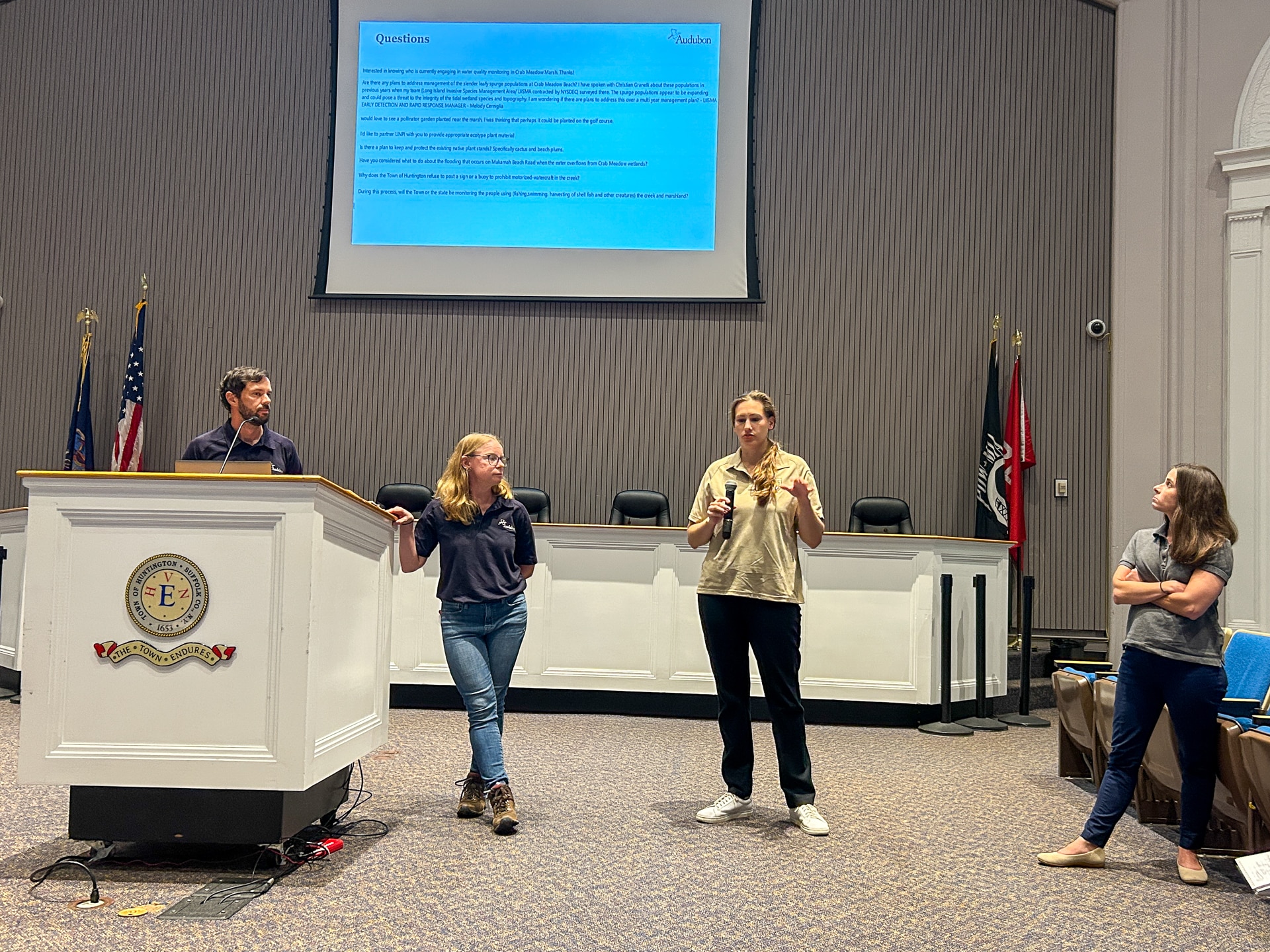
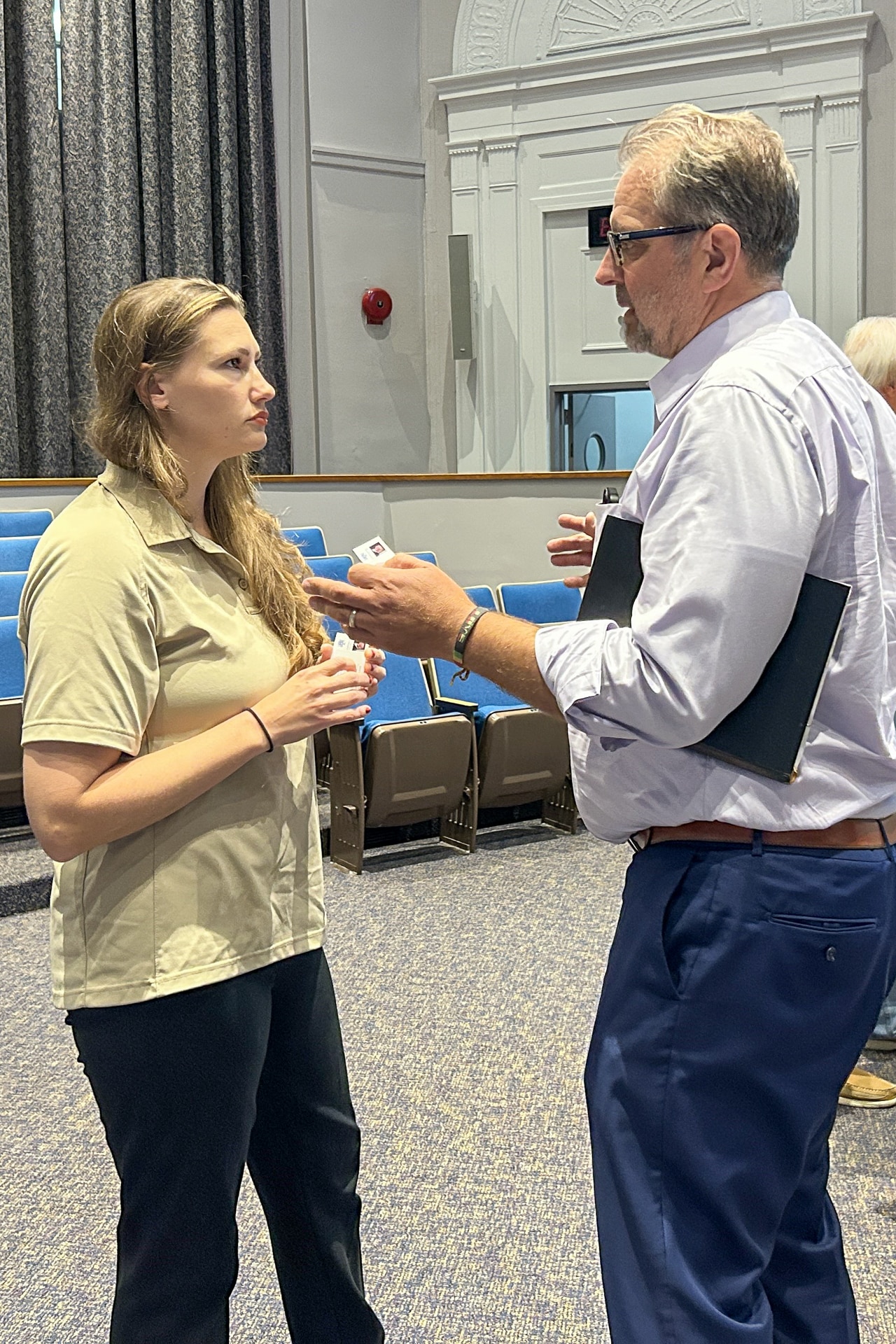
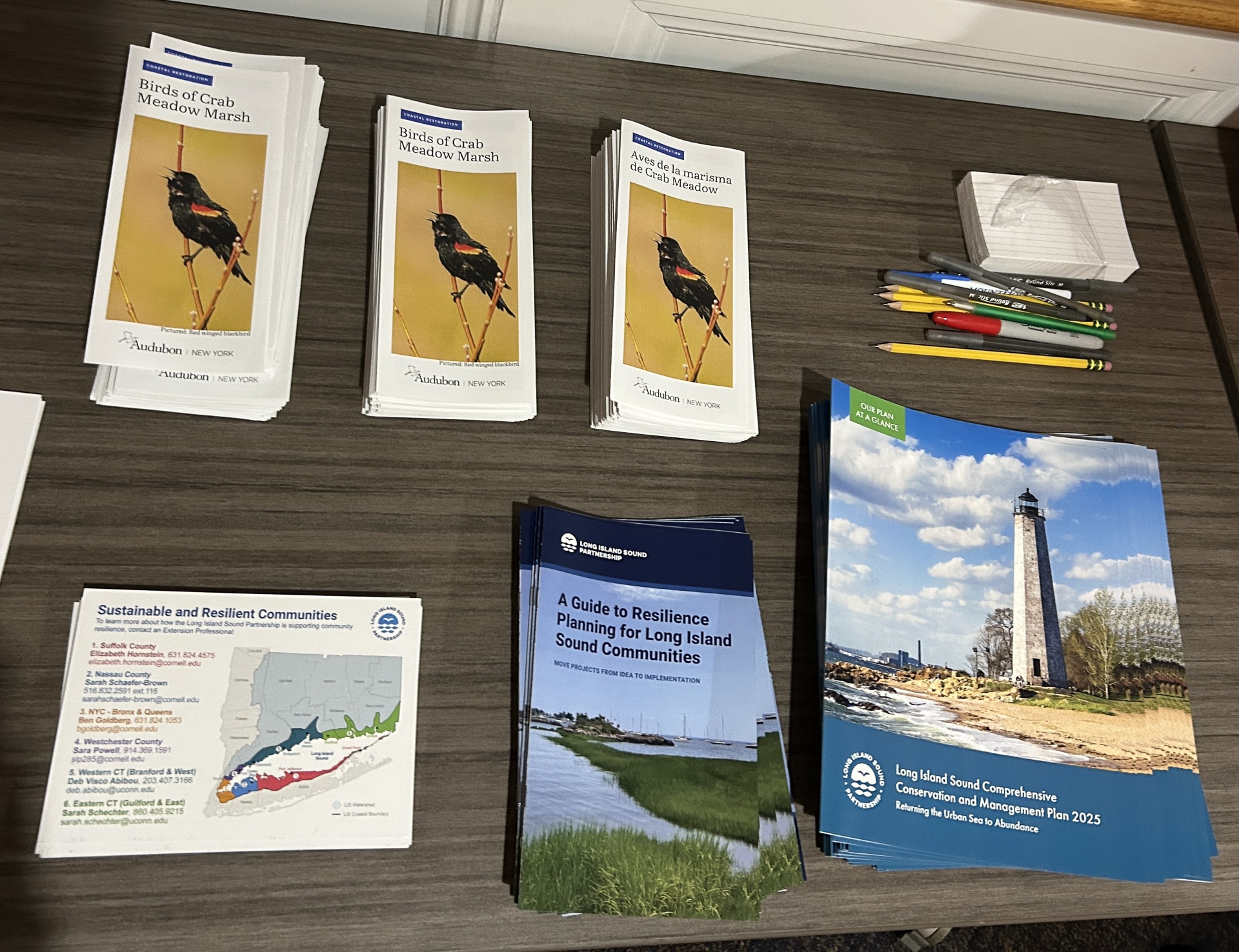
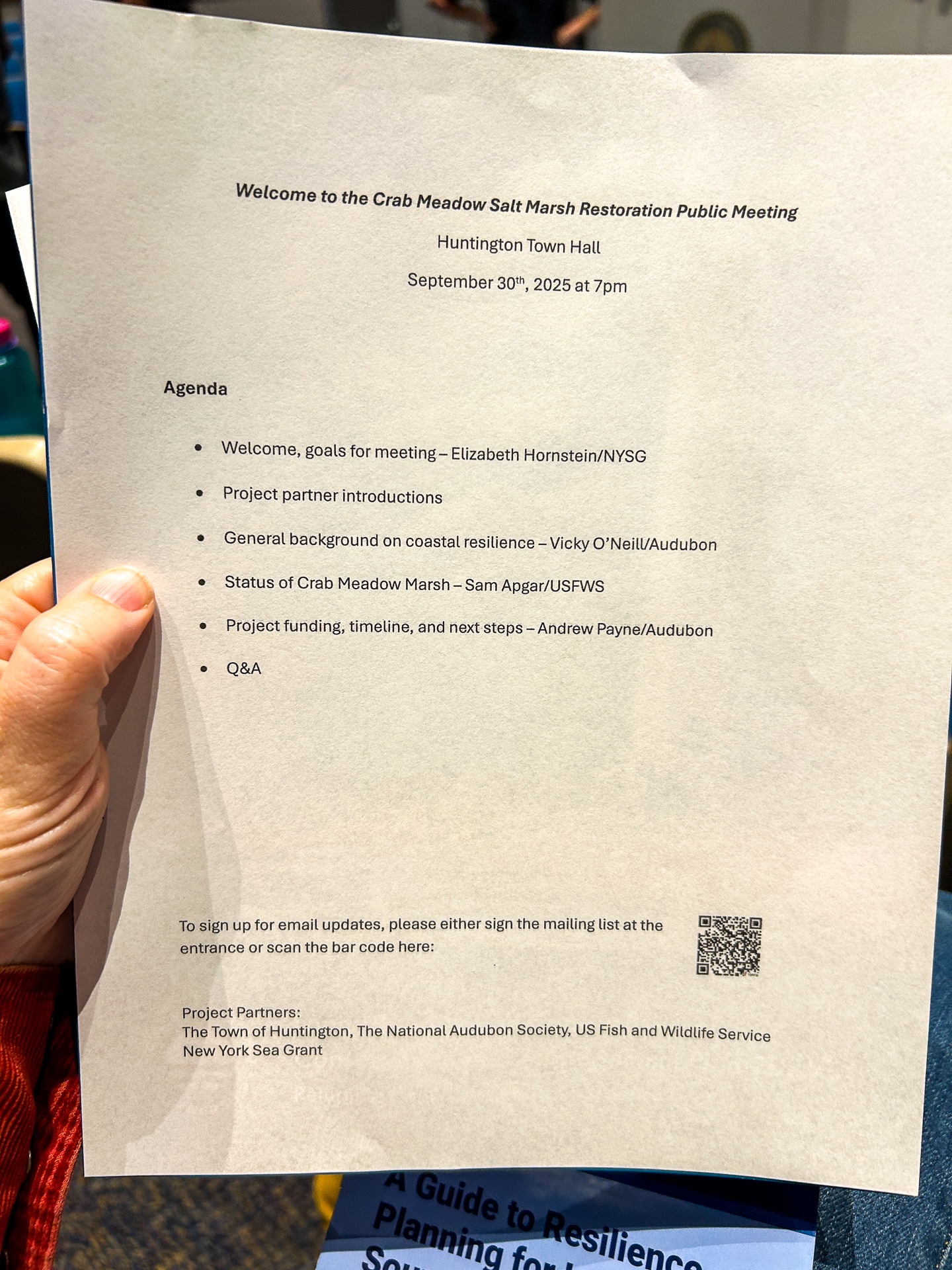
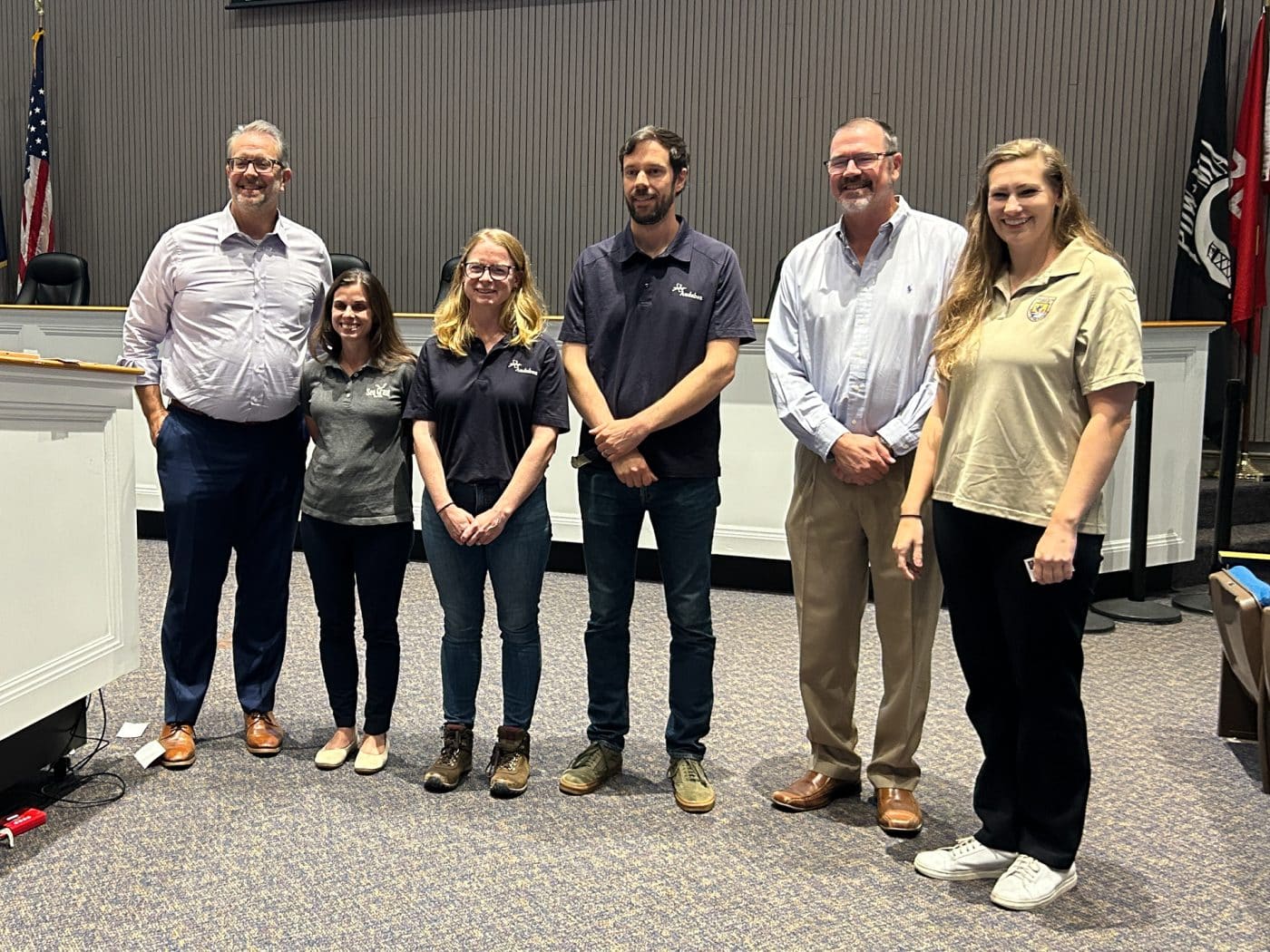
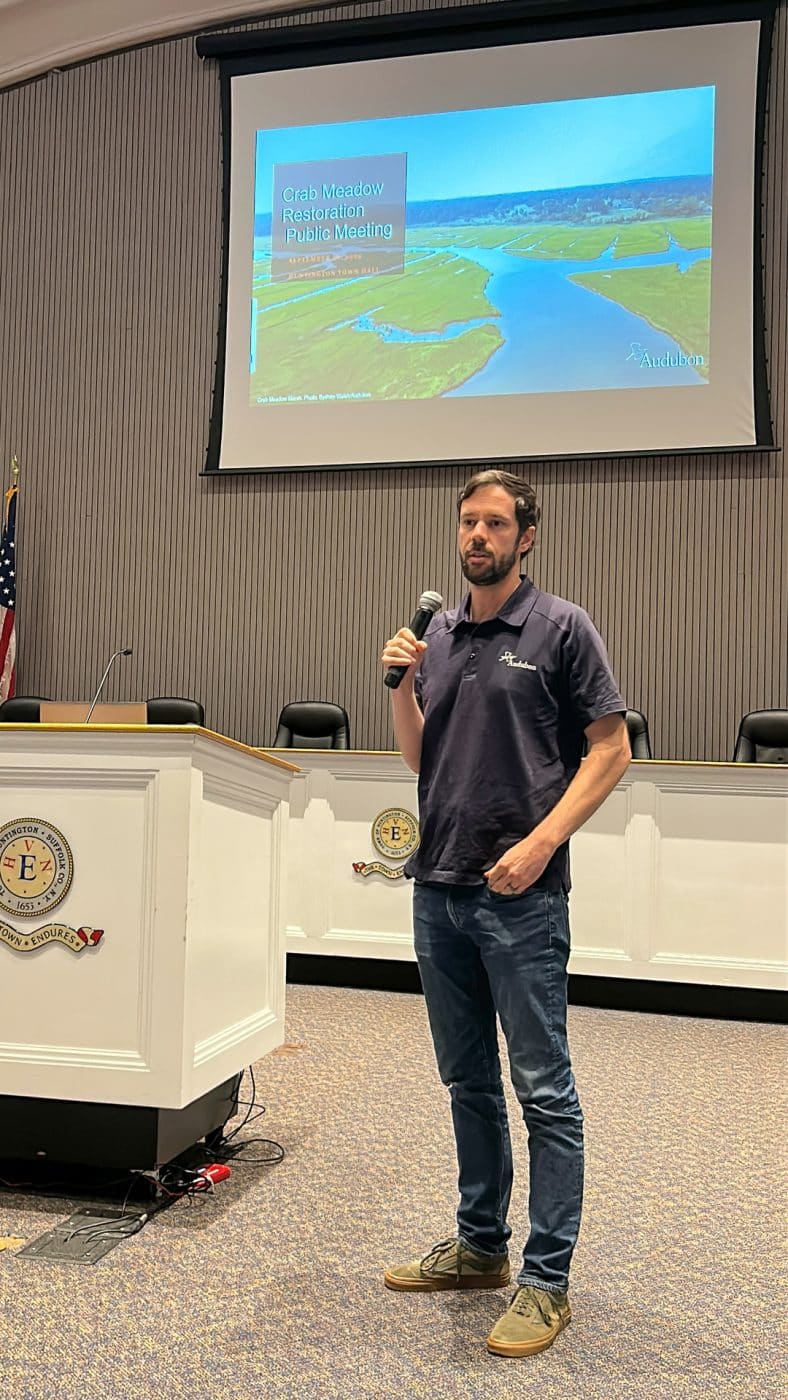
On Tuesday, September 30, a public meeting was held at Town Hall to present plans for a restoration initiative at the Crab Meadow salt marsh/Jerome A. Ambro Memorial Wetland Preserve. The evening’s speakers included Town of Huntington Maritime Services Director, Garrett Chelius; New York Sea Grant SRC Specialist, Elizabeth Hornstein; Audubon Society Coastal Resilience Director, Vicky O’Neill; US Fish and Wildlife Service Wildlife Biologist, Sam Apgar; and Audubon Society Coastal Resilience Sr. Manager, Andrew Payne. Community members were invited to attend, provide feedback, and ask questions about the restoration plans.
What is a Salt Marsh?
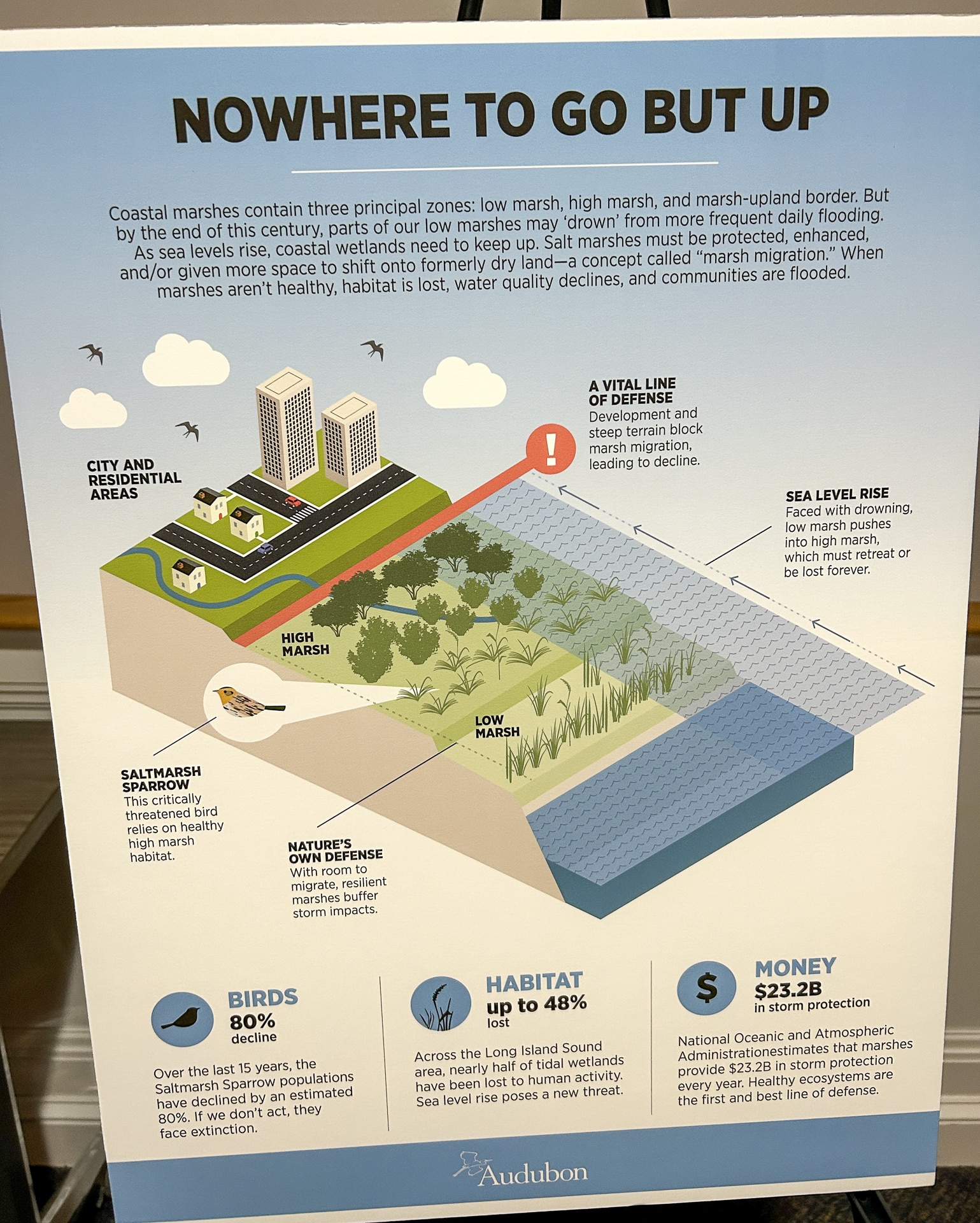
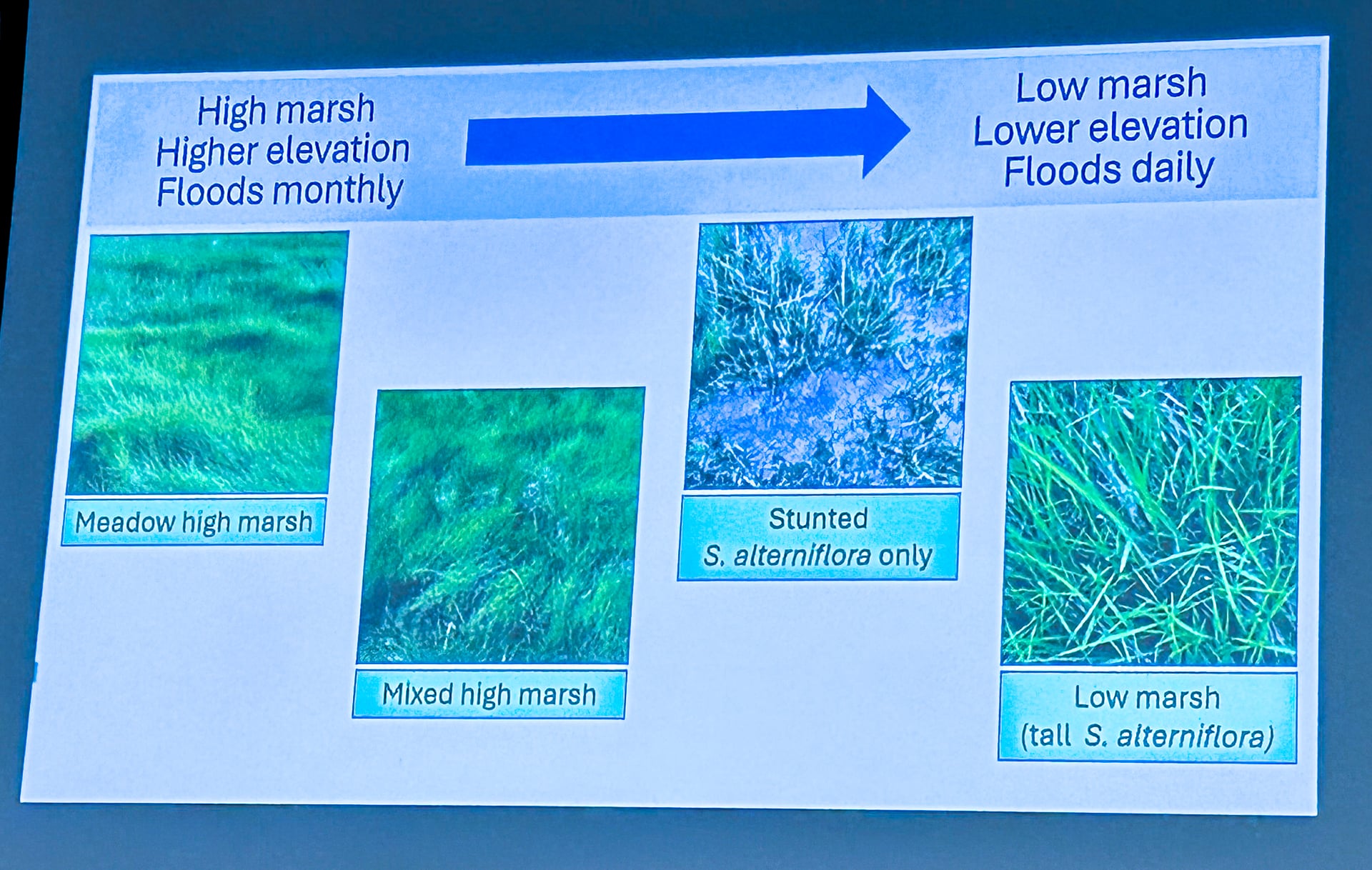
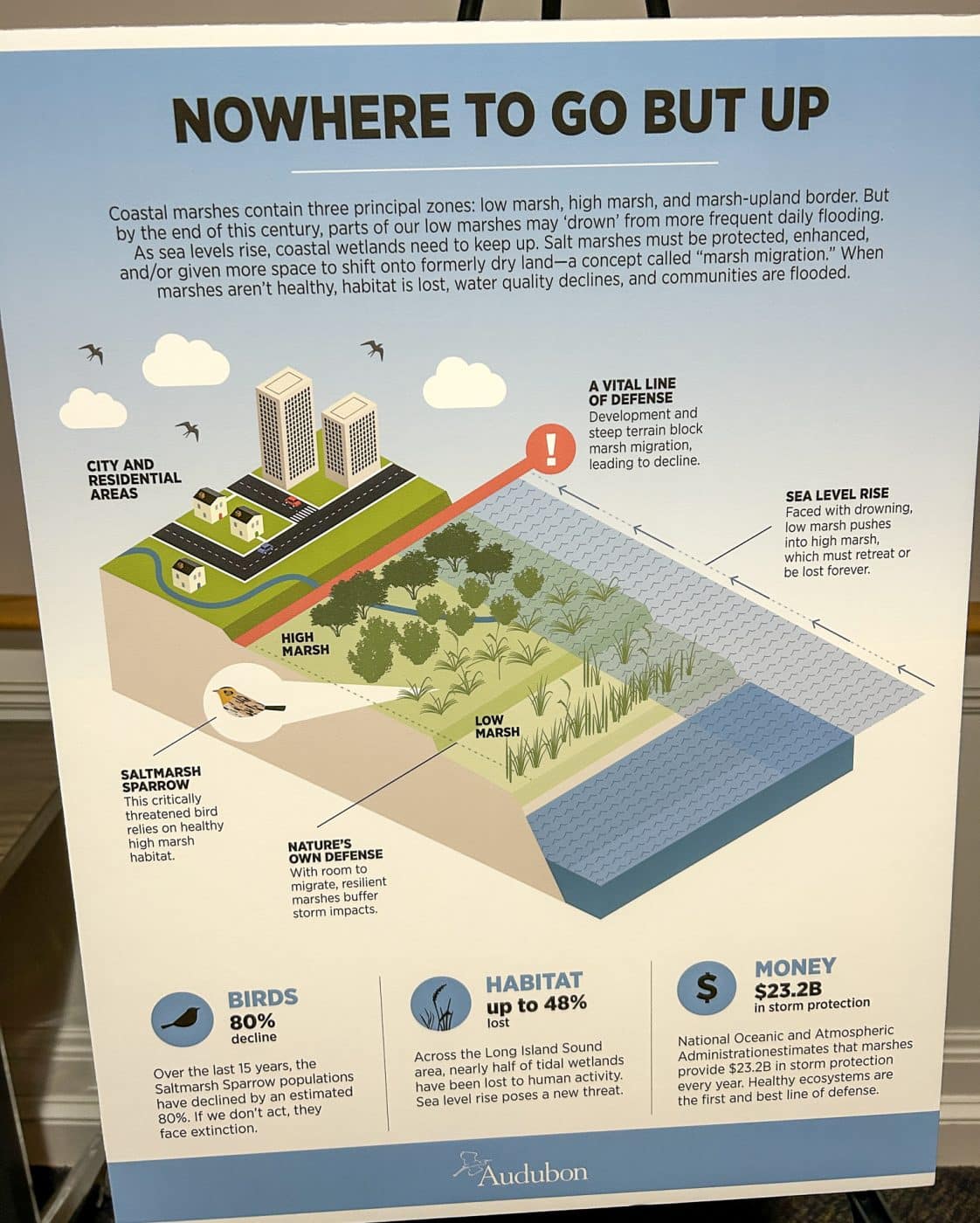
A salt marsh is a coastal wetland that is regularly flooded by a saltwater tide. Salt marshes contain habitats and microhabitats that thrive in the various flooding conditions of the salt marsh. It serves as a critical breeding, feeding, and resting ground for many shellfish, finfish, turtles, mammals, and bird species. One key function of a salt marsh is the absorption of wave energy during a storm, which slows down water and reduces the impact to infrastructure in the area. The plants in the salt marsh also help to remove pollutants from the water by the process of nitrogen removal. Underneath that tall grass is an entire ecosystem right in our backyard – one whose health is vital to the wellbeing of our community.
Salt Marshes Severely Misunderstood
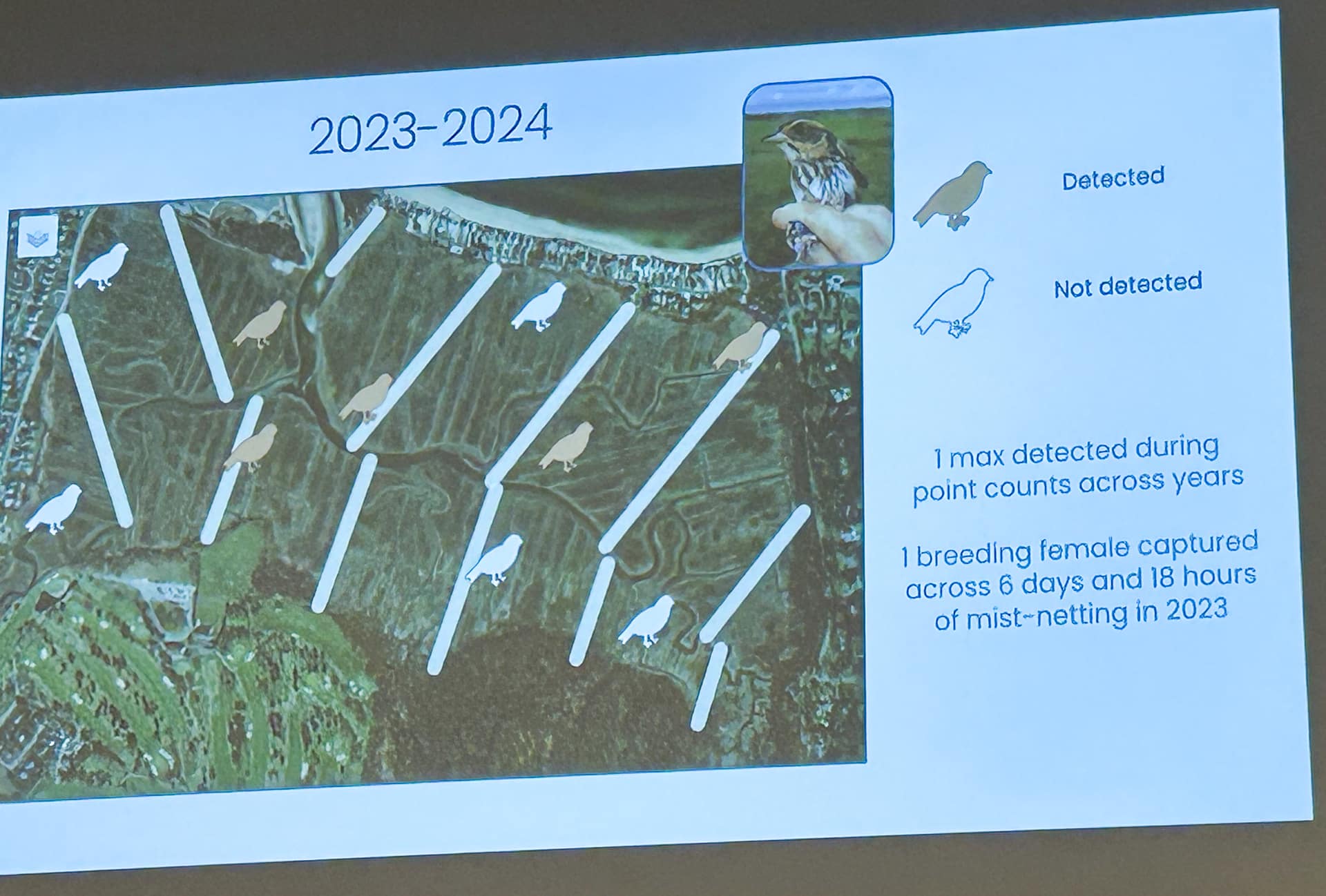
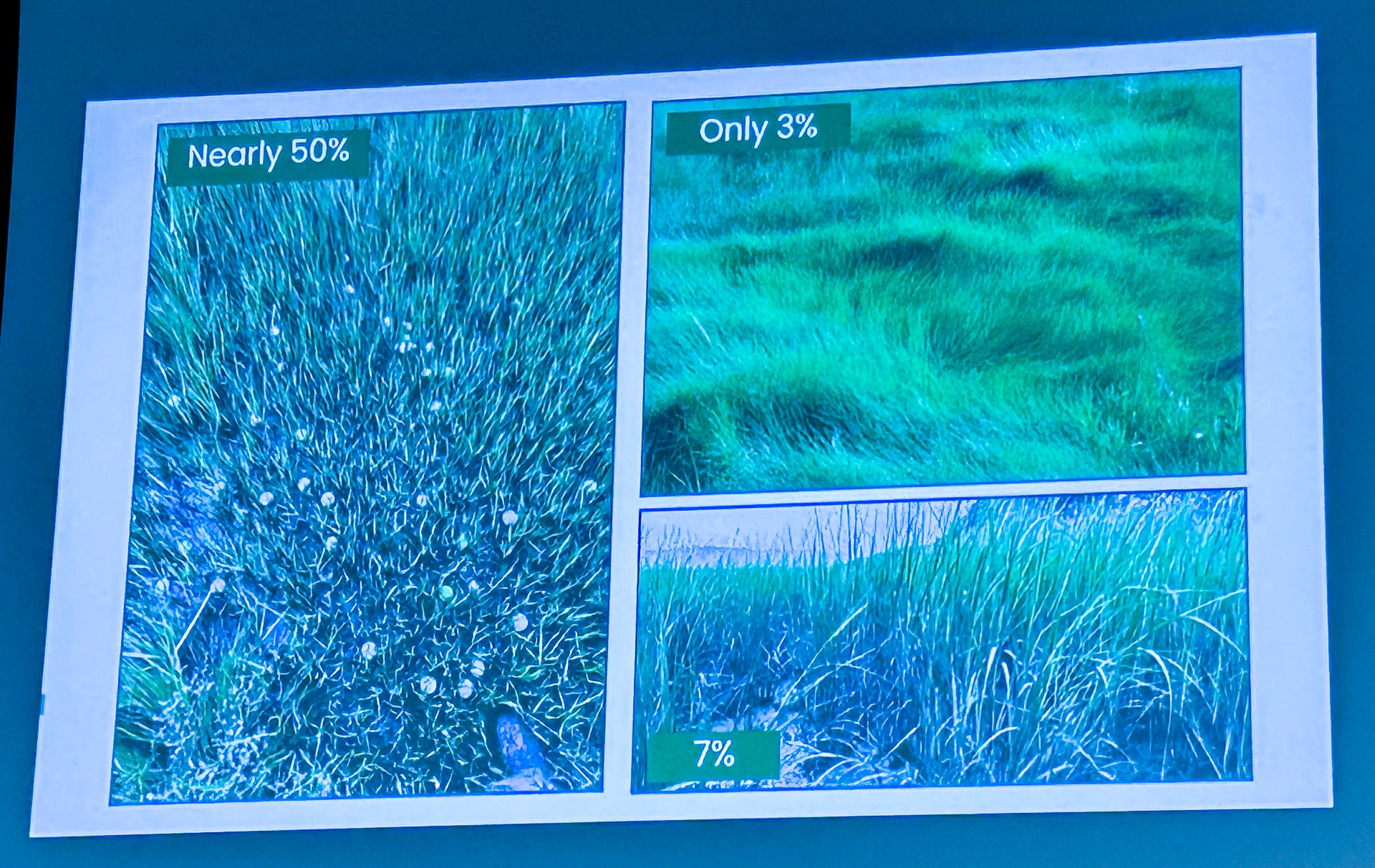
Salt marshes have historically been misunderstood. From the 1600s through the 1960s, marshes were perceived as “wasted land” and often filled in for development purposes. Seen as useless, they were packed with sediment and built upon for everything from agriculture to housing to waste disposal areas. To reduce the impact of mosquitoes for marshes which were not built upon, manmade trenches called mosquito ditches were implemented in an estimated 90% of east coast salt marshes. Unfortunately, these mosquito ditches have brought more harm to the marsh by altering its hydrology. Moreover, invasive plants called Phragmites have also been planted within the Crab Meadow salt marsh, contributing to its degradation. Ultimately, the historical treatment of marshes overall has had a negative impact, altering their natural diversity, and putting animals in this habitat at risk. One such at-risk bird is the Saltmarsh Sparrow, who thrives in the salt marsh and nests only in the high marsh habitat area. With the degradation of the Crab Meadow salt marsh, this bird can no longer reliably nest in its habitat. The Saltmarsh Sparrow nests 2 – 3 feet off the ground in the high-marsh grasses, timing egg-laying so chicks fledge before Spring tides rise. However, with the rise of sea level, the marsh is now flooding more often, drowning the eggs and young birds. A rapidly declining species, the Salt Marsh Sparrow is expected to become extinct within the next 25 years if interventions are not pursued. Addressing the well being of the Salt Marsh Sparrow species is considered a high priority as part of this restoration.
Crab Meadow Marsh Restoration Project
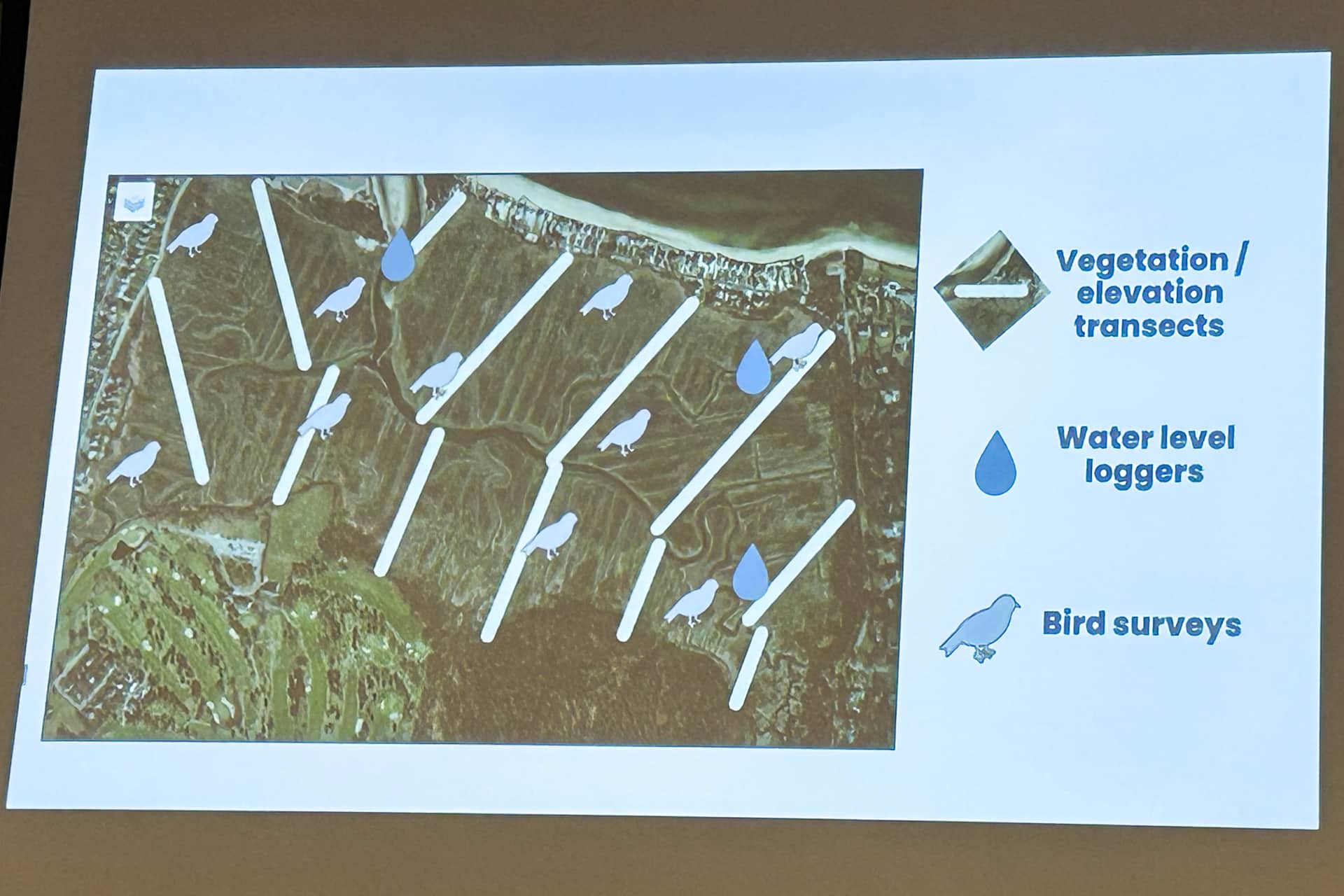
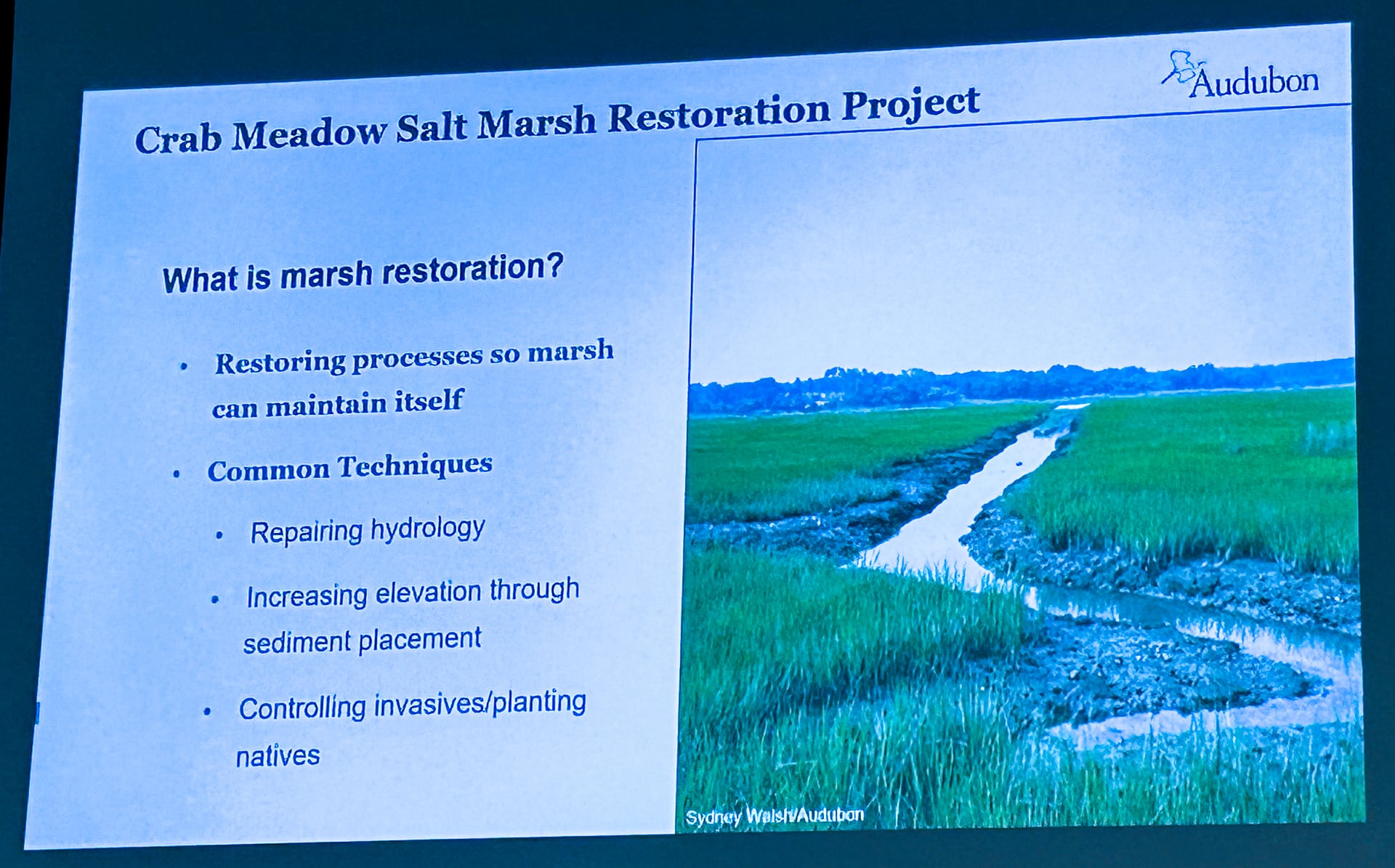
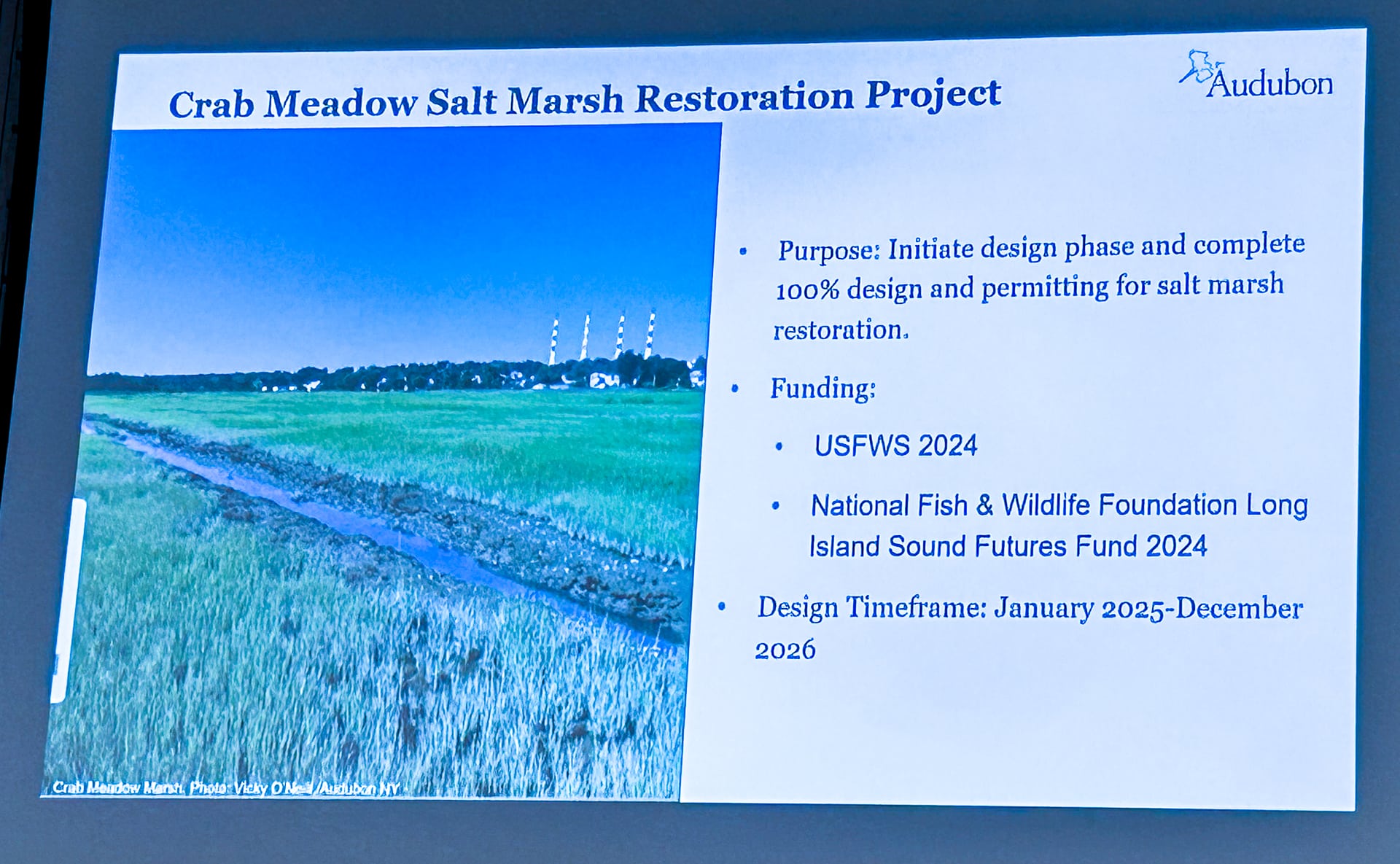
In partnership between the Town of Huntington, The Audubon Society, and the US Fish and Wildlife Service, funding has been granted for a watershed plan to restore our marsh. But what does a restoration look like? As Andrew Payne stated, the goal is not to get back to a particular point in time of restoration, rather restore the natural processes of the marsh so that it can maintain itself. Repairing hydrology (think: mosquito ditching), increasing the marsh elevation through sediment placement (think: Saltmarsh Sparrows), and controlling invasive plant species (think: Phragmites) by removing and replacing with native species. The project is currently in its design phase, and could include any or all of these options. EA Engineering, who has been awarded the contract for the Crab Meadow salt marsh restoration, will propose various design options and conduct analysis prior to construction. The design phase is expected to be complete by December 2026. Permitting and additional funding will be necessary to move into the construction phase of the restoration initiative. A second public meeting will be held once plans are finalized and construction begins.
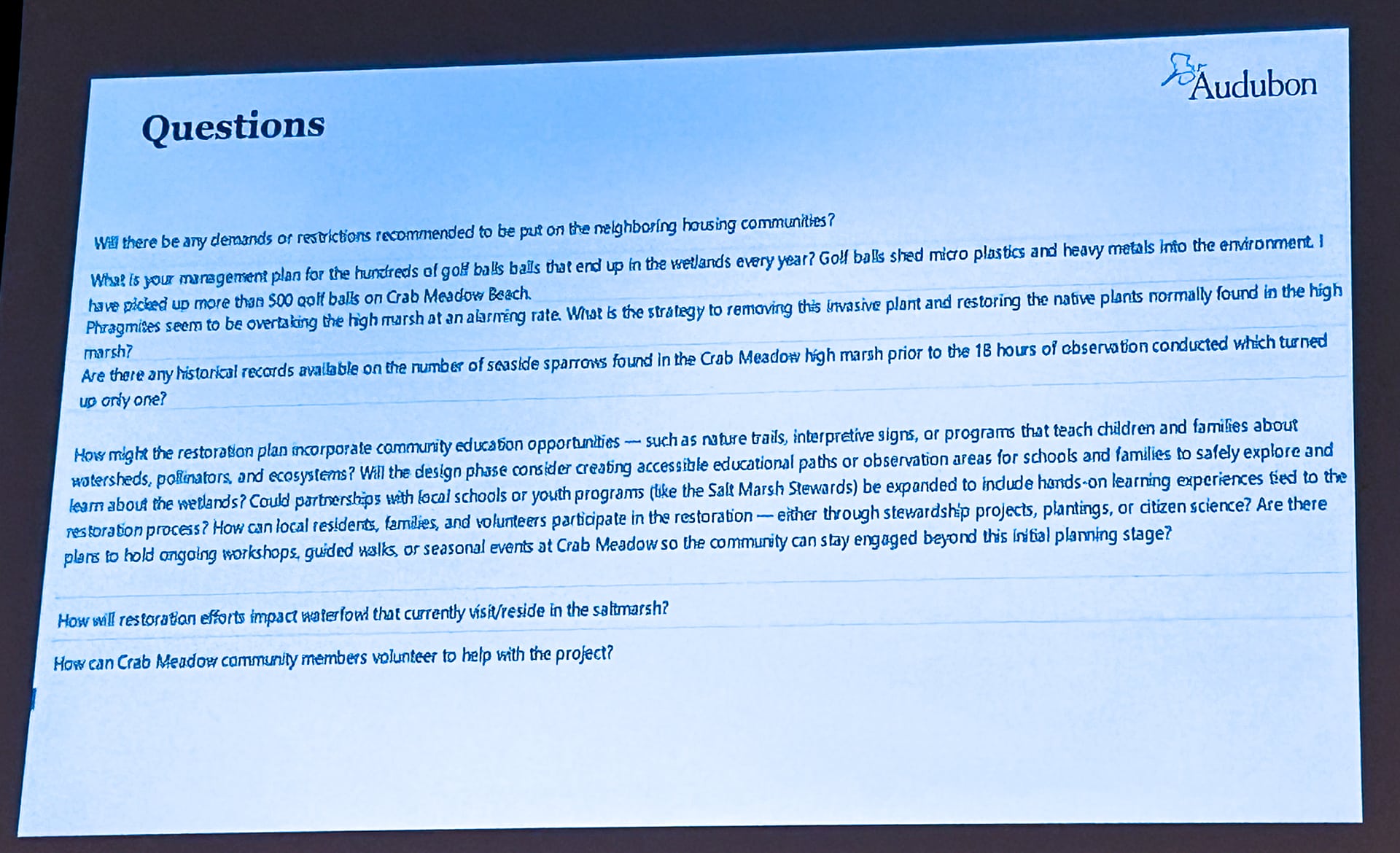
Many thoughtful questions were raised from the community during this meeting. Some of the adjacent environmental concerns, such as golf balls ending up in the wetlands annually, were highlighted, indicating need for more cleanup events. There was high interest among the community in controlling the invasive Phragmite plant population and leaning into resources and expertise from our local native plant initiatives. Other points of interest included ways for the community to better understand our wetlands, with a proposal for educational paths and observation areas for community members to safely explore, and expanded volunteer opportunities.
Staying Informed
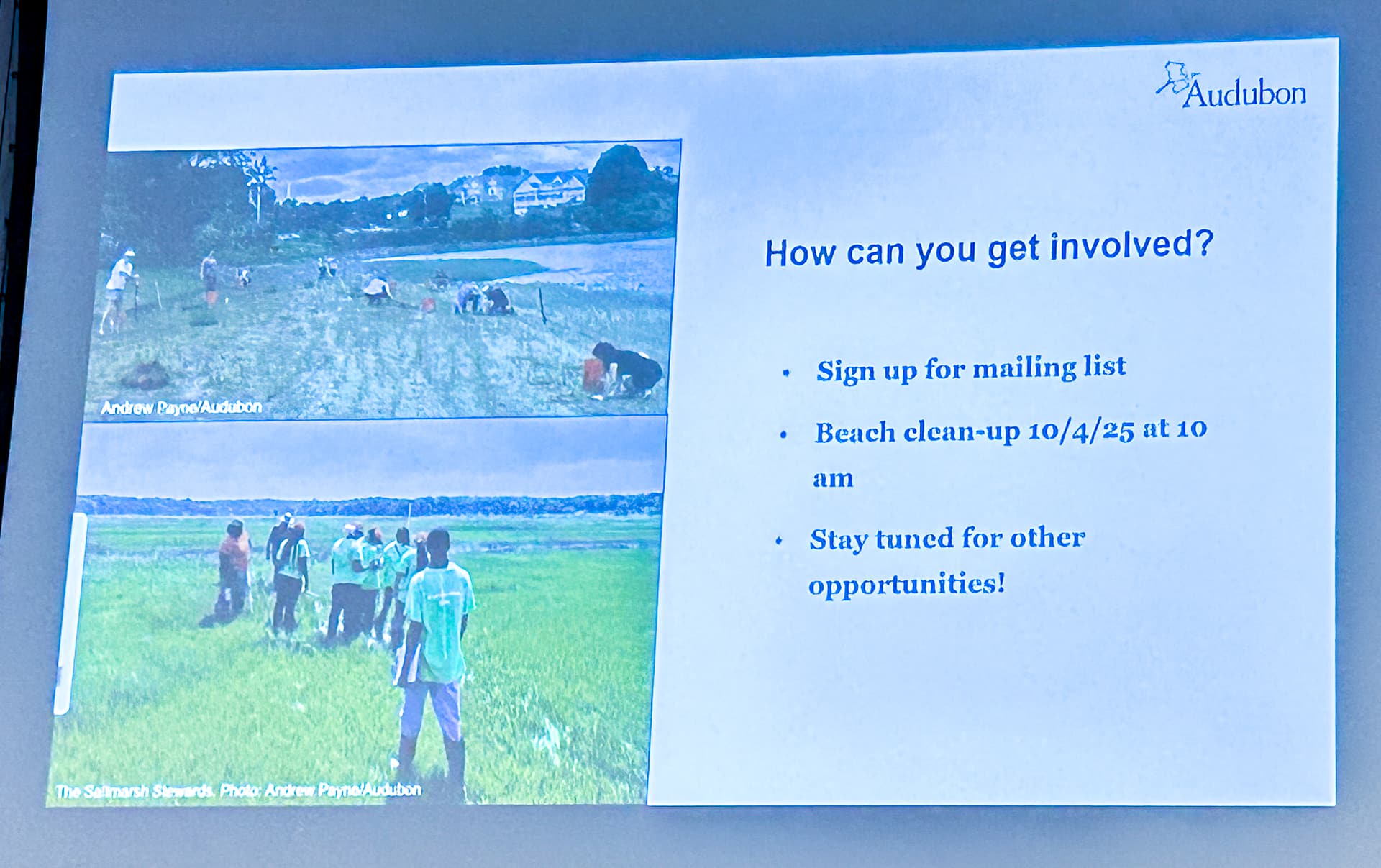
There are ways to stay involved in this important initiative as a community. Attending future meetings, connecting with elected leaders to bring awareness and encourage their support for the project, and signing up for the mailing list are just a few ways to stay updated on the project, which will take years to complete. For those who are eager to start right away, you can join the Crab Meadow Beach clean up initiative this Saturday, October 4 at 10am.
For more information on the Crab Meadow salt marsh restoration initiative, visit these resources:
https://www.audubon.org/new-york/projects/crab-meadow-marsh-restoration
https://www.huntingtonny.gov/crab-meadow-watershed
https://lispartnership.org/wp-content/uploads/2021/01/LISSCCMP-Update-2020-2024.pdf
Photography by Megan.