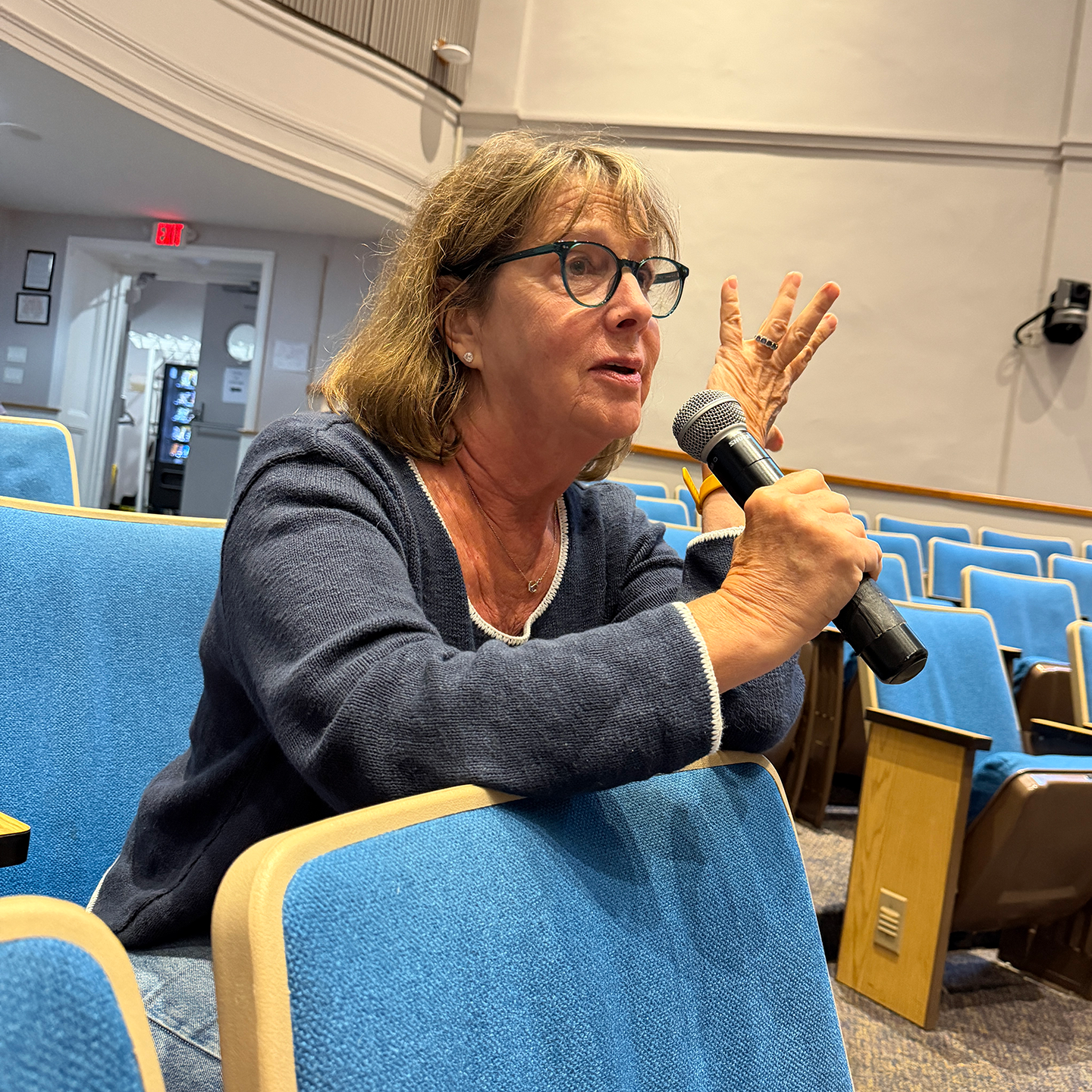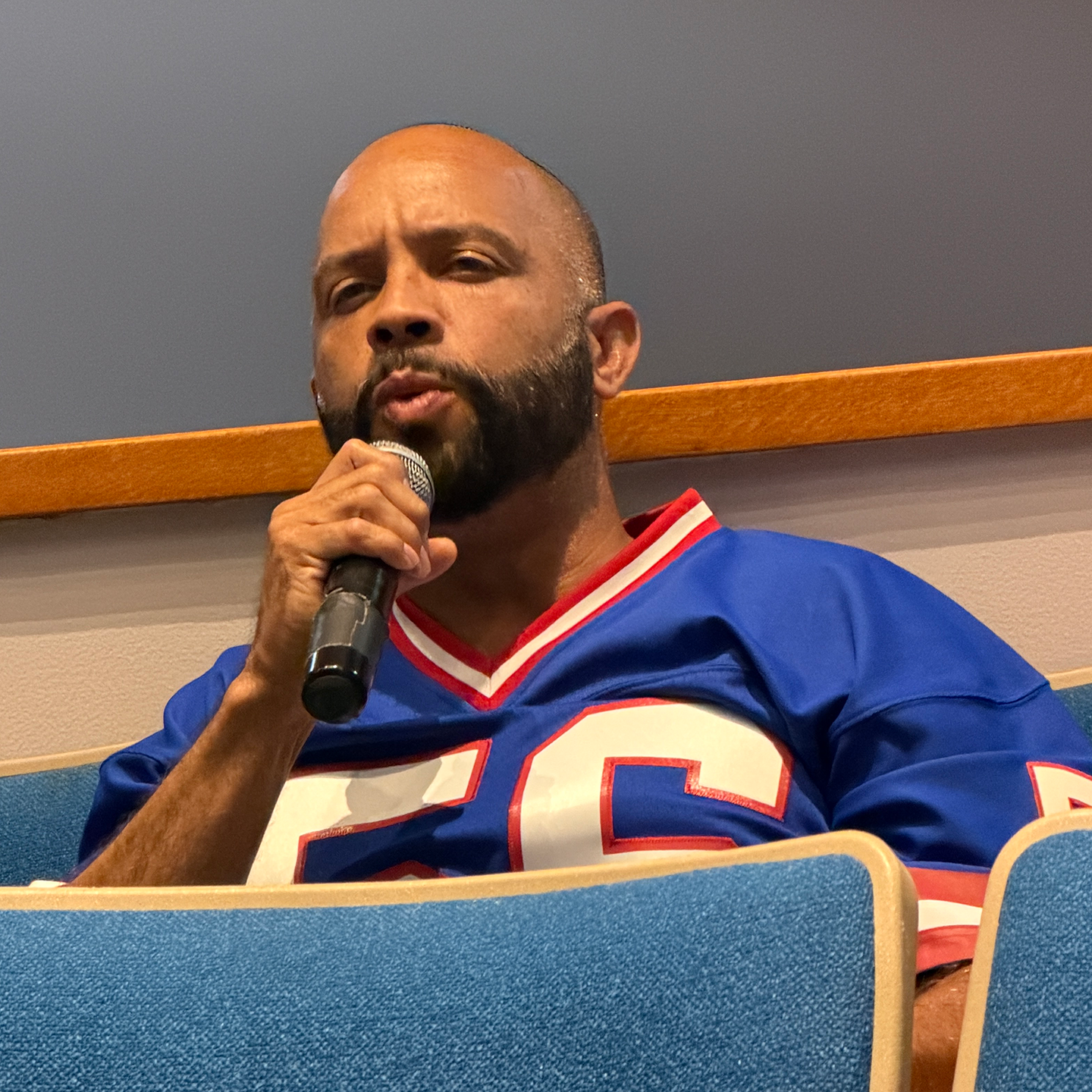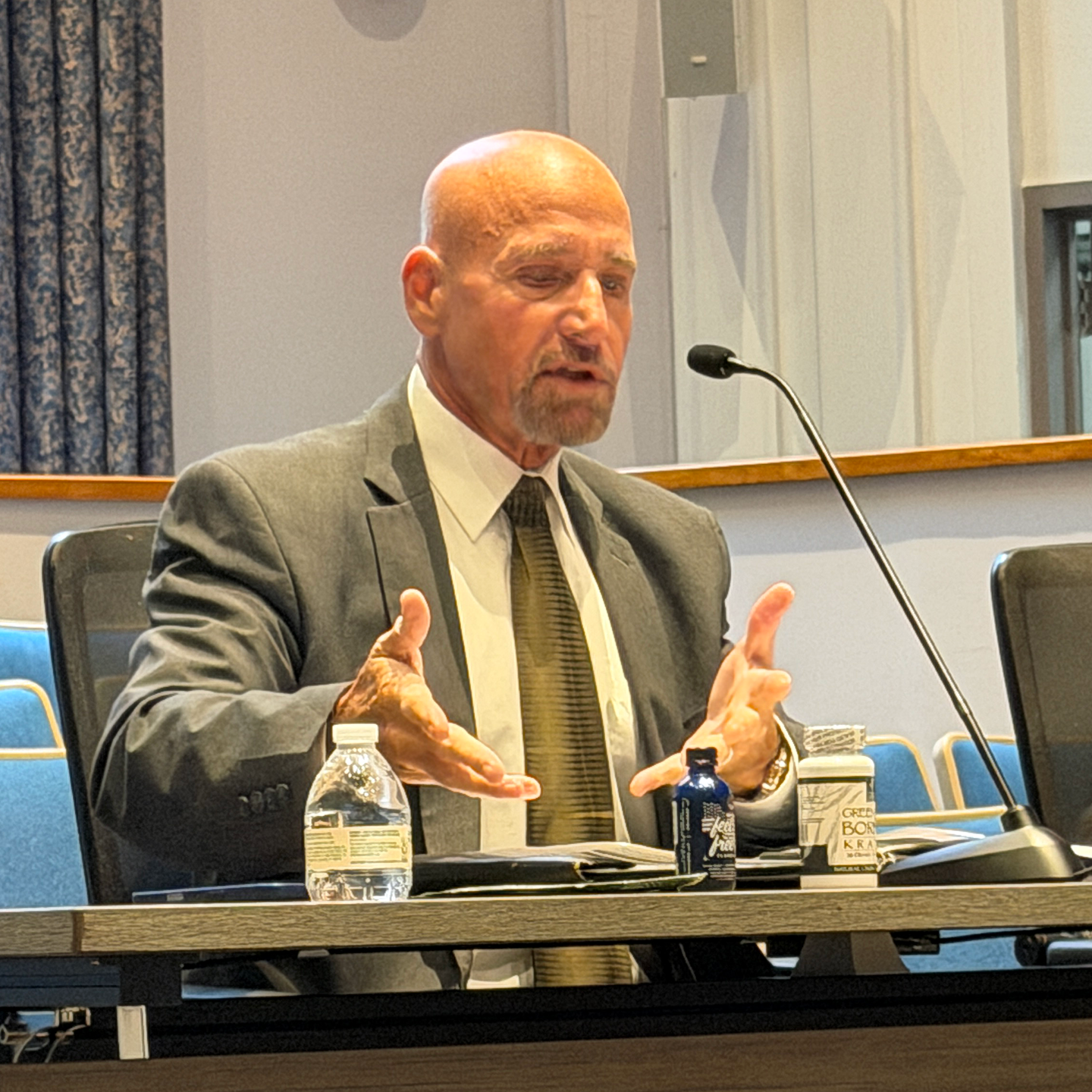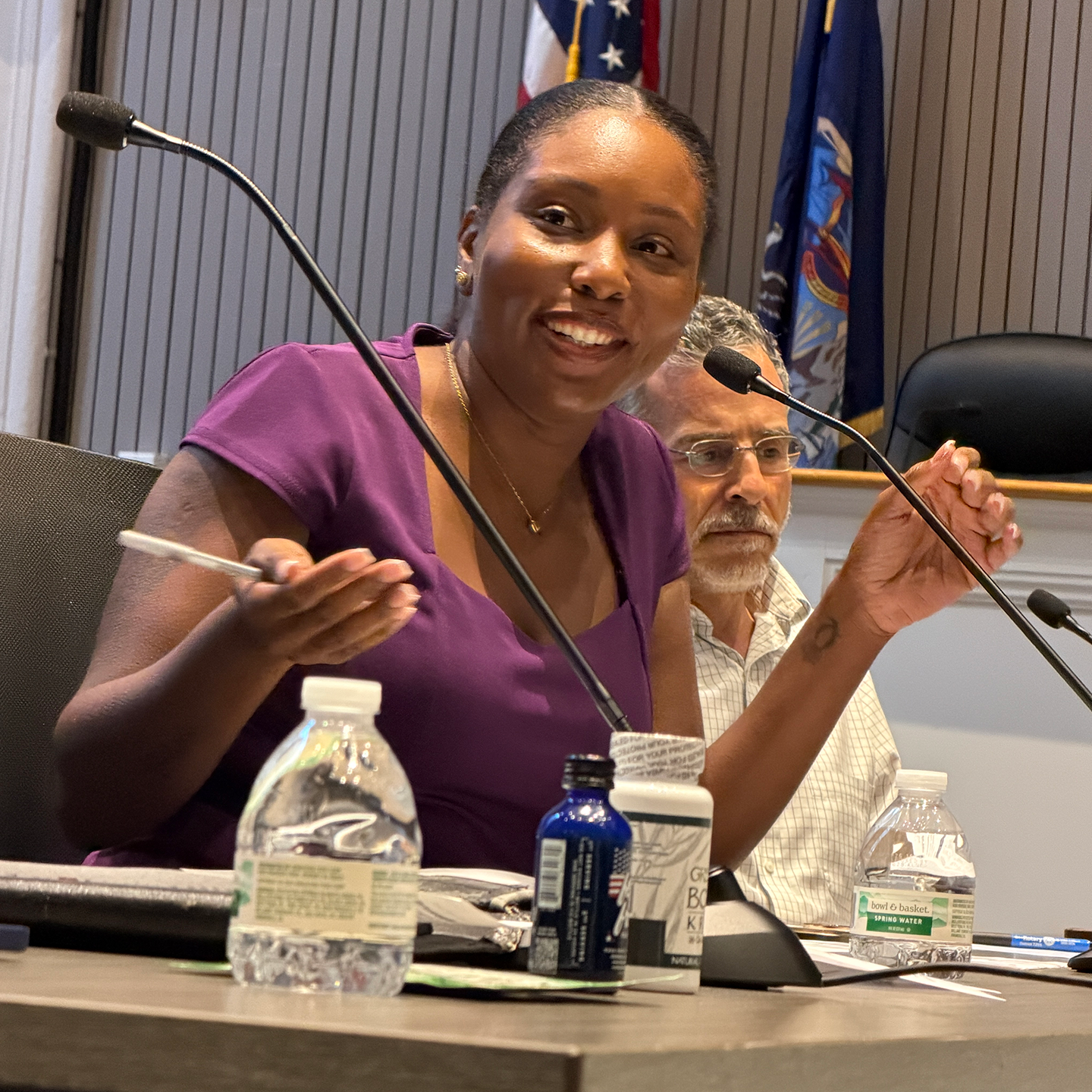

HUNTINGTON, NY – September 22, 2026
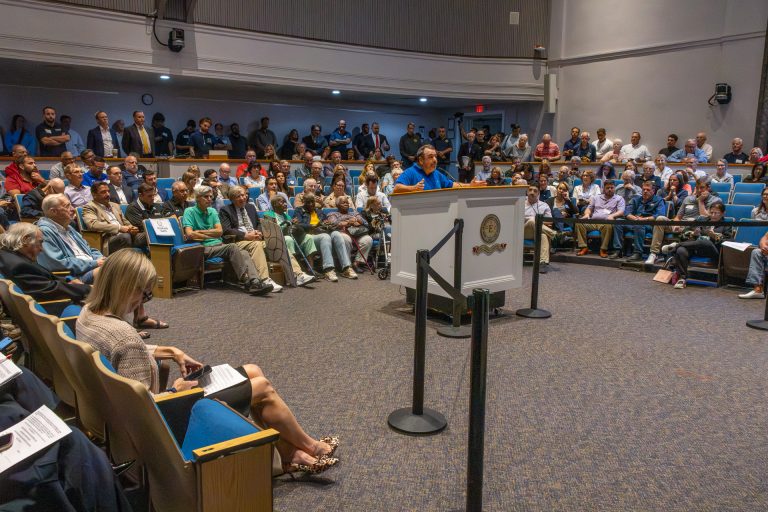
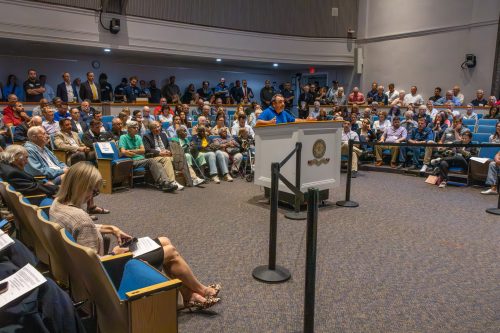
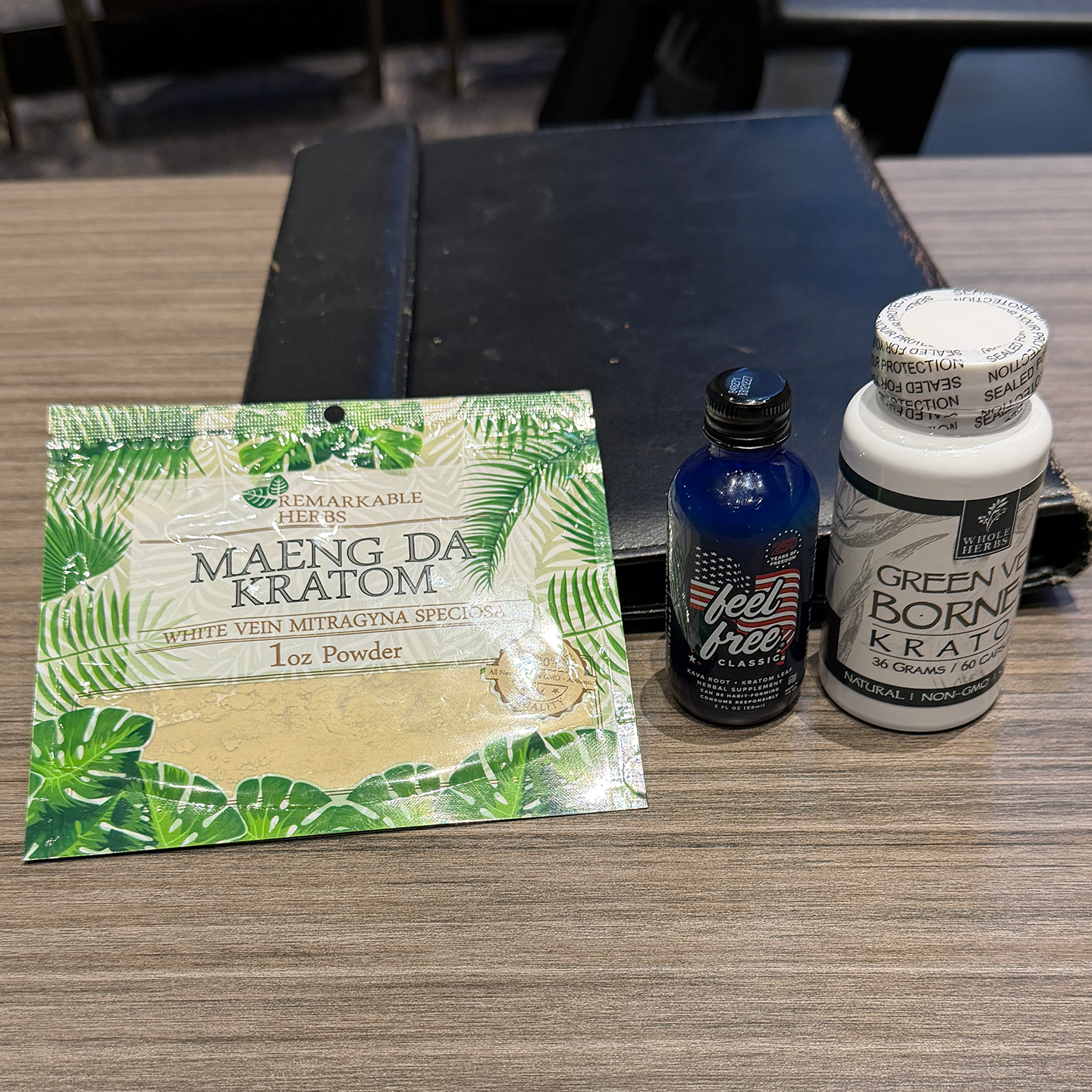
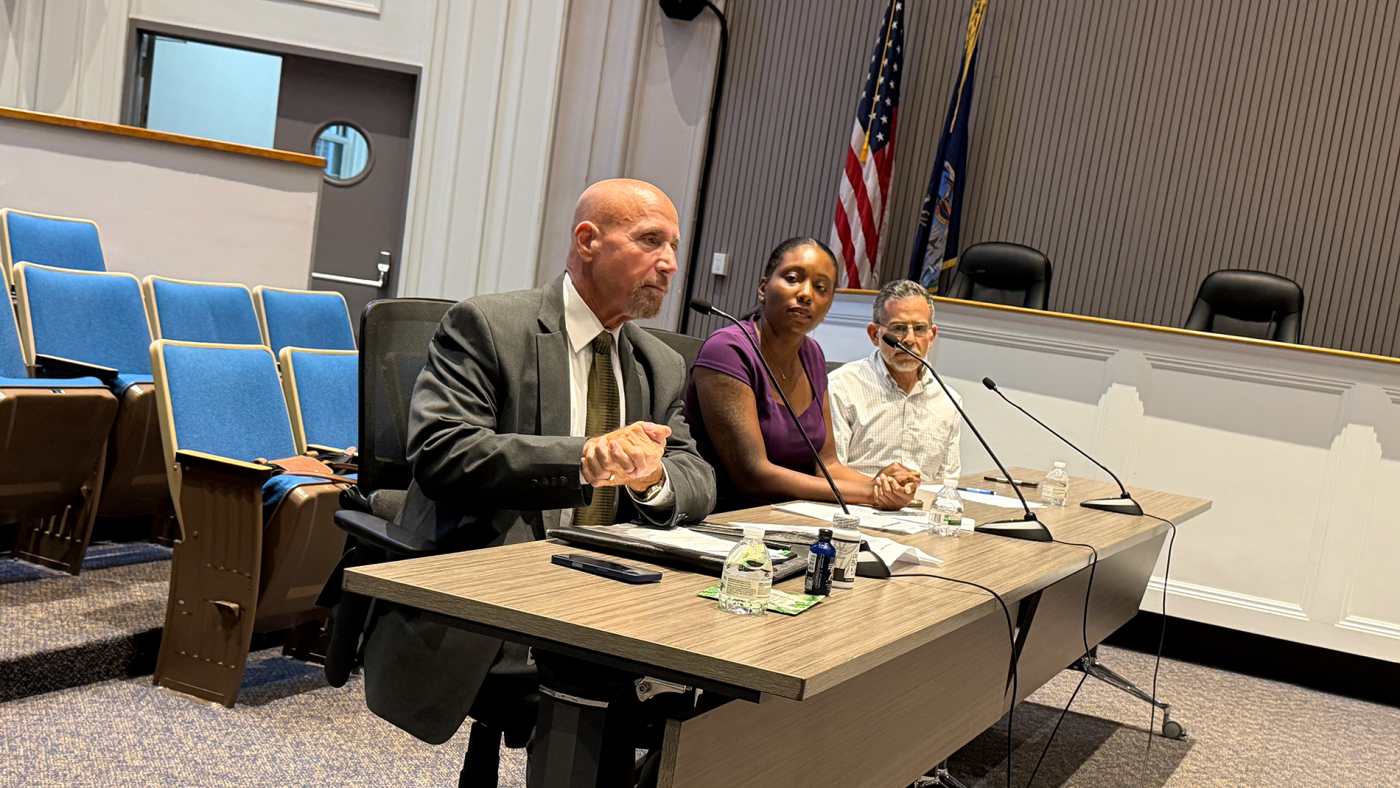
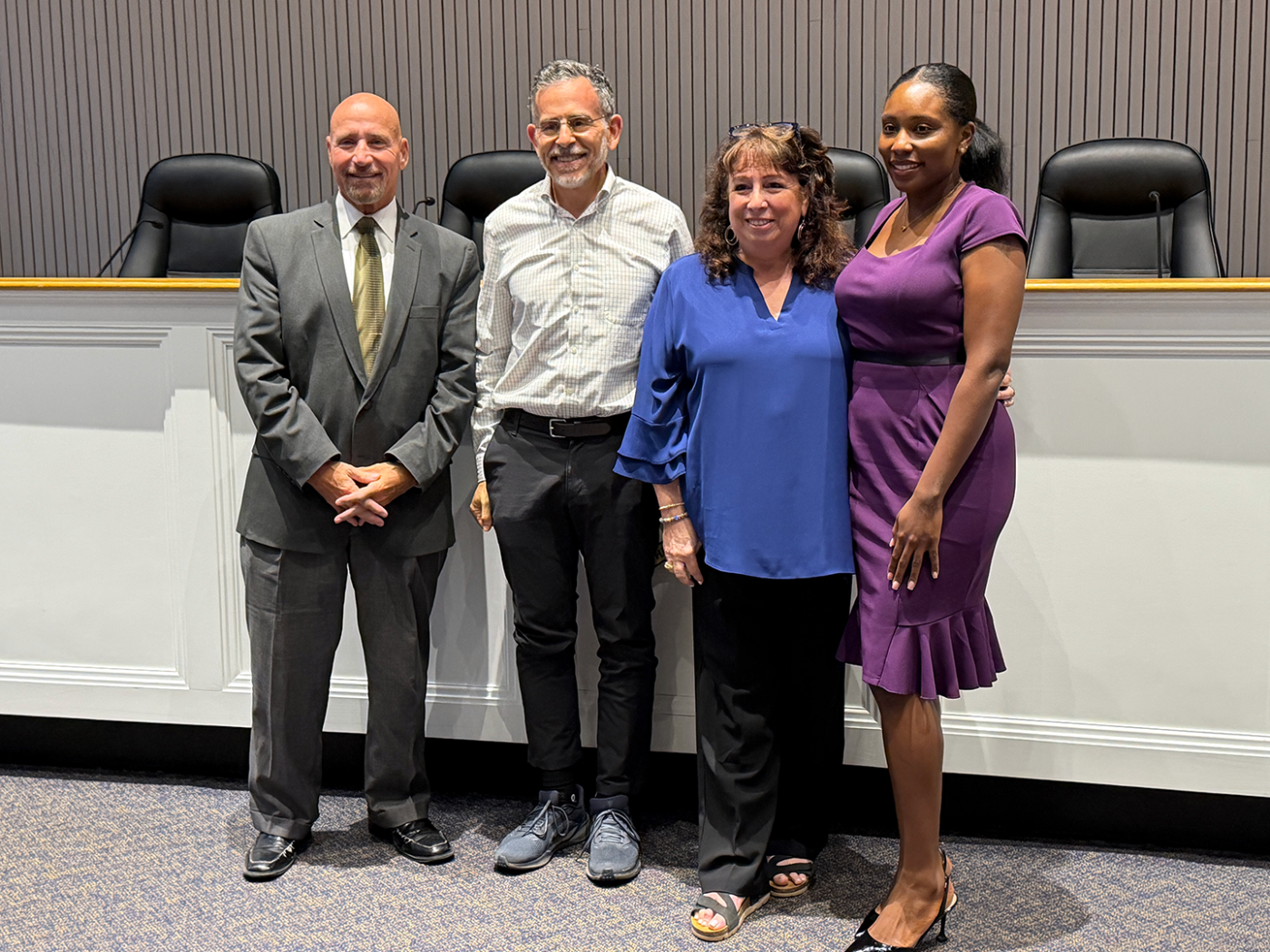
Huntington Town Councilwoman Theresa Mari hosted Kratom & Adolescents: Emerging Drug Trends at Huntington Town Hall on September 17, bringing together medical, addiction treatment and prevention professionals for an evidence-based discussion about kratom, its potential impact on adolescents and what families should know.
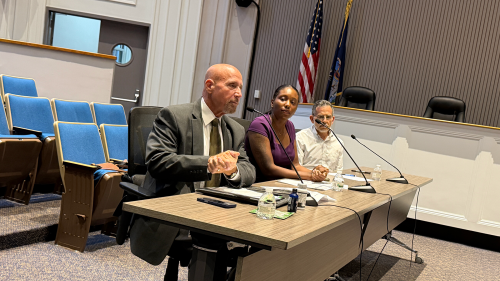
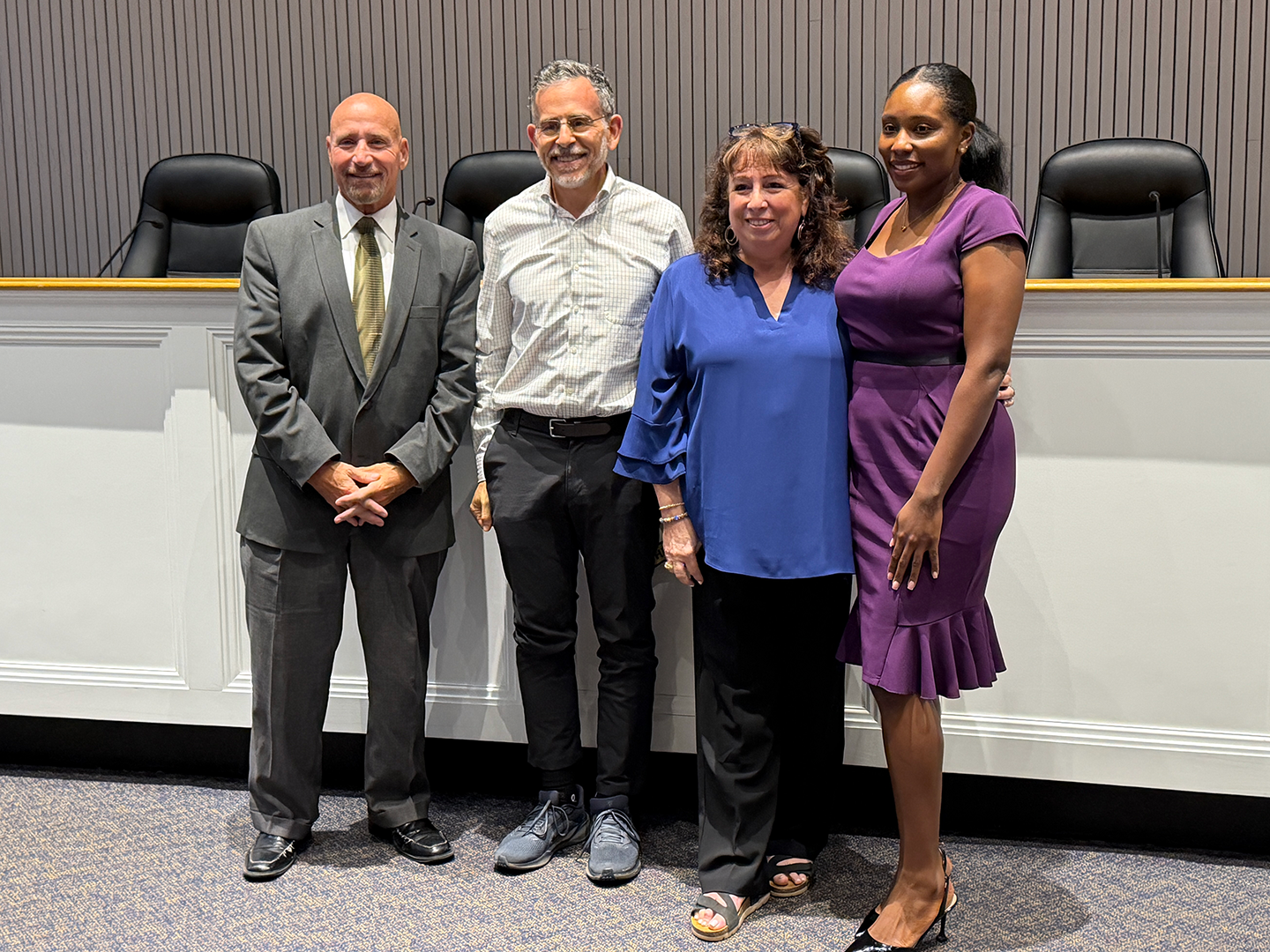
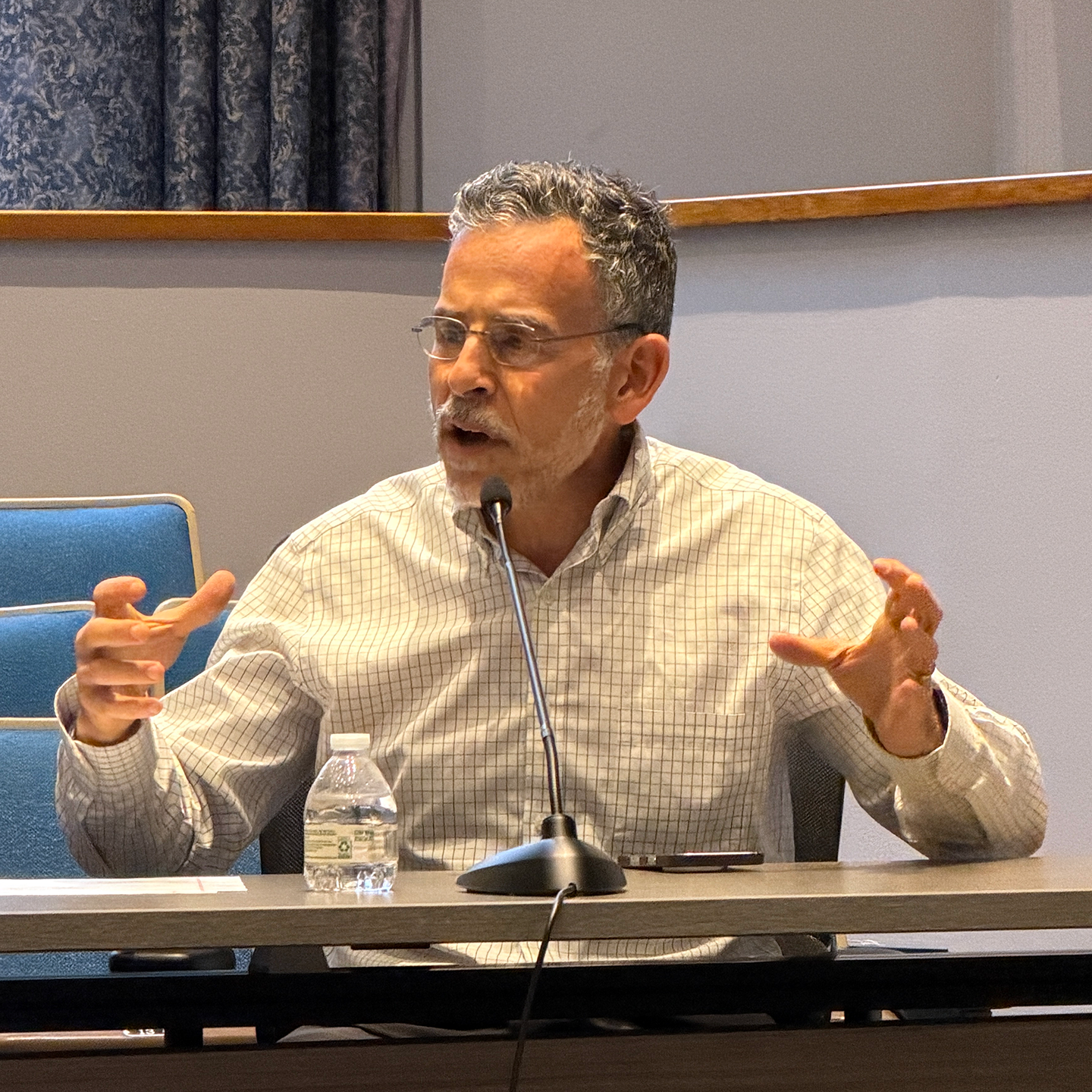
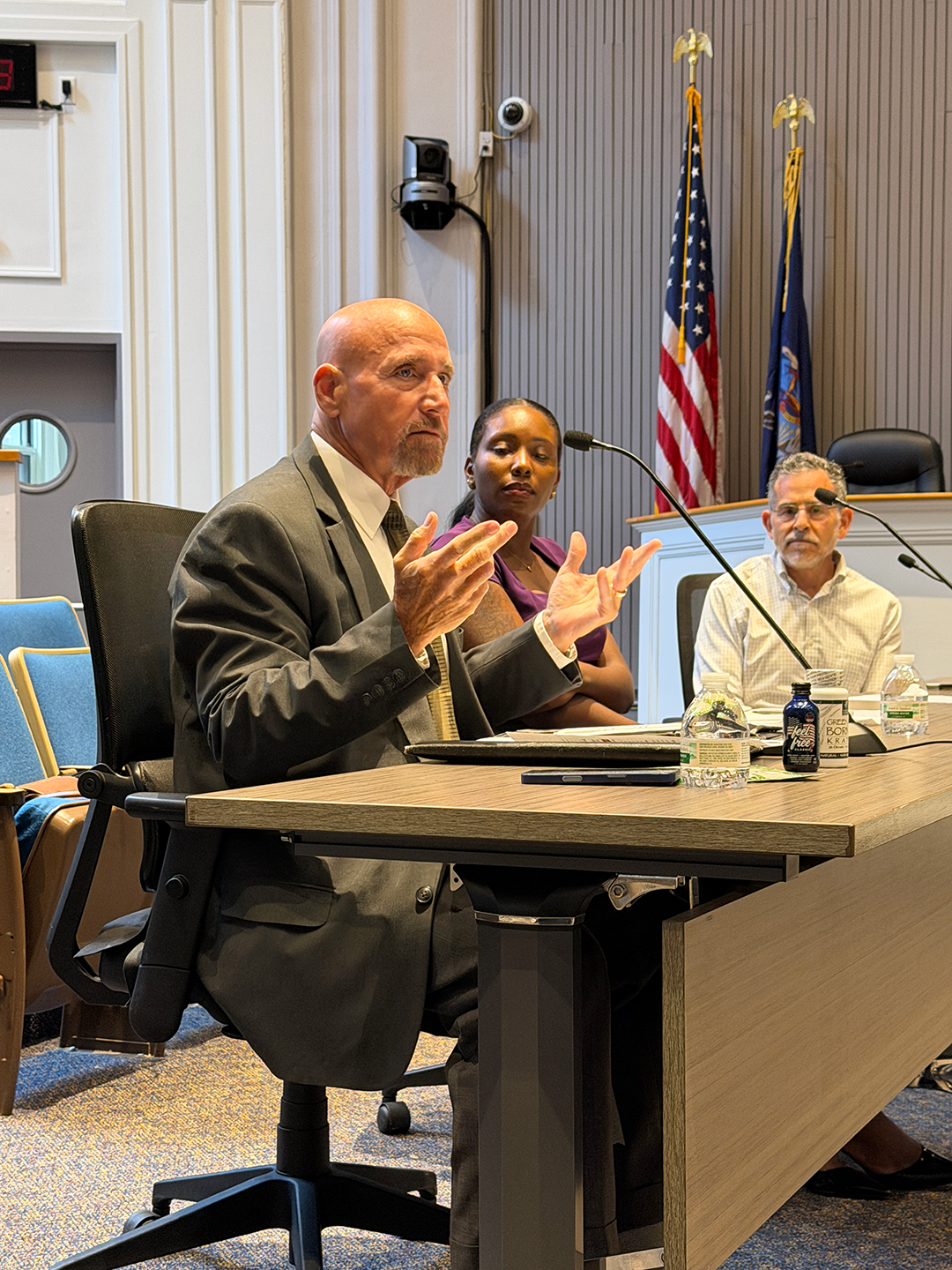
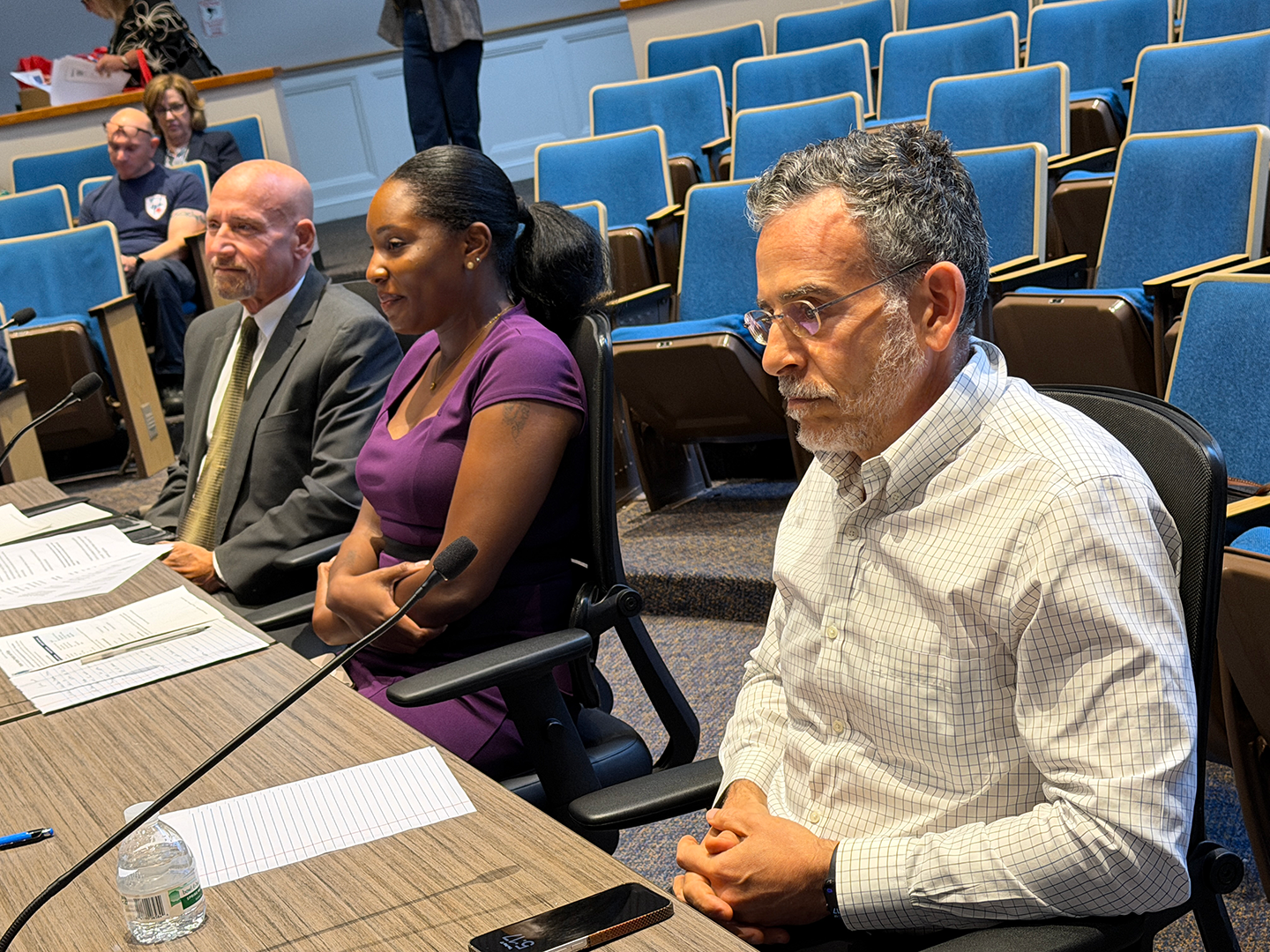
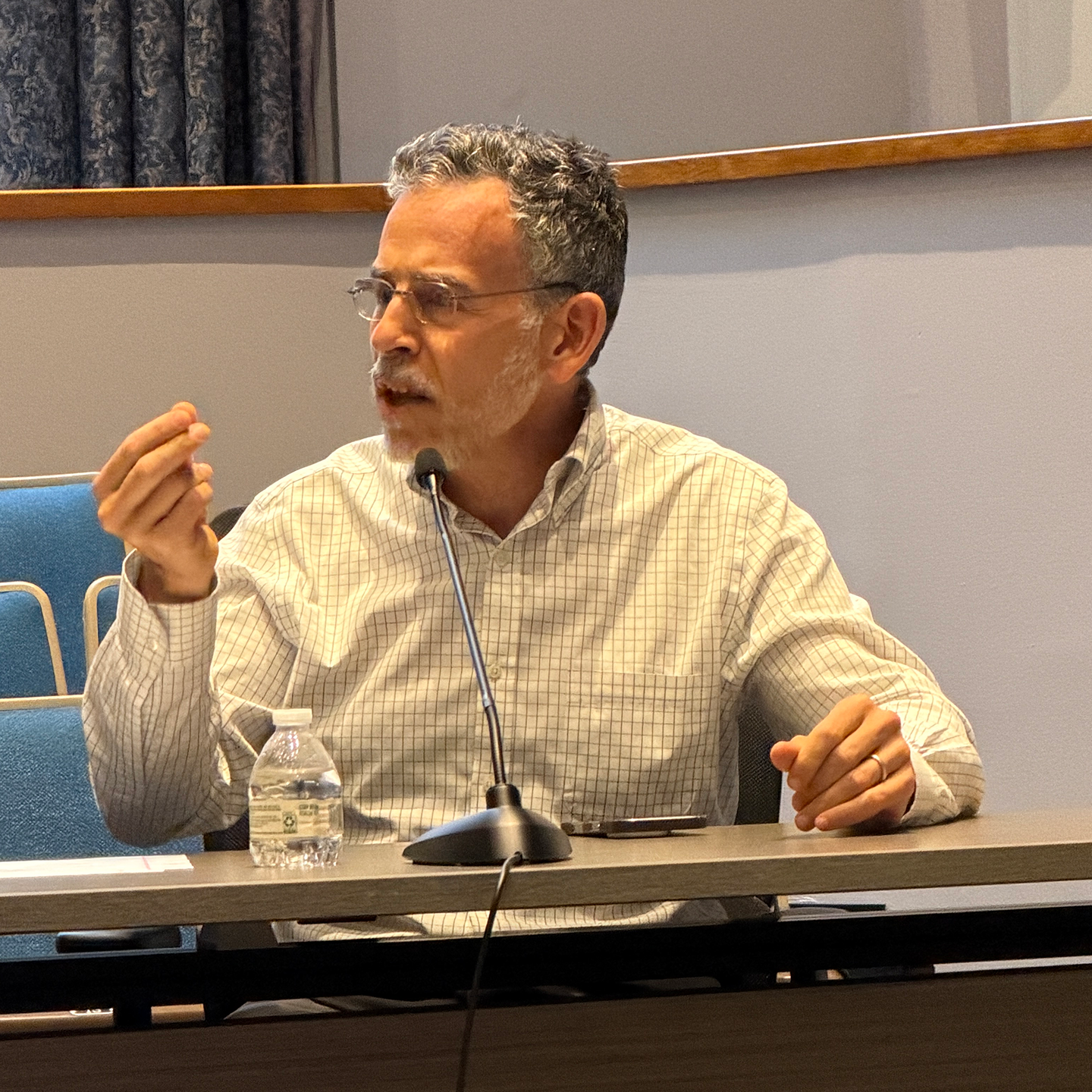
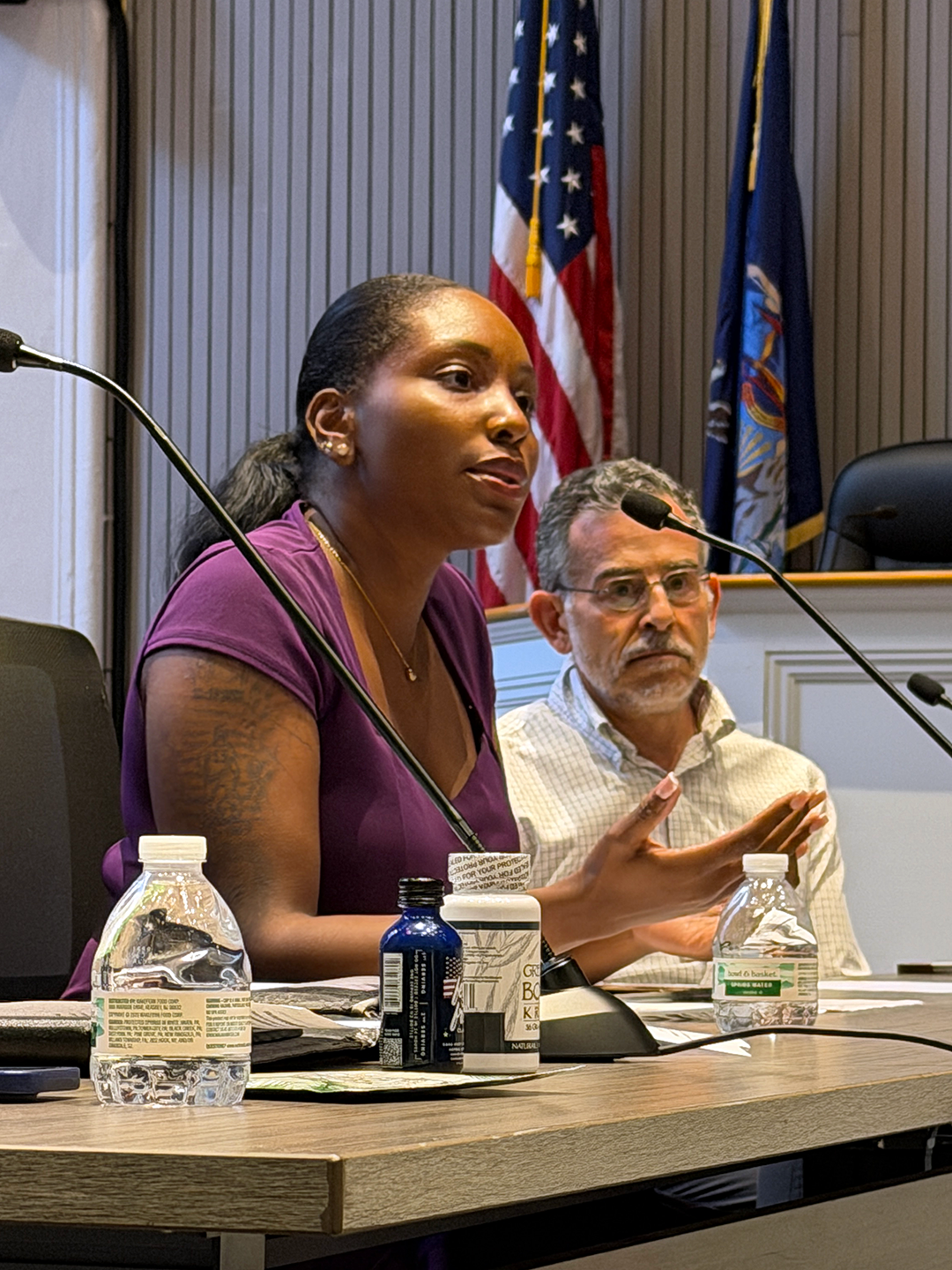
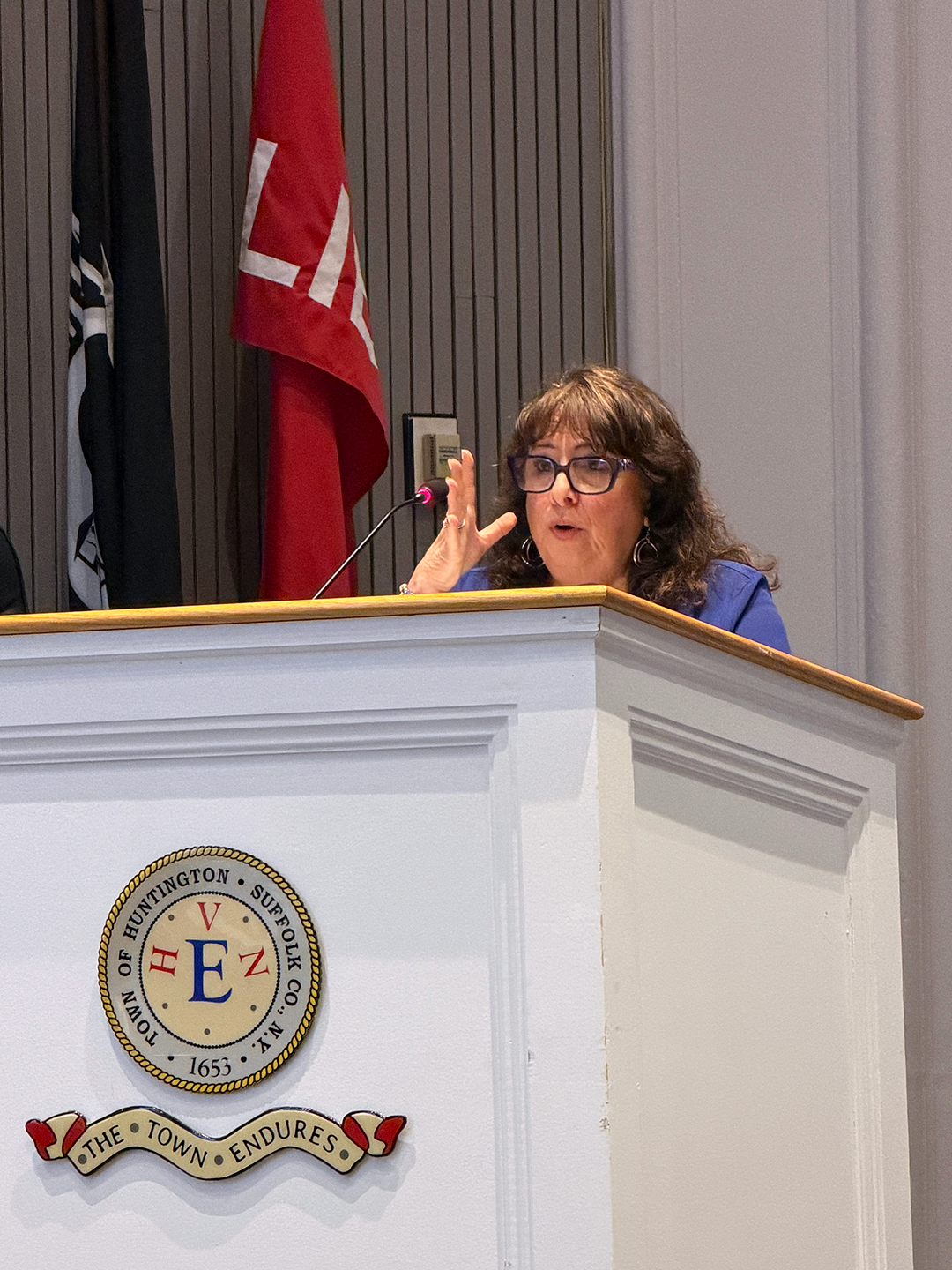
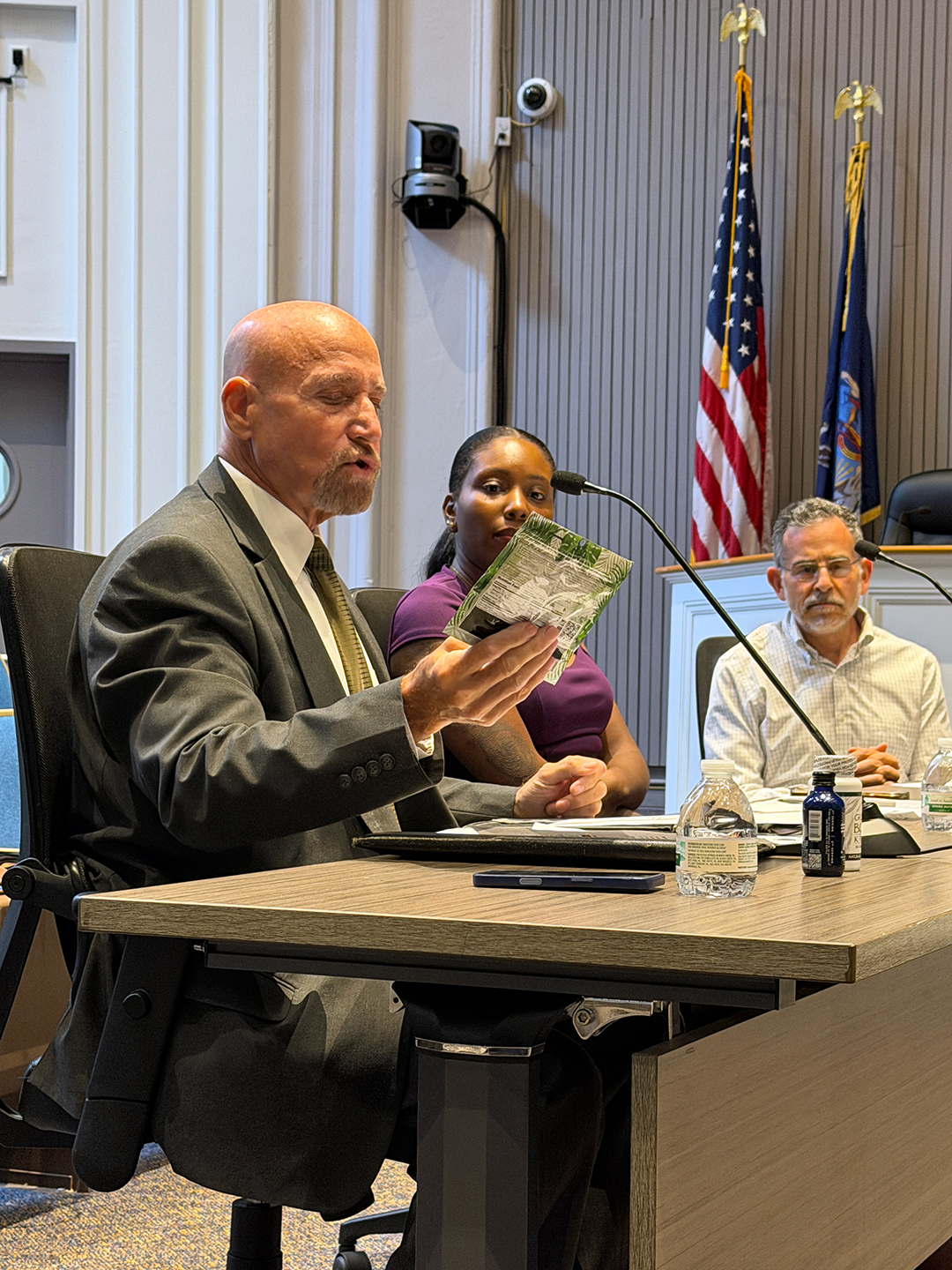
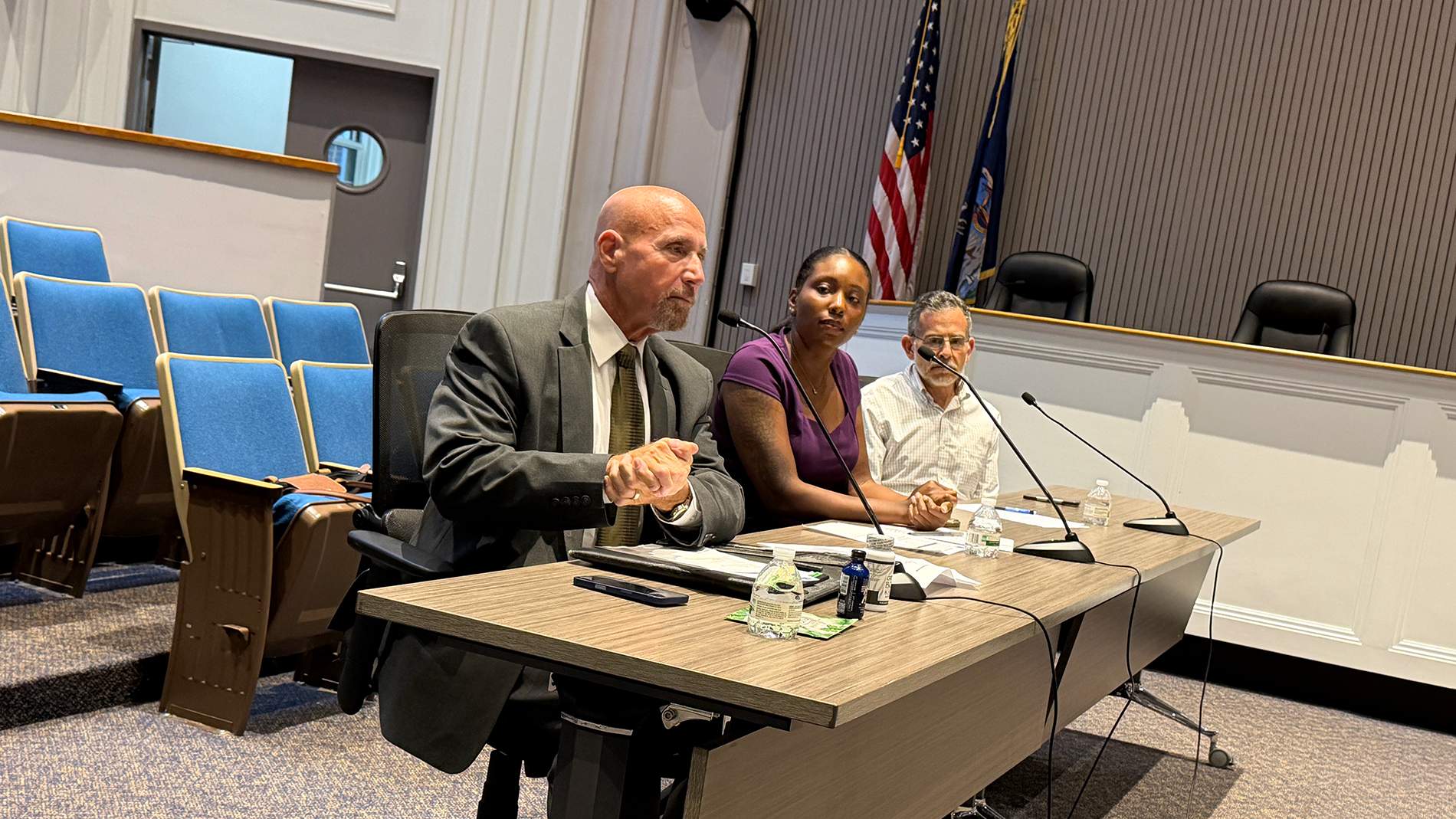
The panel featured Andrew Kolodny, MD, Medical Director of the Opioid Policy Research Collaborative; Barry Zaks, Master CASAC, Director of the Huntington Drug & Alcohol Counseling Center; and Jada Pollock, LMHC-D, LPC, NCC, CASAC-A, Assistant Director of Outpatient Services at Mountainside. Linda Oristano, Executive Director of AWARE, moderated the discussion.
The conversation explored how kratom affects the body, dependence and withdrawal, warning signs for families, communication with adolescents and the role families, schools and communities play in prevention.
Understanding Kratom and Withdrawal

Dr. Andrew Kolodny explained that kratom can produce opioid-like dependence and withdrawal, with both acute physical symptoms and longer-lasting psychological effects. Acute withdrawal can include a runny nose, sweating, nausea, vomiting and increased sensitivity to pain, while protracted symptoms can last for months in some people.
“What drives sometimes good people to behave so badly to avoid withdrawal is actually not the flu-like symptoms. It’s the psychological symptoms.”
Kolodny described the intense fight-or-flight response that can occur during withdrawal.
“People feel like they’re going to die. It’s been described as a sense of impending doom.”
Later in the discussion, Kolodny addressed the risks of regular kratom use directly:
“Because it’s an opioid, that means that everything we know about opioids applies to kratom.”
He said regular use can leave someone dependent on the substance and negatively affect their life.
Helping Families Communicate
Barry Zaks, Master CASAC, Director of the Huntington Drug & Alcohol Counseling Center, encouraged parents who discover possible substance use to resist immediately confronting their child with what they have found.
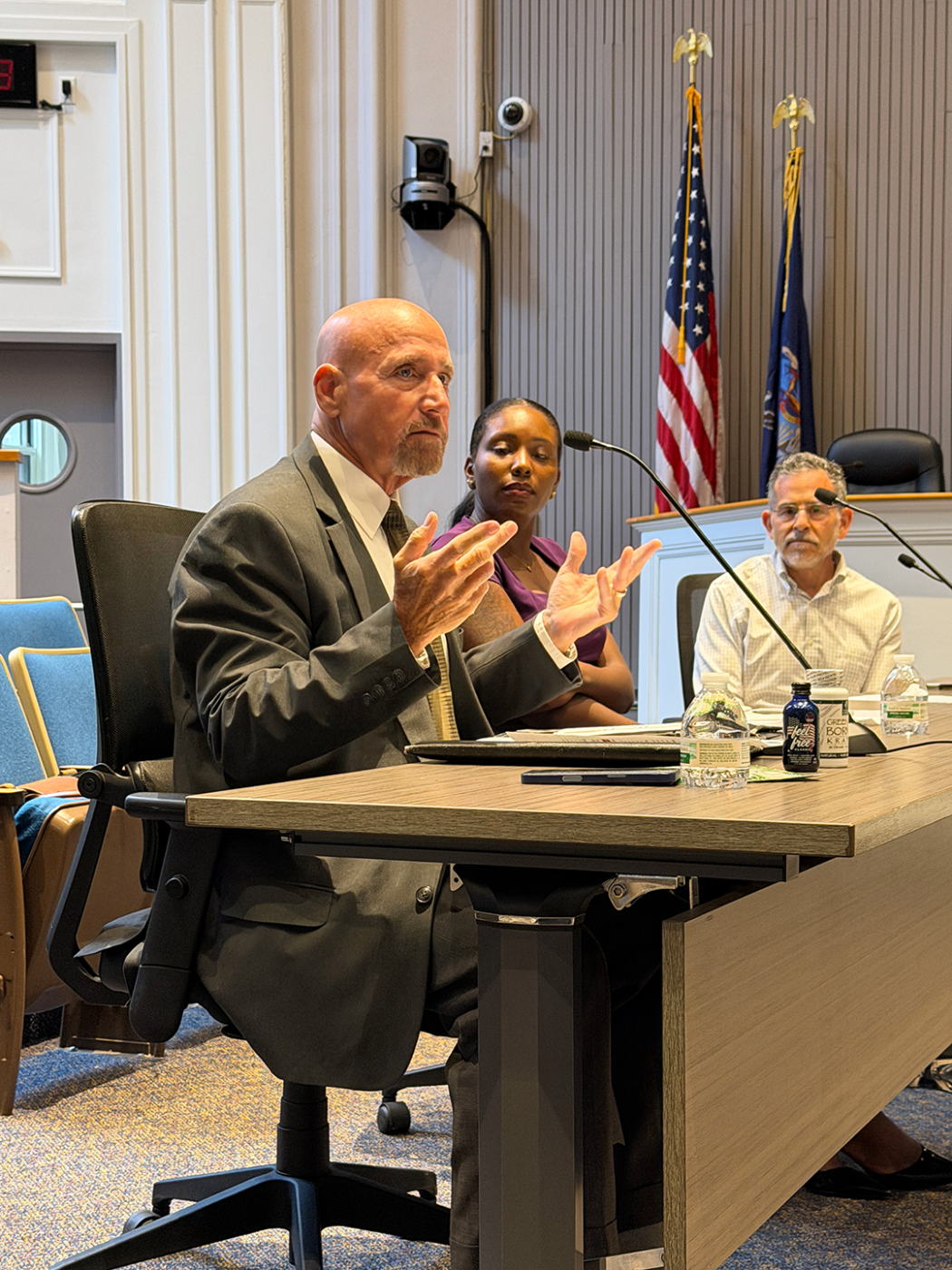
“I also ask them to avoid ambushing their child. ‘Look what I found.’ Throwing them on the defensive and avoiding the debate, the tug of war, and focus on the why instead.”
Zaks encouraged families to use open-ended, non-confrontational communication and examine the larger family environment, including attitudes toward using substances to cope with emotions and how much meaningful time family members spend together.
He also stressed that prevention cannot rest solely with parents.
“It’s one thing to address it in an individual, it’s another thing to address it in a family, but it also needs to be addressed in terms of community norms, school norms, national norms, legal norms.”
“Natural Does Not Mean Risk-Free”
Jada Pollock, LMHC-D, LPC, NCC, CASAC-A, Assistant Director of Outpatient Services at Mountainside, focused on a misconception that can influence how people perceive kratom.
“Natural does not mean risk free or safe.”
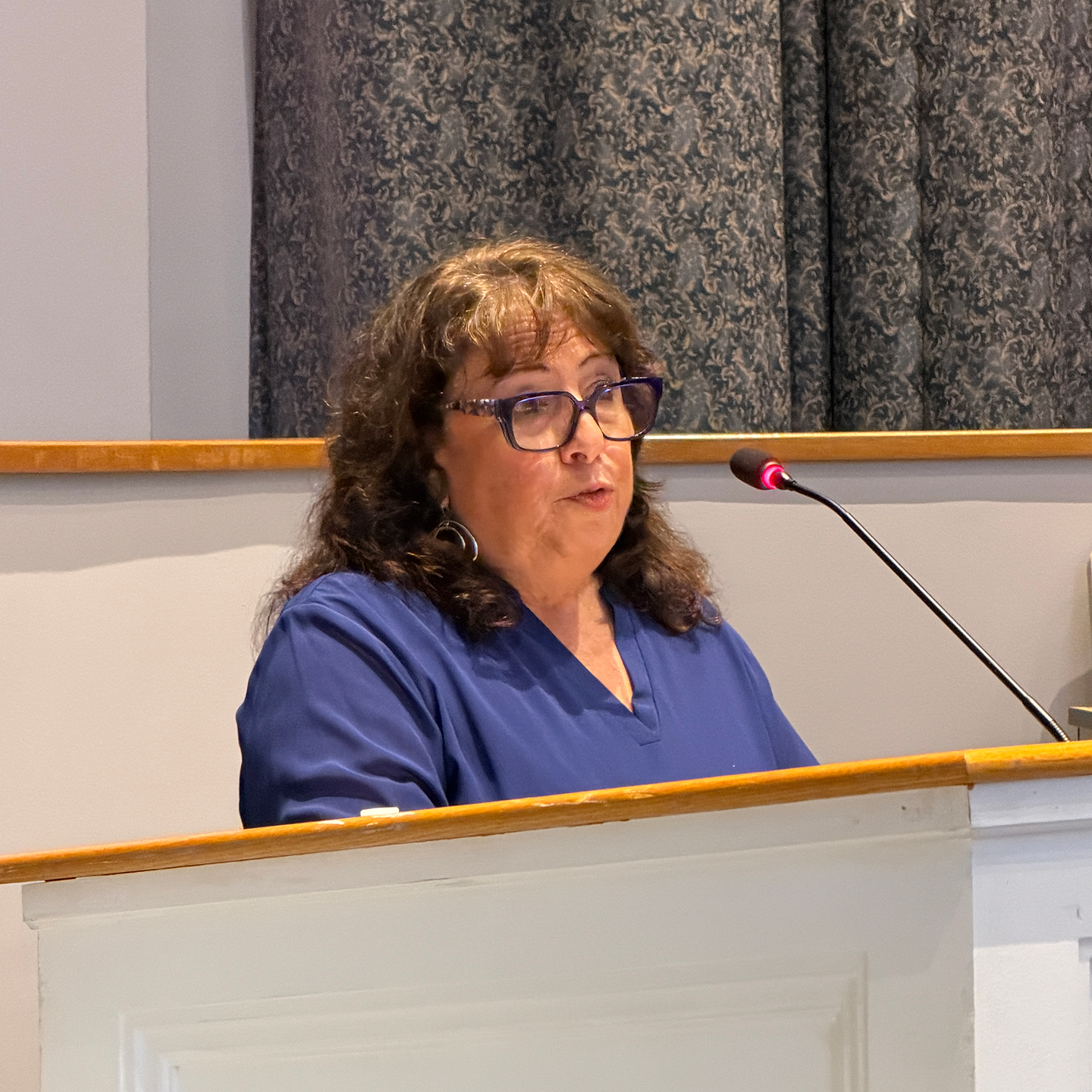
Pollock also raised concerns about transparency and labeling, questioning whether consumers have adequate information about what is contained in kratom products and the risks associated with them. She challenged the community to consider what it would take to bring greater attention to those concerns and push for change.
Zaks cautioned against treating kratom as a problem that can simply be ignored.
“We cannot avoid the reality that this is the reason it’s a multi-billion dollar business, because it’s very popular.”
He said its use must also be viewed in the broader context of people turning to substances for recreation, coping, pain and other problems.

Prevention Starts Before a Crisis
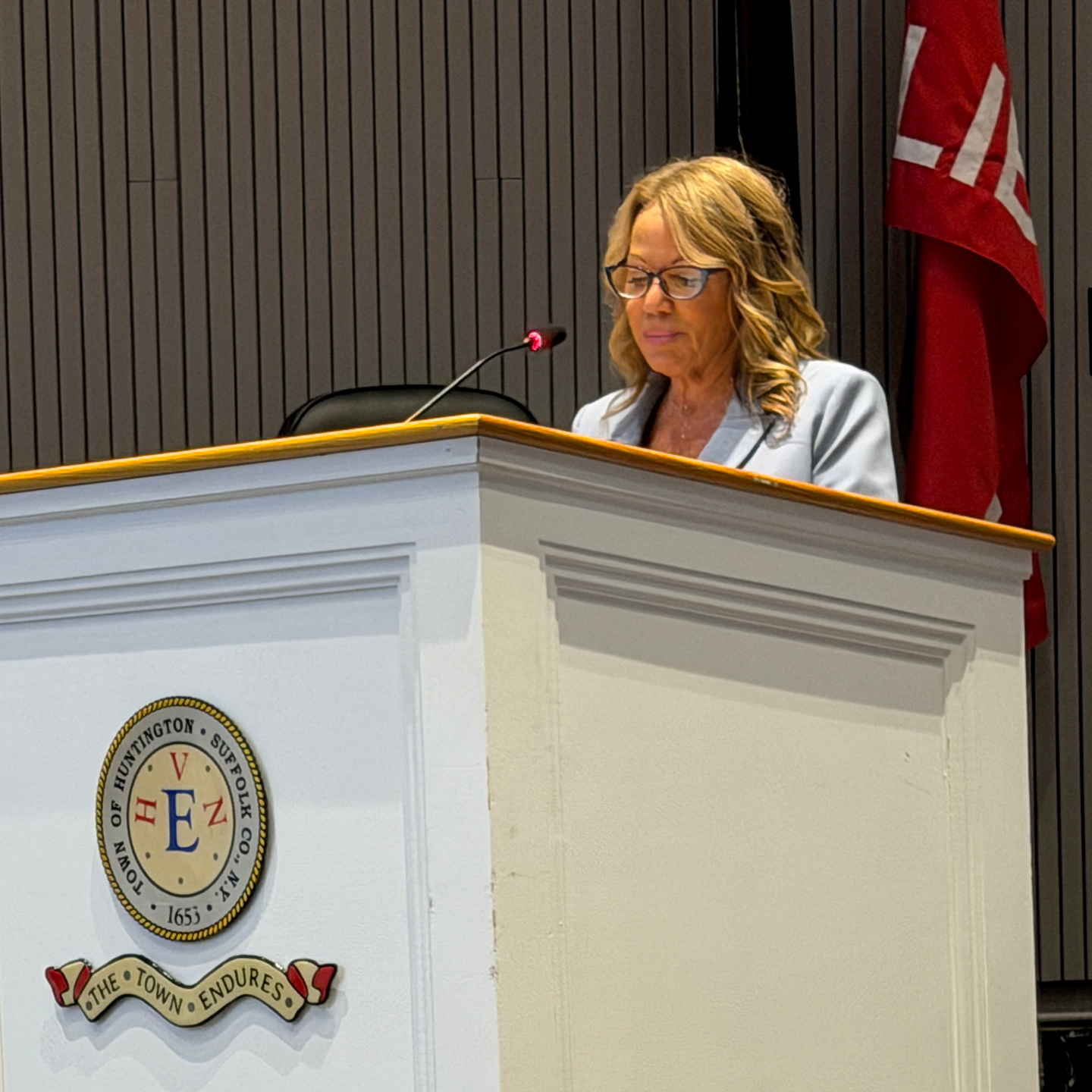
As the panel discussion concluded, AWARE Executive Director Linda Oristano brought the conversation back to prevention and the importance of responding to emerging drug trends before they become larger problems.
“Prevention isn’t simply warning young people about another substance. It’s making sure families have accurate information, recognizing emerging trends early, strengthening the protective factors, and creating communities where young people are connected, they’re supported and able to make healthy choices.”
Huntington Matters Christopher Revell Memorial Scholarship Announced
The evening also included the first public announcement of a new local resource for Town of Huntington residents seeking help with addiction.
Gary Lupinacci, Community Relations Liaison at Mountainside, made the announcement:
“We partnered with Huntington Matters and we are honored to name it after a Huntington resident whose mother is in the room. We’re going to be calling it the Huntington Matters Christopher Revell Memorial Scholarship.”
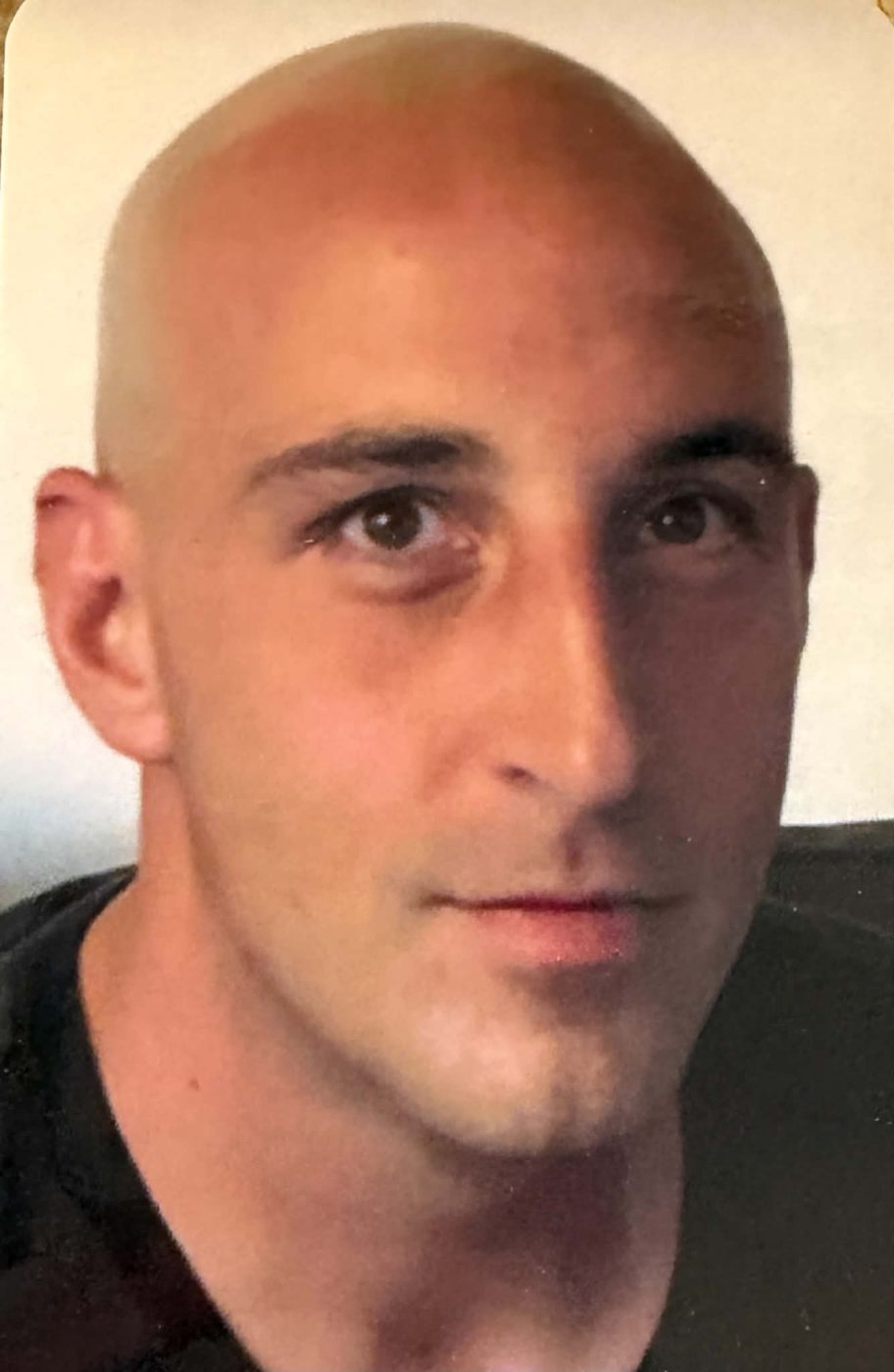
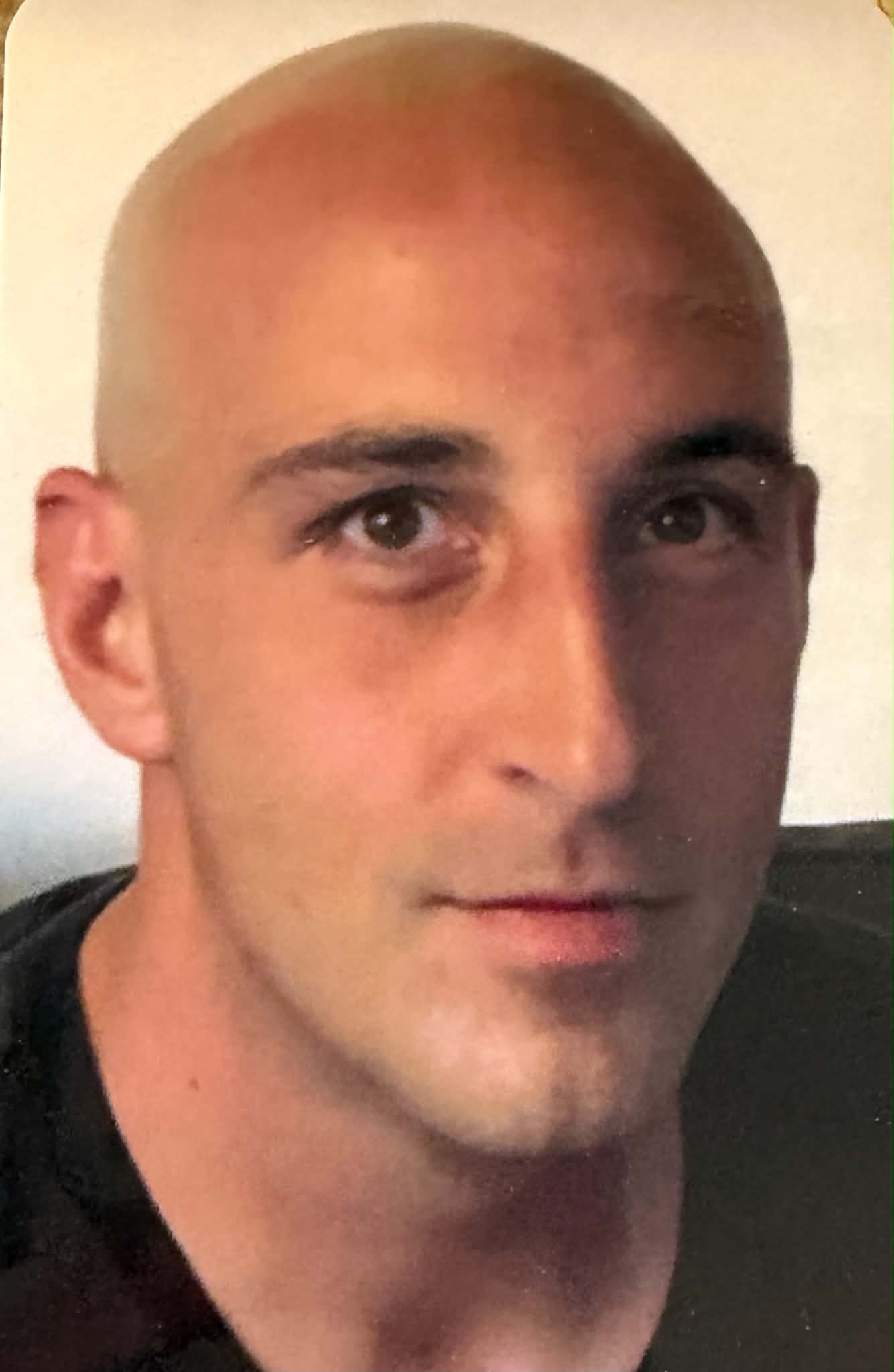
The scholarship is named in memory of Huntington resident Christopher Revell, son of Huntington Matters Director Diane Schaber. It will provide access to Mountainside’s Partial Hospitalization Program in Huntington for an eligible Town of Huntington resident who needs treatment but may lack the insurance or financial resources necessary to access it.
Mountainside’s four-week Partial Hospitalization Program provides 25 hours of structured treatment each week while allowing participants to return home each evening. Treatment can include individual and group therapy, family counseling, medication-assisted treatment, psychiatric services and support groups.
Mountainside has provided addiction treatment services in Huntington since 2019, with programs for adults, adolescents and families. Its Huntington location offers a range of treatment and recovery services, including outpatient care, adolescent services, family support and recovery coaching.
Treatment and Prevention Resources in Huntington
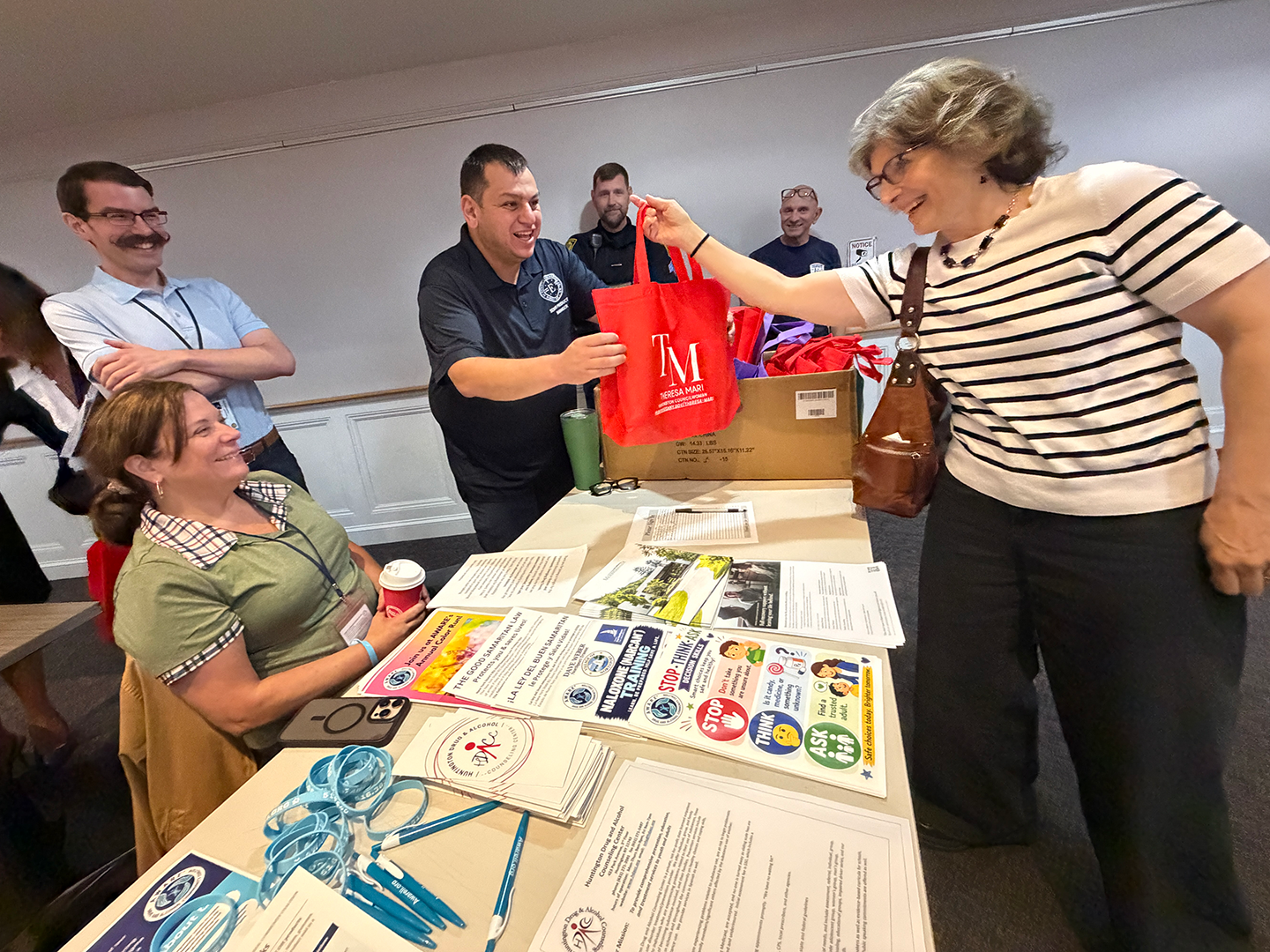
The program concluded with information about addiction treatment and prevention services available through the Huntington Drug & Alcohol Counseling Center.
Zaks said the center offers outpatient counseling, group, family and individual services, treatment for co-occurring conditions, adolescent programming and services in both English and Spanish. The center also provides prevention education in eight school districts and is a New York State-certified opioid overdose prevention program offering Narcan training.
“We have absolutely no waiting list. So somebody calls us, come on in.”
Zaks emphasized that recovery extends beyond getting through the physical symptoms of withdrawal.
“The psychological aspects last a lot longer than the physical aspects of detox, withdrawal, and to sustain recovery and to grow within it often requires good support and good help.”
The September 17 discussion reinforced the broader prevention message of the evening: recognize emerging substances early, understand the risks, keep communication open and make sure individuals and families know where to turn when they need help.
Photography by June Margolin and Diane Schaber. Videography by June Margolin.