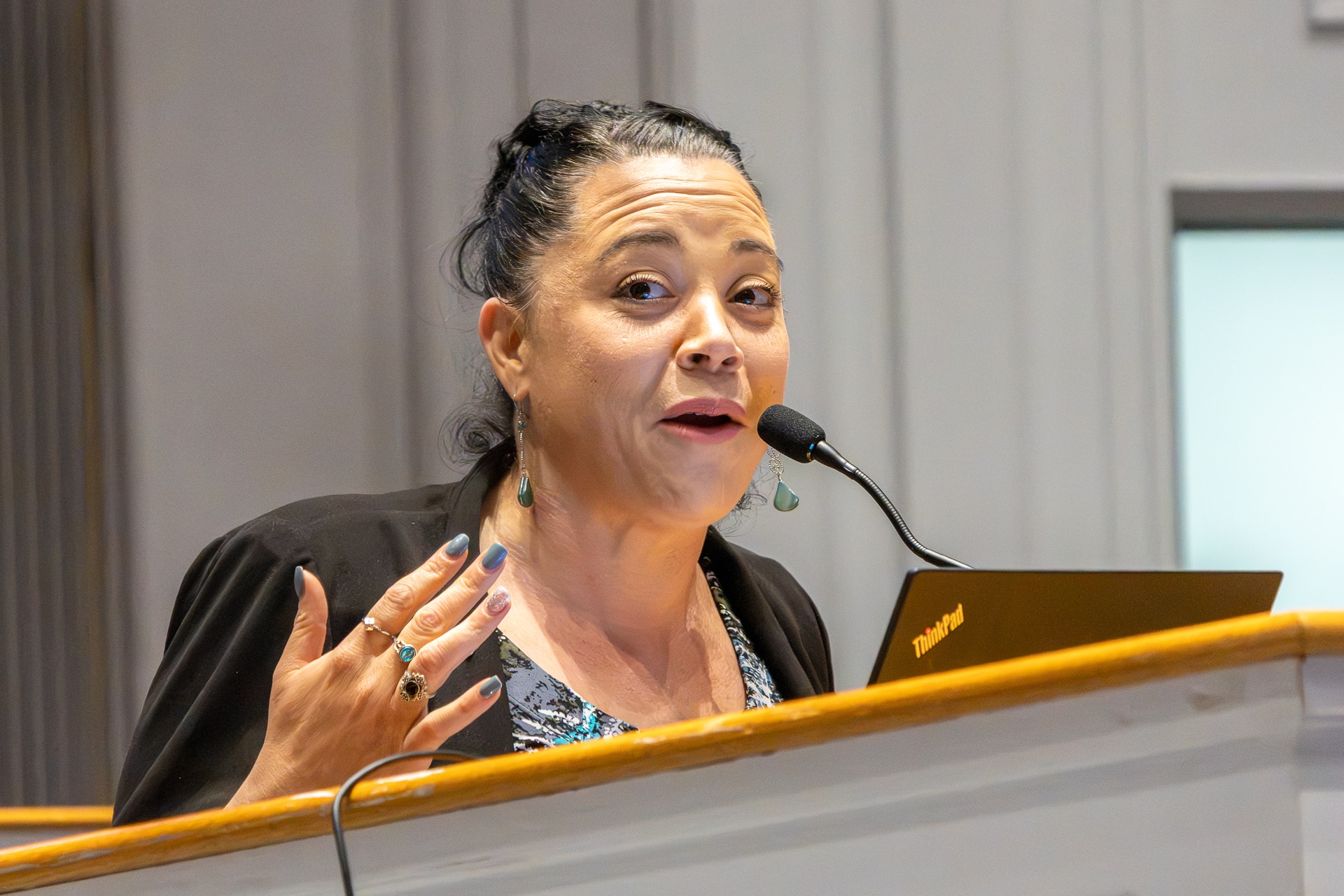


HUNTINGTON, NY – September 30, 2026
Human trafficking is not a distant headline but a dark and profitable enterprise operating in plain sight here in Huntington and across Long Island, a “hidden crisis” that local leaders, law enforcement and community advocates are determined to unmask.
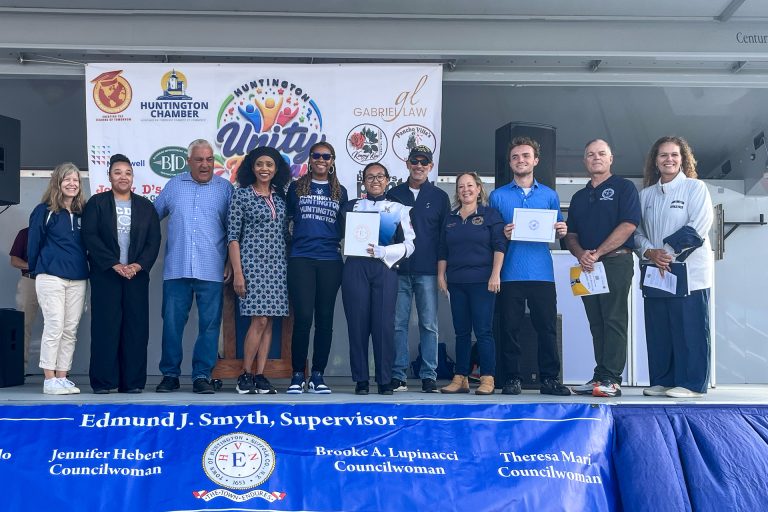
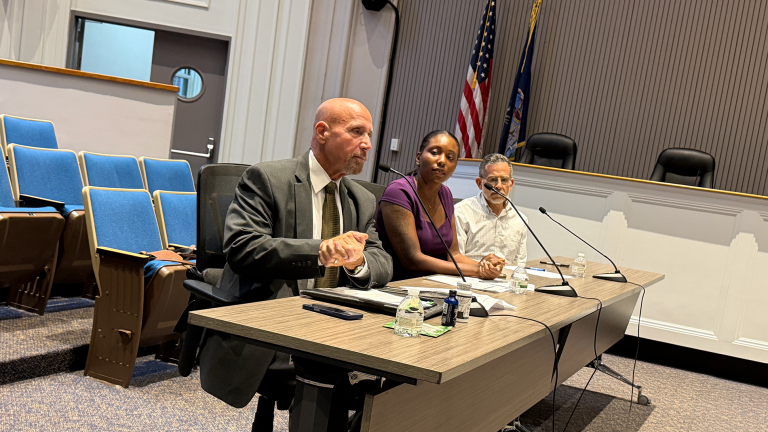
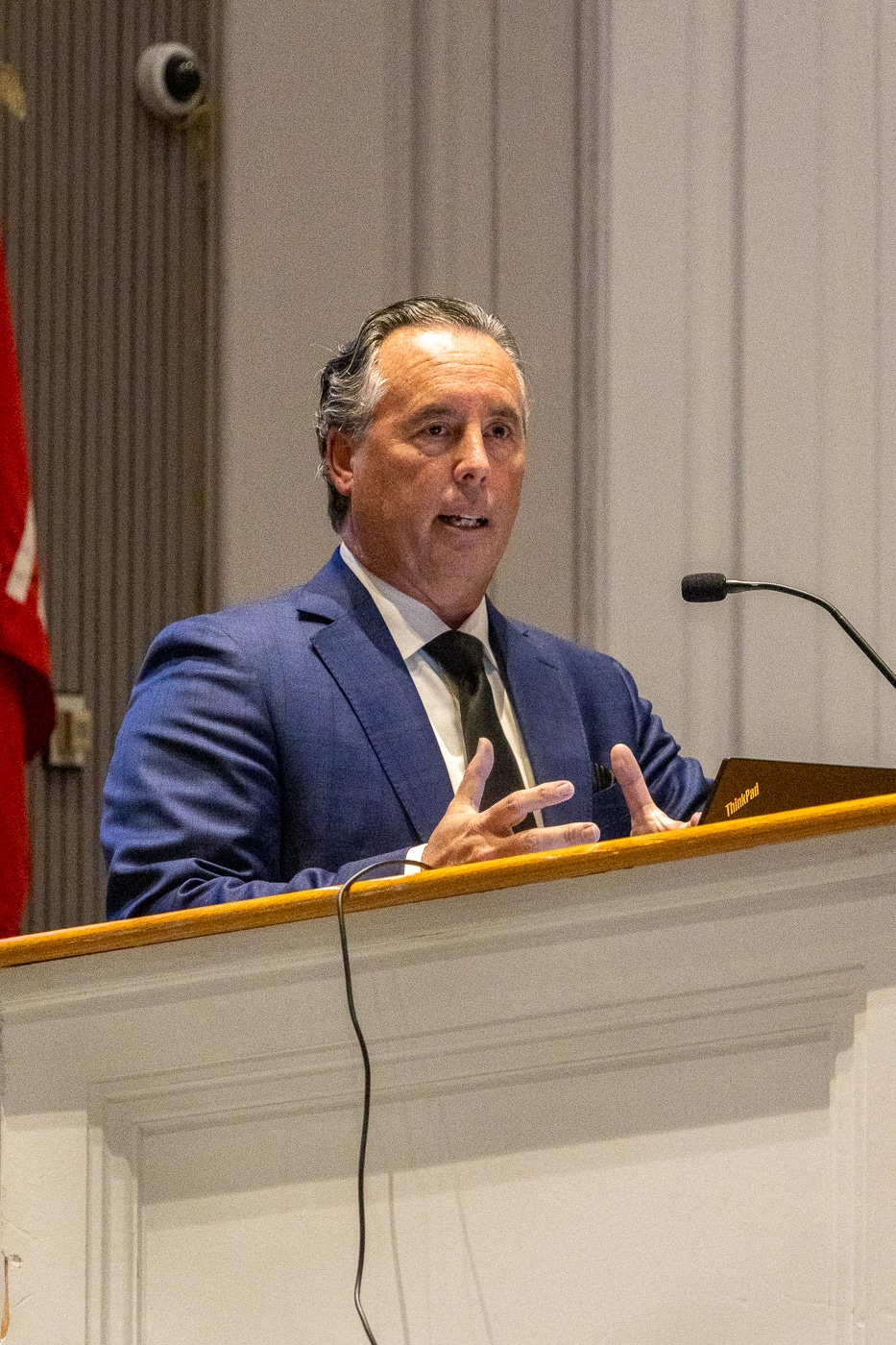
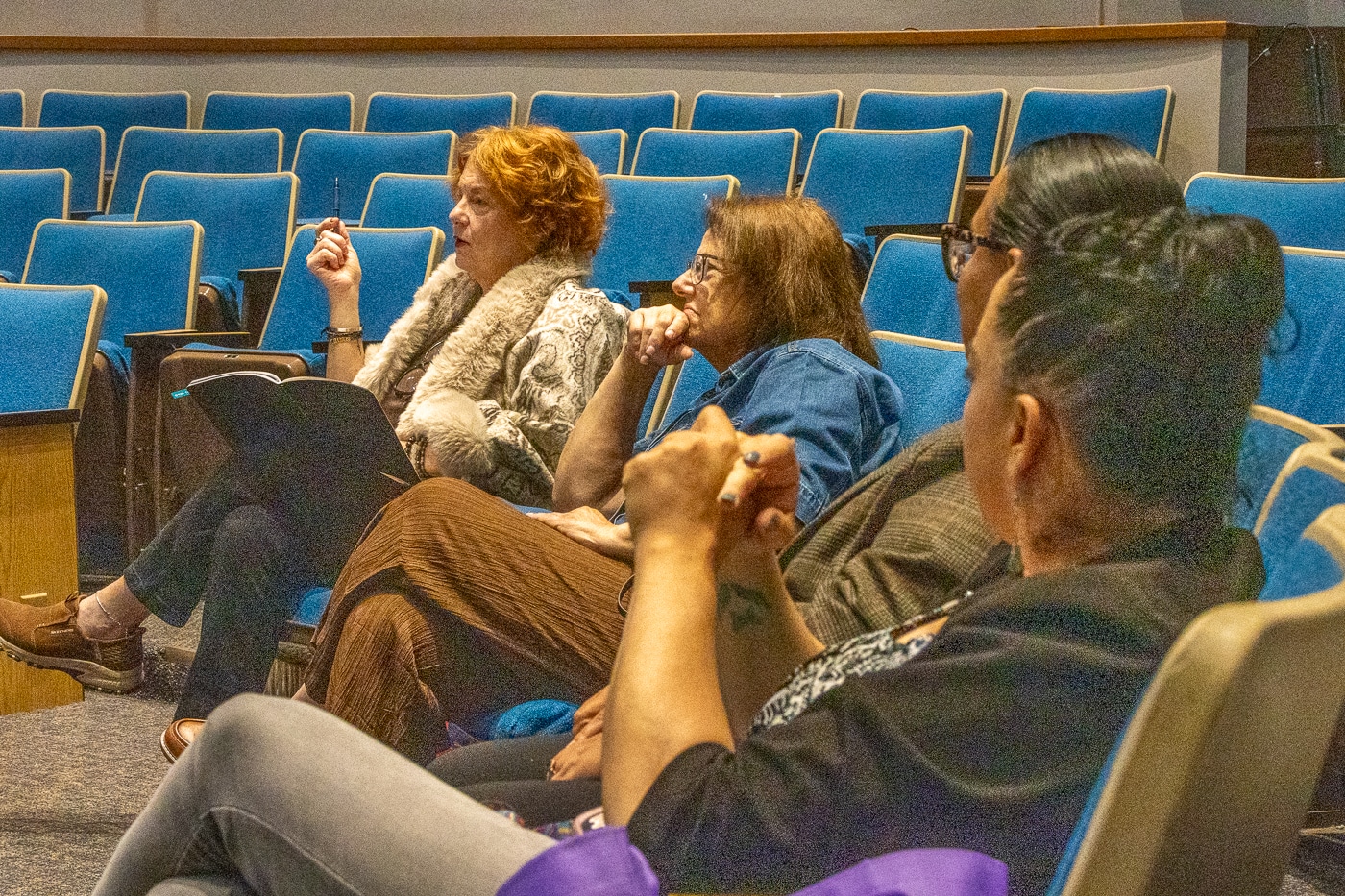
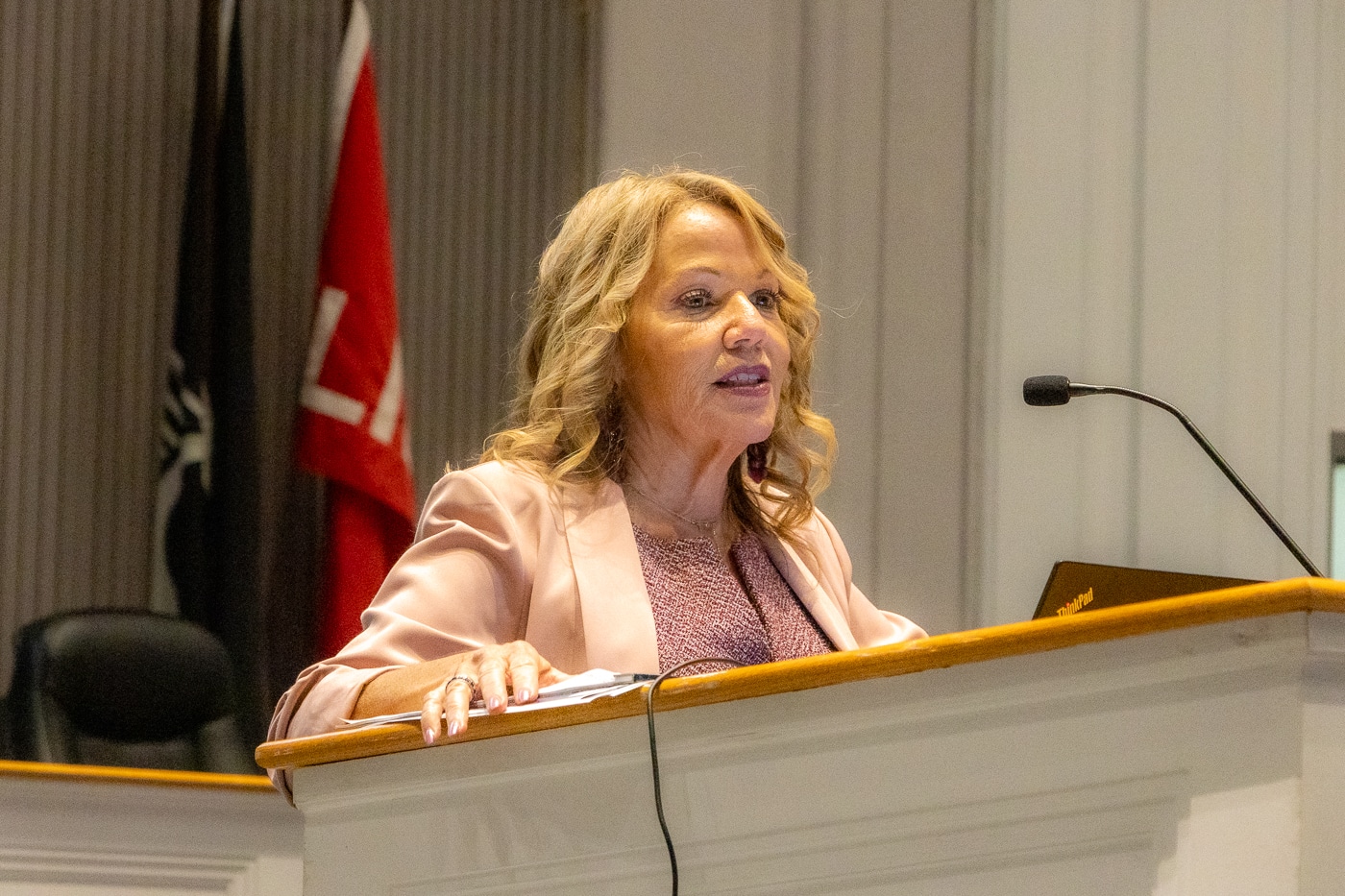
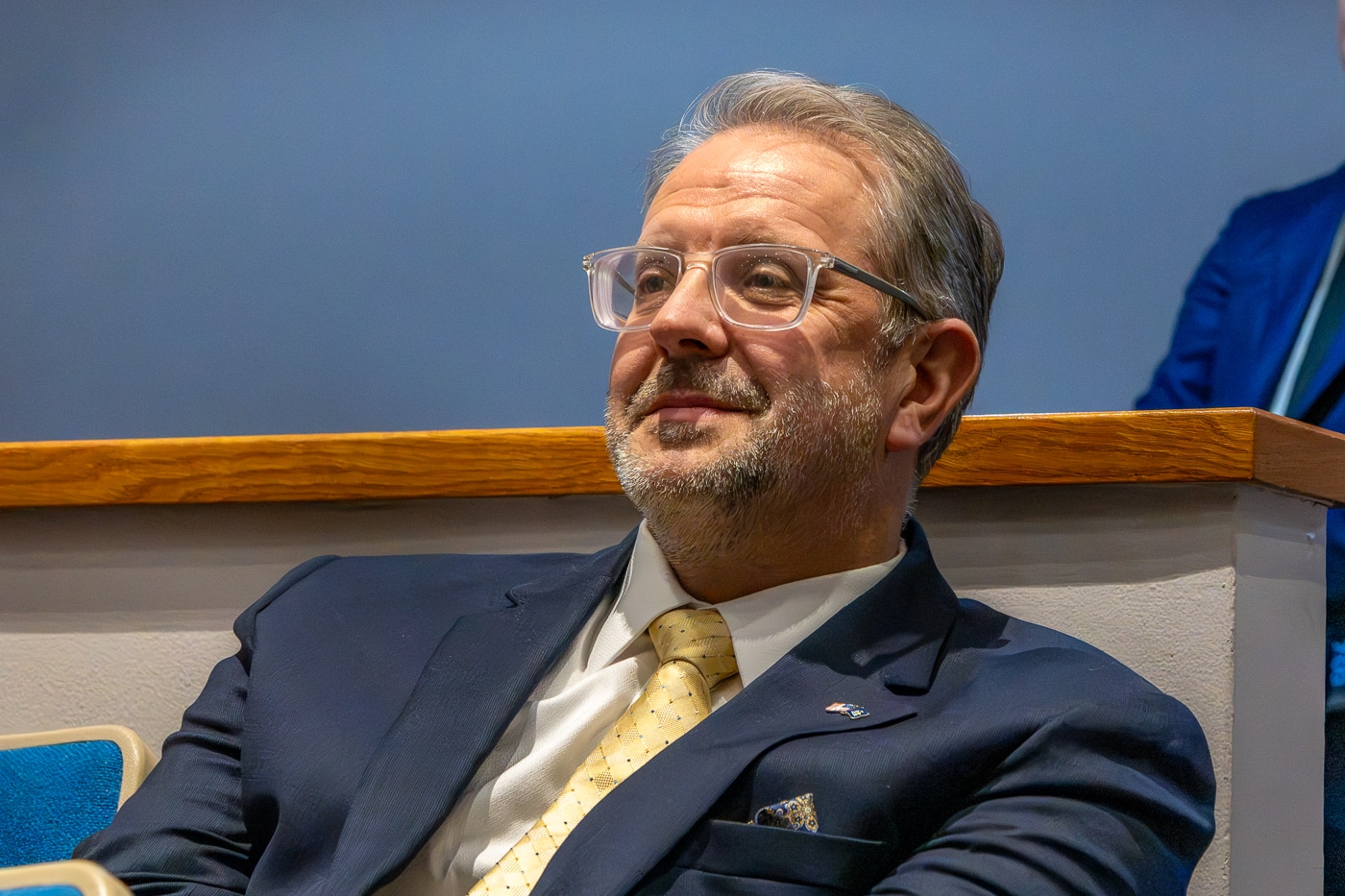
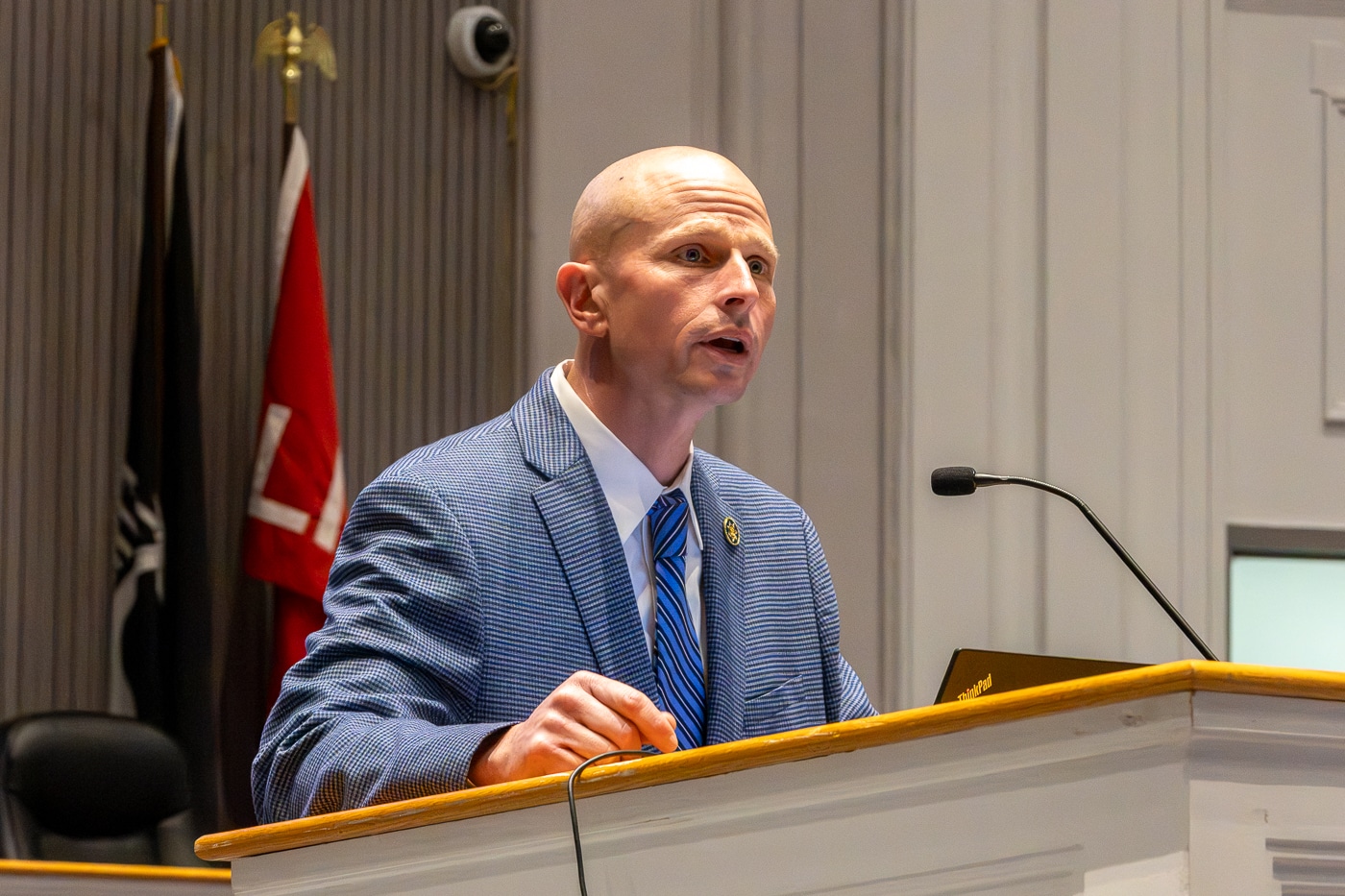
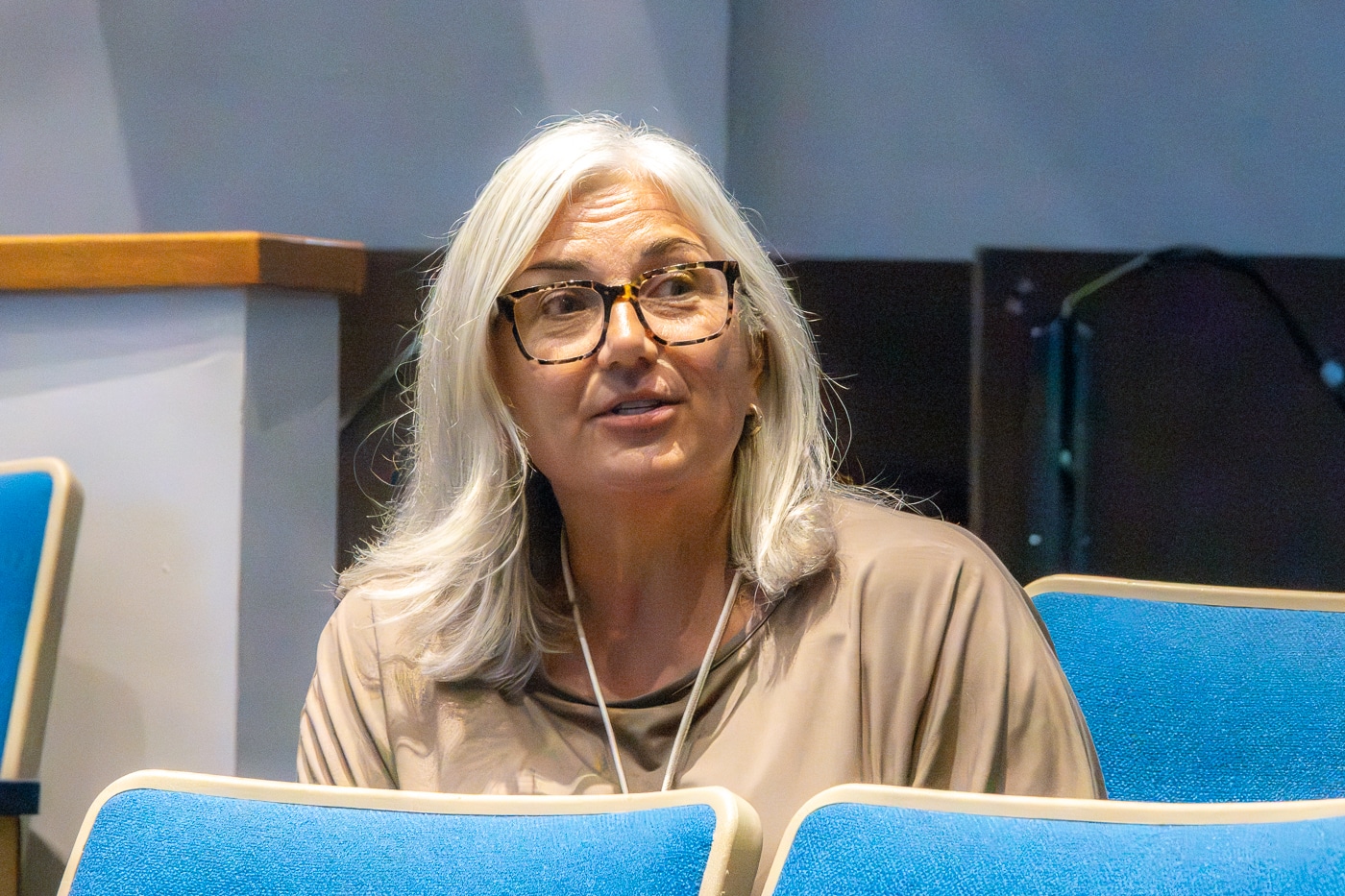
The “Beyond Awareness” community seminar, held Tuesday at Huntington Town Hall, was a partnership between Councilwoman Theresa Mari, the Town of Huntington and Northwell Health. Officials, healthcare professionals, law enforcement, advocates and residents gathered to discuss human trafficking on Long Island, where the vast majority of victims are homegrown.
“Human trafficking is one of the most misunderstood public health issues and social justice issues of our time, without a doubt,” Dr. Santosh Paulus, Senior Medical Director, Northwell Health Institute for Community Health and Wellness H.E.A.R.T for Human Trafficking Program, stated.
What Human Trafficking Actually Looks Like
Dr. Paulus explained, “It all starts with some kind of deception, some kind of a lie, promise of friendship, romance, some kind of a job offer.”
He pointed to the 2000 Palermo Protocol, which defines trafficking as the recruitment, transportation, transfer, harboring or receiving of a person through force, fraud or coercion for the purpose of exploitation. For practical application in medical and legal settings, Dr. Paulus uses what he called the “A.M.P. model” to break the definition into three parts:
- Action: Inducing, transporting, recruiting, harboring or obtaining a person.
- Means: Force, fraud or coercion.
- Purpose: Exploitation for sex or labor.
The stranger-in-a-van scenario accounts for “less than 0.5 percent of the time,” Dr. Paulus said. Traffickers are often people their victims already know, including family members, romantic partners, friends, acquaintances or caregivers. “Somebody’s profiting from another person’s vulnerability.”
Suffolk County is seeing particularly high levels of labor trafficking. “We found out that Suffolk County had twice the national average as far as calls for labor trafficking,” Dr. Paulus said, pointing to a significant and underreported problem often overshadowed by sex trafficking.
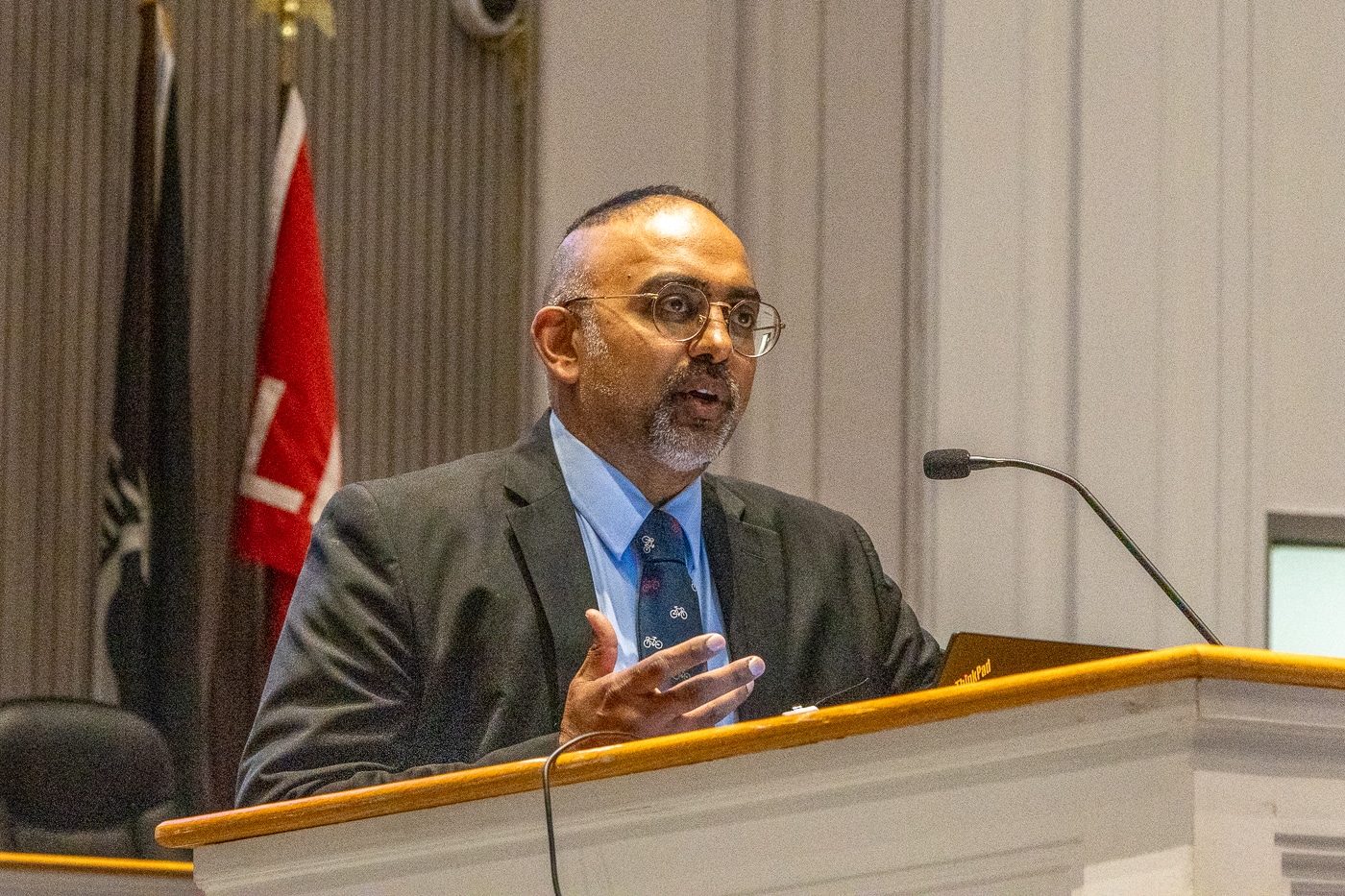
Watch the full “Beyond Awareness” seminar for detailed case overviews, additional examples, warning signs and far more information from law enforcement, survivors, healthcare professionals and advocates than we could include in this article.
A Town-Wide Strategy: From Legislation to Awareness
Huntington officials are employing a multi-pronged strategy to disrupt these illicit operations. Hon. Josh Price, the Town’s Chief Administrative Law Judge, detailed the efforts of his wife, Councilwoman Theresa Mari, the driving force behind the event. Fueled by her role as a court-appointed Attorney for Children, Councilwoman Mari has championed resolutions to target the public nuisance aspect of trafficking fronts.
“The reason why she’s focused on it isn’t necessarily the prostitution itself,” Price explained. “It’s that she believes, and studies have shown, that the women who are working in that establishment are in all likelihood doing so against their will.”
Councilwoman Mari detailed the Town’s aggressive new stance on illicit massage parlors, which often serve as fronts for prostitution and trafficking. “I’ve tried to make their fines high enough that it’s not ‘a cost to doing business,'” Councilwoman Mari explained. The initiative has yielded fines as high as $35,000 for one owner, with another paying $16,000 in a single afternoon.
The Town is now exploring a “shutter law” that would allow it to shut down massage parlors that are repeat offenders. “The landlord, then, who’s renting that space, if we can make him responsible, maybe they think twice about renting that space to someone else again like that,” Councilwoman Mari said.
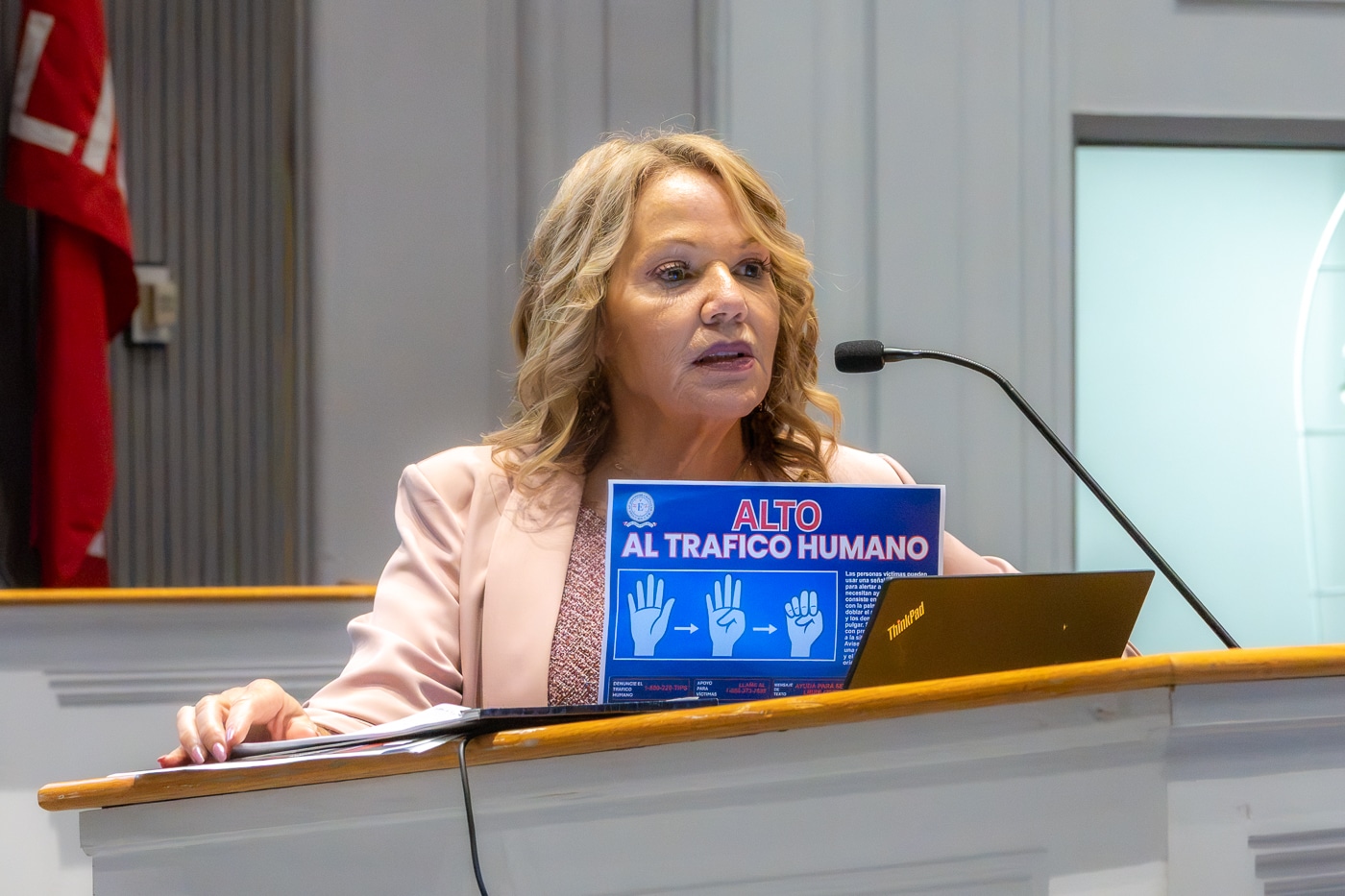
Detective Sergeant James “Jimmy” Johnson, Head of the Suffolk County Police Department’s Human Trafficking Investigation Unit, said police have already shut down several illicit operations in the Town of Huntington in recent months. “A lot of those businesses that are typically storefronts….they’re actually now moving to residential areas,” Johnson said, describing the use of fraudulent LLCs to rent houses and turn them into brothels.
A Collaborative Model: Law Enforcement and Community Partners Unite
Officials stressed that enforcement alone is not enough. Dismantling trafficking rings and rebuilding lives requires collaboration between law enforcement and community organizations.
Detective Sergeant Johnson detailed the landmark case of Andy Frey, a violent predator convicted of federal sex trafficking. Frey preyed on vulnerable women, luring them to remote locations, drugging them and filming the assaults. The case began not with a police report, but when victims confided in community partners within the Suffolk County Anti-Trafficking Initiative (SCATI).
“We would have never even gotten the opportunity to investigate this particular crime had it not been for this enhanced collaboration model,” Johnson stated. The case marked one of the first times a “John,” or client of commercial sex, was successfully prosecuted as a trafficker under federal law.
Investigative Sergeant Tom Miller of the Suffolk County Sheriff’s Office shared another case involving trafficker Jonathan Wright, who was sentenced to 32 to 40 years in prison after being caught on recorded jail phone calls instructing a woman to sell herself for his benefit. “It truly does take a village,” Miller said, explaining how his unit worked with the Suffolk County Police Department and victim services groups like ECLI-VIBES to build the case and support the survivors.
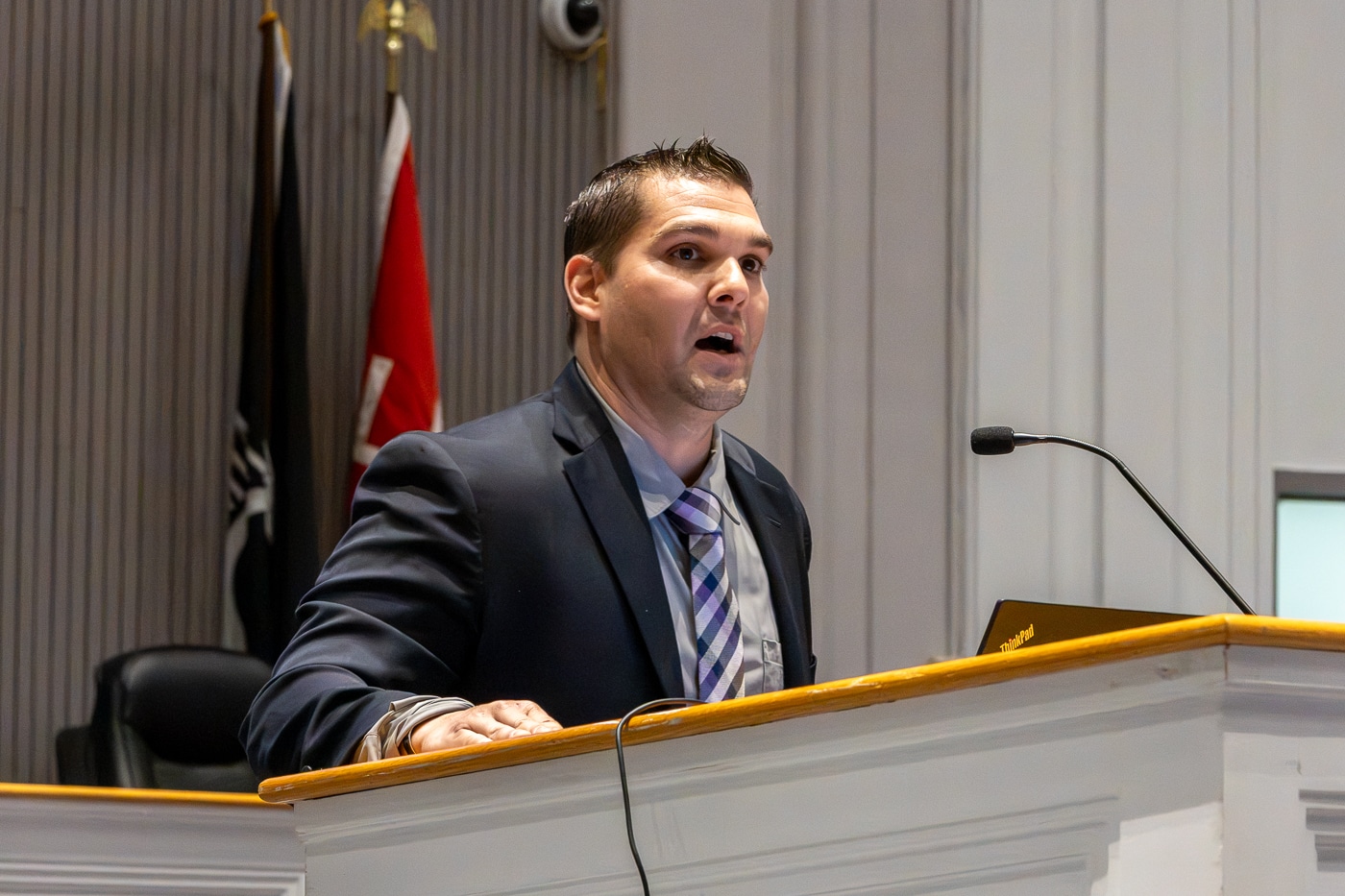
“Once we get our conviction, the story doesn’t end,” Miller affirmed. “She is currently employed. She has a car, an apartment, and is a complete success story.”
The Power of Survivor Voices and Innovative Training
The “village” approach is guided by the lived experiences of survivors. Laura Mullen, a Huntington native and President of the ECLI-VIBES Survivors Advisory Board, shared her own harrowing journey from exploitation to empowerment. Mullen said her past was “ingrained in my life,” explaining, “I didn’t know that it was wrong when my brother sold me at twelve years old. I thought that that’s what I was here to do.” Her involvement with ECLI-VIBES became a critical turning point. “This model is working. We know that it’s working because I’m still here.”
Mullen now helps trafficking victims and collaborates with the same Probation Officer who once supervised her, drawing on her own experience to reach people who may not yet recognize that another life is possible. “I was able to step in and be that kind of person to be able to talk to these individuals to tell them that it doesn’t have to last forever.” Pasted markdown
Northwell Health’s HEART (Human Trafficking Education, Advocacy, Response, and Training) program, which Dr. Santosh Paulus began at Huntington Hospital in 2017, is now a system-wide initiative. Presenters revealed they use clips from medical dramas like HBO’s “The Pitt” to train clinicians at the Zucker School of Medicine to spot red flags, a method designed to sharpen diagnostic skills. A 2014 study found that up to 88 percent of trafficking victims had sought medical care but were not identified. A survivor named Jasmine Grace was quoted: “Not one time was I ever asked, ‘Was I okay?’ Most of the times, the Doc wouldn’t even turn around and look at me.”
The Role of Advocacy and Systemic Education
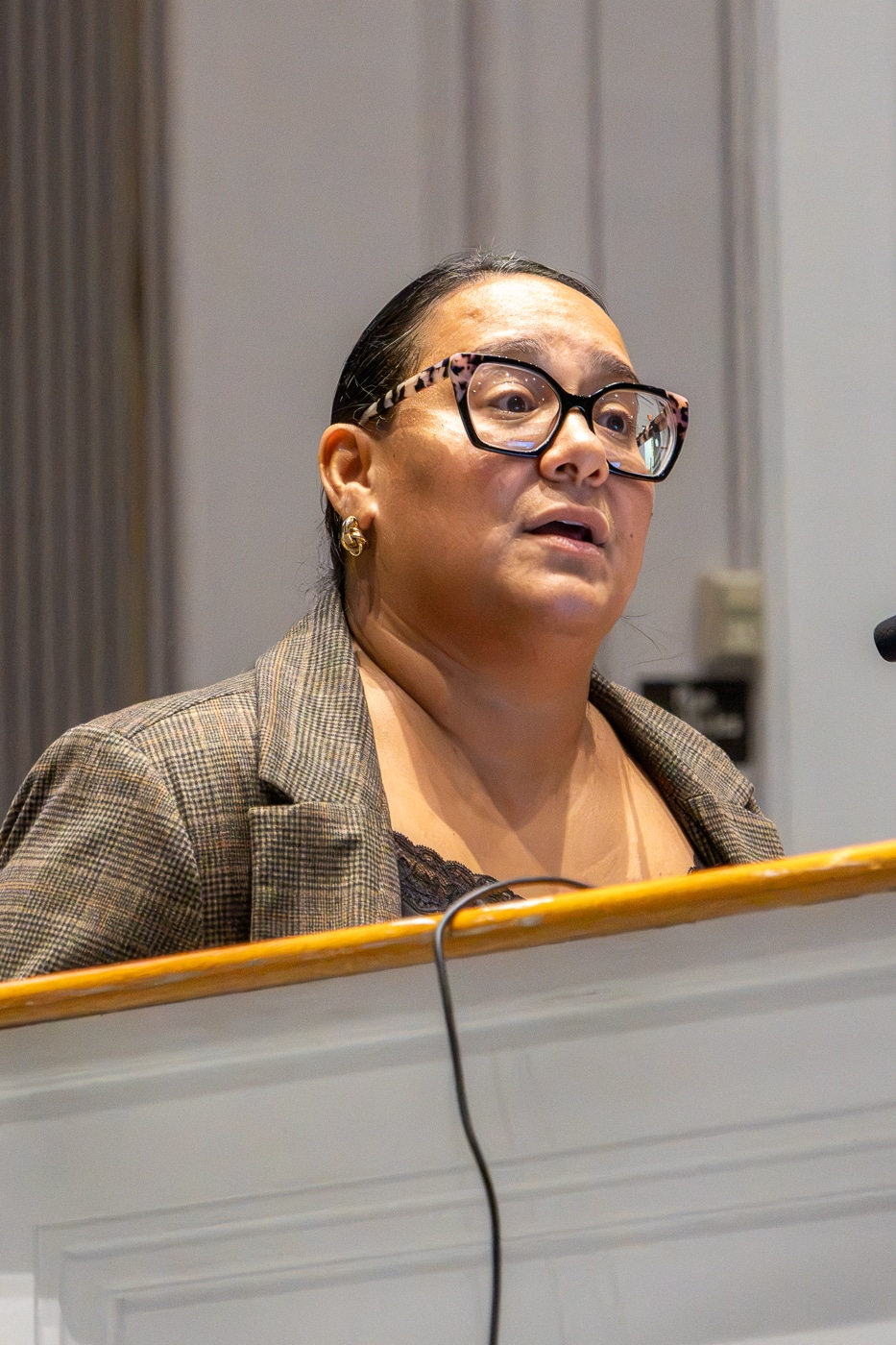
Feride “Fede” Castillo, Co-Founder and Director of ECLI-VIBES and Director of the Suffolk County Anti-Trafficking Initiative (SCATI), emphasized that systemic change is driven by the lived experiences of survivors. “Their voice matters. Their stories are what impacts people, and it also is what causes the change.”
Education within school districts is one component of that effort. “Brentwood School District is actually one of its kind. It created a very innovative program just for Trafficking,” Castillo said. The program trains Administrators and Teachers in trauma-informed prevention and helps school leaders recognize early signs of exploitation among young people. Castillo urged other Long Island school districts to adopt the model.
Knowing the signs is especially important because the people at risk are part of our own communities. Detective Sergeant Johnson said roughly 90 percent of trafficking victims on Long Island are “homegrown.” Those vulnerabilities are not limited to one type of family or one kind of neighborhood. Castillo described housing instability, substance use and mental health challenges as part of a “perfect cocktail” traffickers can exploit.
Exploitation can begin within relationships that appear ordinary from the outside. A child at school, a friend of your child or someone already within a family’s circle can be vulnerable without the people around them realizing what is happening. Castillo also pointed to the other side of the cycle: 98 percent of traffickers, she said, were raised in volatile, violent homes where there was significant abuse. “We have to do the prevention work so that someone doesn’t fall to be a victim, then we have to do the prevention work so people don’t become abusers and then perpetrators of these crimes,” Castillo said.
A Call to Action: “If You See Something, Say Something”
“If a town has more than twenty thousand individuals, you can assume that human trafficking is occurring in that town,” Dr. Santosh Paulus said. For residents who recognize warning signs or suspect someone may be at risk, the speakers stressed that helping does not mean confronting the suspected trafficker or approaching the potential victim yourself. Doing so can put that person in greater danger with their abuser.
Instead, concerns should be turned over to professionals who can investigate safely. Tips can be submitted confidentially and anonymously to Suffolk County Crime Stoppers at 1-800-220-TIPS or online at www.P3TIPS.com or the ECLI-VIBES 24-hour Hopeline at 631-360-3606. The message from those working directly with victims was clear: learn the signs, pay attention to the people around you and call in a tip when something doesn’t seem right.
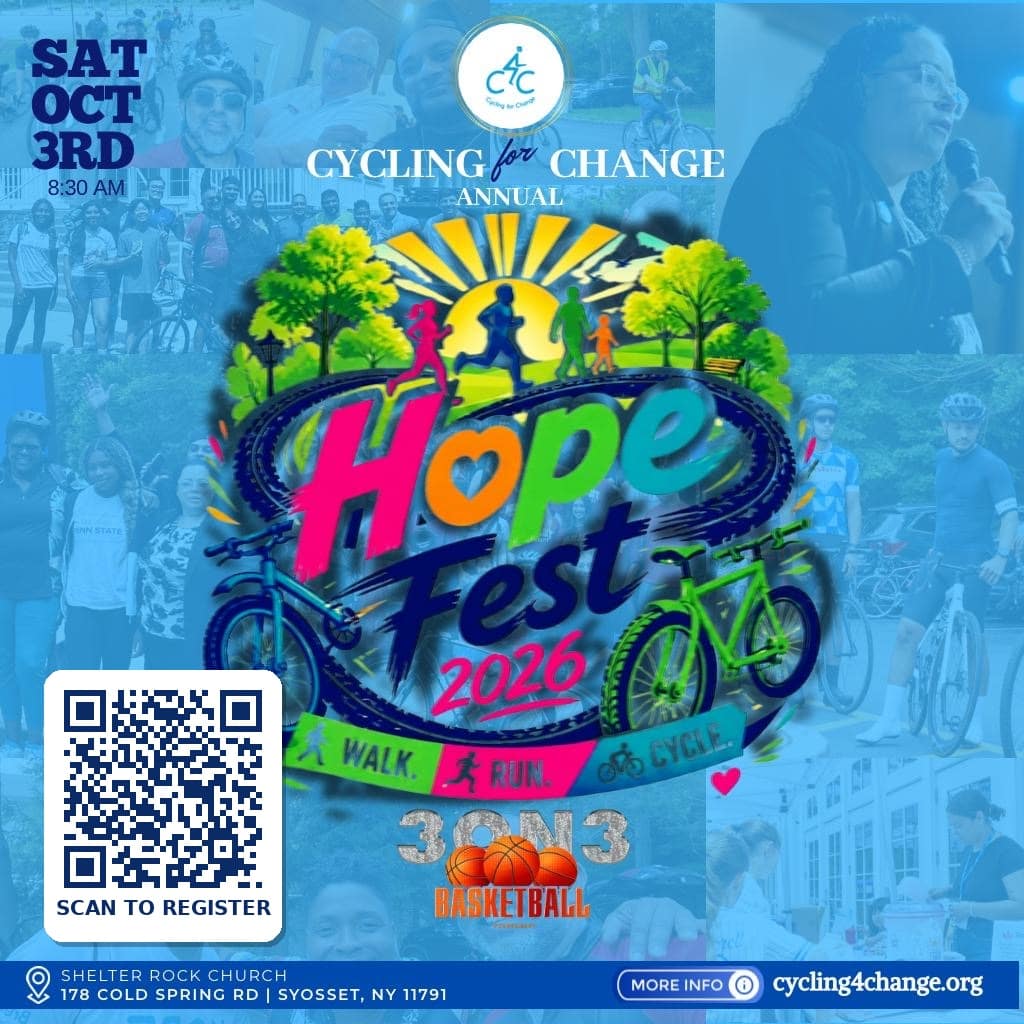
For residents who want to learn more and support the effort, Dr. Santosh Paulus, Co-Founder of Cycling for Change, invited the community to the organization’s event on Saturday, October 3, in Syosset to raise awareness and funds.
Feride “Fede” Castillo, Co-Founder and Director of ECLI-VIBES and Director of SCATI, urged residents to “become a part of what we’ve already been building for so long.”